
Golden Retriever Itching at Night? Causes + What Actually Works
GoldenRetriever.hair
By GoldenRetriever.hair
If your Golden Retriever is itching at night, scratching more at bedtime, or licking and chewing paws overnight, you’re not imagining it. Nighttime itching is often more noticeable because your dog is finally resting and the usual daytime distractions are gone—so mild irritation can turn into persistent scratching.
If your Golden seems fine during the day but starts scratching, licking, or chewing as soon as they settle down at night, that pattern is not random — and it often points to a specific underlying trigger.
But a Golden Retriever scratching at night can also point to real underlying causes like environmental allergies, fleas or other parasites, dry skin, yeast or bacterial skin infections, hot spots, or ear irritation that flares when the house quiets down. This guide is educational—not a diagnosis—and it’s designed to help you narrow down likely causes, try evidence-based home steps, and recognize when it’s time for a veterinary exam.
Quick Answer: Why Is My Golden Retriever Itchy at Night?
Most commonly, Golden Retriever itching at night happens because:
- 🐾Allergens and irritants (pollen, dust, grasses) are on the coat and paws after the day’s walks.
- 🐾Inflamed skin itches more when the dog is warm and settled.
- 🐾Fleas bite more actively in the evening/night and a single flea can trigger major itching in sensitive dogs.
- 🐾Yeast/bacterial overgrowth or a developing hot spot creates itch + moisture + odor that tends to worsen at rest.
- 🐾Ear irritation can cause head shaking and scratching that’s more obvious at bedtime.
If itching is persistent (days to weeks), paired with odor, redness, hair loss, scabs, oozing, bleeding, or recurrent ear problems, the most efficient next step is usually a vet visit to identify the cause and treat it directly.
If you’re asking, why is my golden retriever itchy at night, the answer is usually one of a few common causes: allergies, skin irritation, parasites, infection, or ear discomfort.
Table of Contents
- 🐾Why Golden Retrievers Seem Itchier at Night
- 🐾Most Common Causes of Nighttime Itching in Golden Retrievers
- 🐾Why Paw Licking Often Gets Worse at Night
- 🐾Signs It May Be Allergies vs Infection vs Parasites
- 🐾How to Stop Your Golden Retriever from Scratching at Night
- 🐾What Actually Helps
- 🐾When to See a Veterinarian
- 🐾FAQ
- 🐾Conclusion
Why Golden Retrievers Seem Itchier at Night
Nighttime is when a dog’s body and environment change in small but important ways:
- 🐾Less distraction: your Golden notices every itch when there’s no play, training, or walking to focus on.
- 🐾Warmth and friction: lying on bedding can warm the skin and increase rubbing on irritated areas.
- 🐾“Accumulated exposure”: allergens picked up during the day (grass, dust, pollen) sit on paws and coat until bedtime.
- 🐾Repetitive licking cycle: once licking starts, moisture and irritation can feed the urge to keep going.
That’s why “itchier at night” doesn’t automatically mean the problem started at night—it often means the itch becomes impossible to ignore.
Most Common Causes of Nighttime Itching in Golden Retrievers
This section focuses on the most common, practical causes behind Golden Retriever scratching at night and Golden Retriever licking paws at night.
Environmental allergies
Environmental allergies (atopy) are a top cause of Golden Retriever itchy skin. They often show up as:
- 🐾Paw licking/chewing
- 🐾Belly, armpit, or groin irritation
- 🐾Recurrent ear symptoms
- 🐾Seasonal flares (spring/summer/fall), or year-round signs (dust mites, indoor triggers)
If this pattern fits, use our Golden Retriever allergies guide for a deeper breakdown of diagnosis and long-term management.
Food allergies or sensitivities
True food allergies are less common than environmental allergies, but they can contribute—especially when you see:
- 🐾Chronic itching without a strong seasonal pattern
- 🐾GI signs (soft stool, diarrhea) in some dogs
- 🐾Ear problems alongside skin symptoms
Food issues usually require a structured vet-guided diet trial. If you’re trying to separate triggers, review our Golden Retriever Nutrition Guide, use the broader Golden Retriever skin problems guide for context, and discuss next steps with your veterinarian.
Fleas or other parasites
Fleas are a “small cause, big symptoms” issue:
- 🐾Some dogs react strongly (flea allergy dermatitis).
- 🐾Fleas are hard to find in thick Golden coats.
- 🐾Itching may spike in the evening when dogs settle and fleas are more active.
Even indoor dogs can be exposed. If itching is sudden or intense, make sure your dog is on consistent flea prevention and check for flea dirt (black specks that smear red when wet).
Dry skin and seasonal dryness
Dry indoor air, winter weather, and overbathing can cause:
- 🐾Flaking/dandruff
- 🐾Itchy “tight” skin
- 🐾More scratching at rest
Dryness is often a contributor rather than the only cause. It’s still worth addressing—especially if you notice flakes, static, or rough patches.
Yeast or bacterial skin infections
When skin is inflamed (often from allergies), yeast and bacteria can overgrow. Common clues include:
- 🐾Odor (musty/“corn chips” smell for yeast)
- 🐾Greasy skin, redness, thickened skin
- 🐾Worsening itch at night/rest
- 🐾Recurrent ear issues
These often need veterinary confirmation and targeted treatment. Home steps alone usually won’t fully fix an active infection.
Hot spots
Hot spots can develop quickly—especially after swimming, bathing, or heavy itching. They are:
- 🐾Red, moist, painful lesions
- 🐾Often hidden under thick fur
- 🐾Rapidly worsening if licking continues
If you suspect one, see our Golden Retriever hot spots guide for what to do and when to see a vet.
Ear irritation causing nighttime scratching
Ear discomfort can look like “skin itching” at night:
- 🐾Scratching at one ear
- 🐾Head shaking
- 🐾Rubbing the face on bedding
- 🐾Odor or discharge from the ear canal
If your Golden Retriever is also scratching their ears constantly or shaking their head, this may point more strongly toward ear-related issues — see our guide on Golden Retriever scratching ears constantly.
Use our Golden Retriever ear cleaning guide for safe maintenance. Recurrent ear issues can also be related to allergies or infection—see Golden Retriever ear infections for signs and next steps.
If your Golden’s nighttime scratching seems focused on the ears, a gentle dog-safe ear cleaner can help with routine maintenance and wax/debris buildup—but it should not replace veterinary treatment when there is pain, strong odor, discharge, or repeated infection.
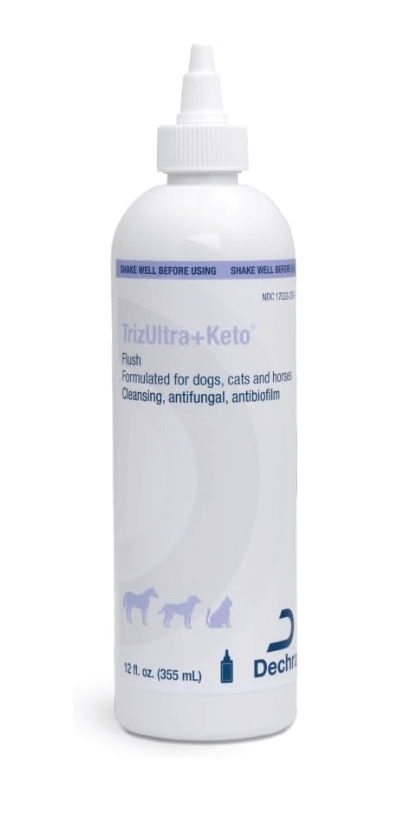
TrizULTRA + Keto Flush for Dogs, Cats & Horses
Gentle ear flush that helps clean debris, control yeast and bacteria, and support healthy ears in Golden Retrievers prone to irritation or recurrent ear issues.
Boredom, anxiety, or restlessness (secondary cause)
Behavior can amplify itch, but it’s rarely the first assumption. Consider this more strongly when:
- 🐾Skin looks normal (no redness, odor, lesions)
- 🐾Itching happens mostly in one context (bedtime) and not throughout the day
- 🐾Your Golden is under-stimulated, stressed, or has disrupted routine
Even then, it’s smart to rule out medical causes first—especially if symptoms are new.
Why Paw Licking Often Gets Worse at Night
Paws are ground contact points, so they collect irritants:
- 🐾Grass, pollen, dust, fertilizers, salts/chemicals
- 🐾Moisture between toes (especially after wet walks)
- 🐾Tiny abrasions or interdigital irritation
Once your dog starts licking, saliva keeps the area damp—which can worsen irritation and create a cycle. If your Golden is focused on paws at night, also check for:
- 🐾Redness between toes
- 🐾Hair staining
- 🐾Odor
- 🐾Limping or sensitivity when you touch a paw
For paw-specific care steps, see our Golden Retriever paw care guide.
Signs It May Be Allergies vs Infection vs Parasites
Use these patterns as clues—not as a diagnosis:
More likely allergies
- 🐾Seasonal pattern or flares after outdoor exposure
- 🐾Paw licking + recurrent ear symptoms
- 🐾Redness/itch without strong odor early on
More likely infection (yeast/bacteria)
- 🐾Strong odor
- 🐾Greasy skin, moist areas, thickened skin
- 🐾Worsening itch despite basic bathing/wiping
- 🐾Recurrent ear infections or discharge
More likely parasites
- 🐾Sudden onset intense itching
- 🐾Chewing at tail base/rear end (often fleas)
- 🐾Visible flea dirt or exposure to other pets/areas
If you’re unsure, that’s a strong sign to involve your veterinarian—targeted treatment is much faster than guessing.
How to Stop Your Golden Retriever from Scratching at Night
These steps are supportive first moves you can take tonight. They can reduce exposure to common triggers and help prevent the itch-scratch cycle from escalating, but they don’t replace a veterinary exam when symptoms are persistent or severe.
- 🐾Wipe and dry paws after the last walk.
- 🐾Check for obvious redness, fleas/flea dirt, odor, or hot spots.
- 🐾Wash or replace bedding if it’s due.
- 🐾Keep the sleeping area clean and cool.
- 🐾Prevent licking if your dog is breaking skin (an e-collar can be helpful).
- 🐾Contact a veterinarian if itching is intense, persistent, or associated with sores, odor, or ear symptoms.
What Actually Helps
These steps are practical, low-risk, and often helpful for Golden Retriever itching at night—especially while you’re arranging veterinary care or waiting for an appointment.
Wipe paws after walks
- 🐾Use unscented pet wipes or a damp cloth.
- 🐾Focus between toes and paw pads.
- 🐾Dry paws well—moisture feeds irritation and yeast.
Bathe with a gentle dog-safe shampoo when appropriate
If your dog has picked up allergens/irritants or has mild itch without open sores, a gentle bath can help remove triggers from the coat. Overbathing or harsh shampoos can worsen dryness and irritation, so keep it reasonable and choose a low-residue option.
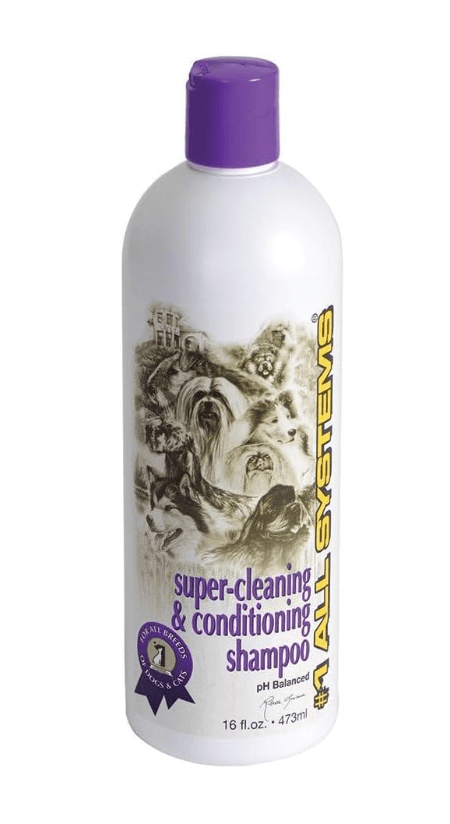
#1 All Systems Super Cleaning and Conditioning Pet Shampoo
Extra-gentle, low sudsing formula – completely rinses out leaving no residue.
For product comparisons and bathing do’s/don’ts, see our Golden Retriever bathing guide and best shampoo for Golden Retrievers.
Diet can also influence skin and coat health over time, so if symptoms are chronic or recurring, review our Golden Retriever Nutrition Guide and discuss food-related triggers with your veterinarian.
Keep bedding clean
Night itching is often “bedding time,” so reduce friction and allergens:
- 🐾Wash bedding regularly with fragrance-free detergent.
- 🐾Vacuum the sleeping area (dust mites and dander accumulate).
- 🐾Consider a second set of bedding so you can rotate and wash more easily.
Dry the coat fully after swimming/bathing
Moisture trapped under a Golden’s coat is a major trigger for itching, yeast overgrowth, and hot spots:
- 🐾Towel thoroughly.
- 🐾Pay attention to feathering, undercoat, and skin folds.
- 🐾Consider a blow dryer on low heat if your dog tolerates it.
Flea prevention (even if you don’t see fleas)
If your dog is not on consistent prevention and itching is significant, this is a high-yield fix. Fleas are easy to miss, and reactions can be out of proportion to what you see.
Humidity and dry-air considerations
If your home is very dry (often in winter), a humidifier can reduce skin dryness and static. Dry air won’t cause every itch, but it can make mild irritation feel much worse—especially at night.
Vet-prescribed treatment when needed
If the cause is allergic inflammation, yeast, bacteria, or ear infection, the “what actually helps” is often targeted veterinary treatment (topicals, ear meds, anti-itch meds, antibiotics/antifungals when indicated). The goal is to stop the itch-scratch cycle and treat the underlying driver.
When to See a Veterinarian
Seek a veterinary exam if any of the following are true:
- 🐾Itching persists beyond a few days or keeps returning.
- 🐾You notice odor, greasy skin, or recurrent ear discharge.
- 🐾There are open sores, scabs, oozing, bleeding, or hair loss.
- 🐾Your Golden can’t sleep because of constant scratching.
- 🐾There’s head shaking, ear pain, or frequent ear scratching (see Golden Retriever ear infections).
- 🐾You suspect parasites, but you can’t control itching with prevention.
Older dogs can develop new skin/ear issues and may have mobility pain that changes sleep behavior. If your Golden is senior, also review our Golden Retriever senior care guide for broader comfort and health monitoring.
FAQ
Why is my Golden Retriever itchier at night?
Nighttime itching is often more noticeable because your dog is resting and distractions are gone. Many Goldens also have allergens on paws and coat from the day, and warmth/friction from bedding can amplify itchy skin.
Why does my Golden Retriever lick his paws more at bedtime?
Paws collect irritants (grass, pollen, dust, salts/chemicals). Licking can become a habit at rest, and moisture between toes can worsen irritation. If there’s redness, odor, or frequent licking, review paw care steps in our Golden Retriever paw care guide and consider a vet exam.
Is nighttime itching always allergies?
No. Allergies are common, but parasites (fleas), dry skin, ear irritation, yeast/bacterial infections, or developing hot spots can also drive golden retriever scratching at night. Look for odor, lesions, flea dirt, and ear symptoms.
What can I do tonight to help my itchy Golden Retriever?
Try a simple, low-risk reset:
- 🐾Wipe and dry paws after the last outing.
- 🐾Check for obvious redness, hot spots, or fleas/flea dirt.
- 🐾Wash/replace bedding if it’s due.
- 🐾If your dog is damp (swim/bath), dry thoroughly.
If your dog is chewing intensely or breaking skin, use an e-collar and contact your veterinarian.
When should I worry about nighttime scratching?
Worry more (and seek care sooner) if itching is severe, persistent, or paired with odor, sores, hair loss, bleeding, ear discharge, or visible discomfort. Those signs often mean infection, parasites, or a problem that needs targeted treatment.
Conclusion
Golden Retriever itching at night can be as simple as allergens on paws and coat after a long day—or it can be a sign of allergies, parasites, infection, hot spots, or ear irritation that needs medical treatment. Use practical steps like paw wiping, gentle bathing when appropriate, clean bedding, and thorough drying to reduce triggers, but don’t delay a veterinary exam when you see persistent itch, odor, sores, or recurrent ear issues.
For deeper related guides, see our Golden Retriever skin problems guide, Golden Retriever allergies guide, hot spots guide, and ear cleaning guide.
P.S. Get the free Golden Retriever Owner Cheat Sheet — daily feeding, sleep, and care in one printable guide.
Get the Cheat Sheet when you join the newsletter — instant access in your welcome email.