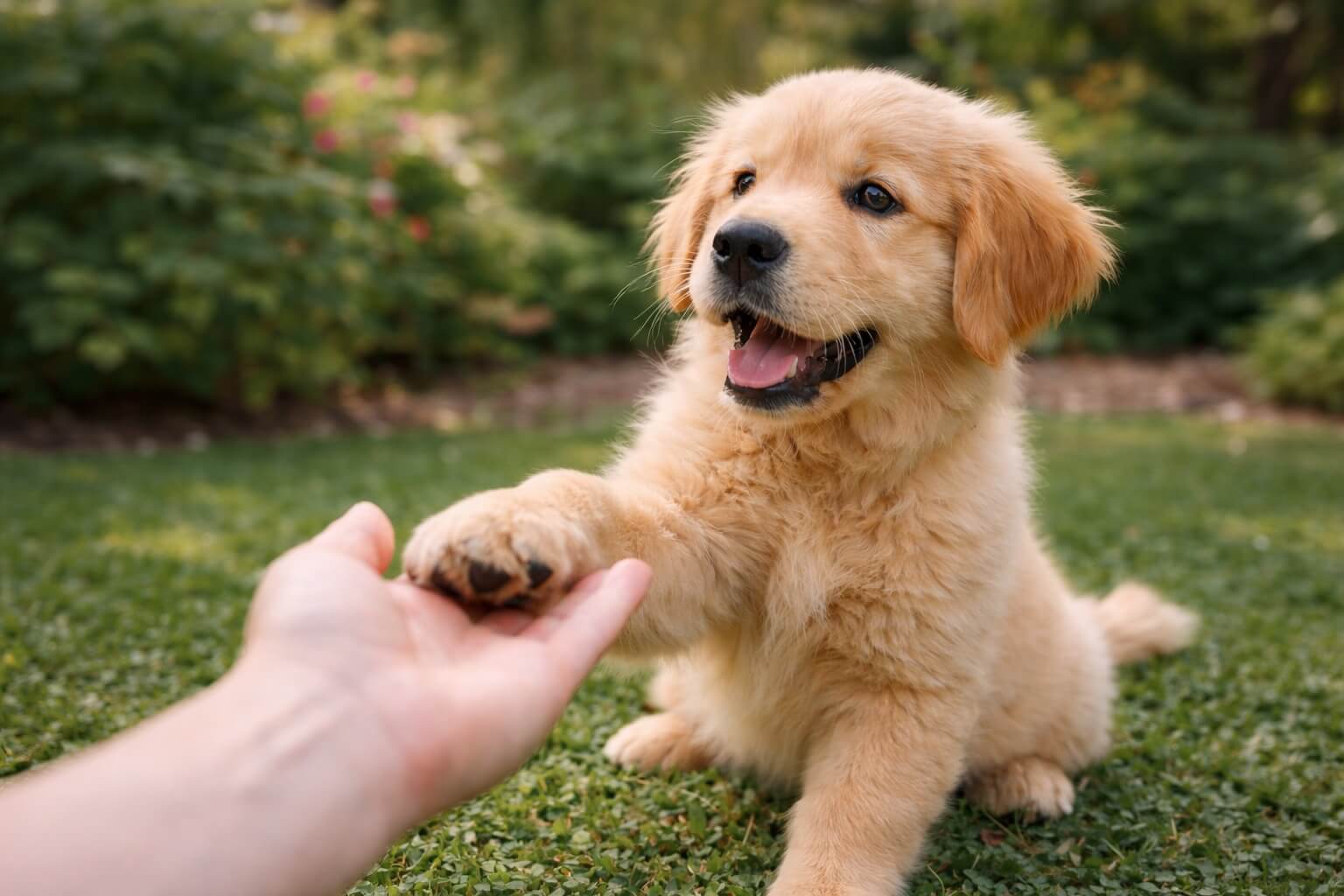
Golden Retriever Paw Care Guide: Keep Your Dog’s Paws Healthy in Every Season
GoldenRetriever.hair
By GoldenRetriever.hair
Golden Retrievers do everything with their paws — running, swimming, hiking, playing fetch, navigating slippery floors. Healthy paws are essential for comfort and mobility, but they’re easy to overlook until there’s a limp, a crack, or a raw, licked patch between the toes. This Golden Retriever paw care guide explains how to care for Golden Retriever paws, what common paw problems look like, how seasonal conditions affect paw health, and how to build a simple paw maintenance routine that fits into your grooming schedule.
Quick Answer: How Do You Care for a Golden Retriever’s Paws?
Golden Retriever paw care starts with regular inspection and gentle cleaning. Check paws daily after walks for debris, cuts, or irritation. Wipe paws with a damp cloth to remove dirt, salt, or chemicals. Trim fur between paw pads when it grows long enough to trap debris or cause slipping, and keep nails trimmed every 2–4 weeks so the dog walks correctly. In summer, avoid hot pavement; in winter, protect against ice and road salt with rinsing, paw balm, or booties. See your vet for persistent limping, deep cracks, bleeding, or signs of infection (swelling, pus, foul odor). For the full grooming routine, see our Golden Retriever grooming guide and grooming schedule.
Why Paw Care Is Important for Golden Retrievers
Active Lifestyle and Outdoor Exposure
Golden Retrievers are active dogs. They run on pavement, trails, grass, gravel, snow, and sand. Each surface has its own risks: abrasion, heat, cold, chemicals, and debris. Unchecked minor issues — a small cut, a bit of glass, a salt burn — can quickly become painful paw problems.
Role of Paw Pads in Movement and Protection
Paw pads act like shock absorbers and traction pads. They protect joints from impact and provide grip on different surfaces. Cracked dog paw pads or injured pads make every step uncomfortable. Over time, altered gait from sore paws can strain joints and muscles — a real concern for a breed already predisposed to orthopedic issues.
Takeaway: Healthy paws support healthy movement. Golden Retriever paw health is not cosmetic — it’s core to comfort, performance, and long-term mobility.
Common Golden Retriever Paw Problems
Cracked Paw Pads
Dry, rough, or cracked paw pads are common, especially in extreme weather or with frequent pavement or trail running. Mild dryness looks rough but doesn’t bother the dog. Deep cracks, bleeding, or limping mean the pad is painful and needs attention.
Cuts or Abrasions
Glass, sharp rocks, metal, or even ice can cause cuts or scrapes. You may see:
- 🐾Blood or clear fluid
- 🐾Reluctance to bear weight
- 🐾Licking a specific foot or toe
Small surface abrasions may heal with gentle cleaning and rest; deeper cuts often need a vet.
Debris Trapped Between Pads
Grass awns, burrs, small stones, or sticks can lodge between the toes or in the fur between paw pads. Goldens with longer paw fur are especially prone. Signs include persistent licking at the same foot, limping, or sudden discomfort after a walk.
Irritation From Salt or Chemicals
Road salt, de-icers, lawn chemicals, and cleaning products can irritate or burn paw pads and skin between toes. You might see redness, licking, or a dog that suddenly refuses to walk on a particular surface.
Excessive Licking
Some Goldens lick their paws out of boredom, anxiety, or because of allergies or pain. Constant dog licking of a red spot can create secondary problems like infections or even hot spots. If paw licking is frequent or focused, it’s a sign to investigate — see our Golden Retriever skin allergies guide and hot spots guide.
How to Check Your Golden Retriever’s Paws
Regular Inspection Routine
Make paw checks part of your daily or post-walk routine. It takes 1–2 minutes:
- 🐾Lift each paw gently and look at the pads.
- 🐾Spread the toes to inspect between pads and between toes.
- 🐾Check the nails and dewclaws for length, cracks, or damage.
- 🐾Feel for heat or swelling compared to other paws.
Turn it into a positive habit with praise and treats so your dog is relaxed when you need to examine a problem.
Signs of Irritation or Injury
Look for:
- 🐾Redness between toes or on pads
- 🐾Cracks, bleeding, or open wounds
- 🐾Foreign objects (burrs, stones, glass)
- 🐾Swelling or warmth
- 🐾Strong odor, pus, or discharge
- 🐾Consistent licking or chewing at one paw
- 🐾Limping or reluctance to walk on certain surfaces
If you see deep cracks, significant swelling, or signs of infection, contact your vet.
How to Maintain Healthy Golden Retriever Paws
Cleaning Paws After Walks
Especially after walks on salt, chemicals, mud, or rough terrain:
- 🐾Rinse or wipe paws with lukewarm water or a damp cloth.
- 🐾Pat dry, including between toes and pads — don’t leave the area soggy.
- 🐾For frequent winter salt exposure, consider a gentle, dog-safe paw wash to remove residue.
This simple paw maintenance step reduces irritation and helps you catch issues early.
Trimming Fur Between Pads
Trimming fur between dog paw pads prevents matting, improves traction, and reduces debris accumulation.
How to Trim Fur Between Golden Retriever Paw Pads Safely:
- 🐾Use blunt-tipped grooming scissors or clippers designed for paws.
- 🐾Have your dog lie down or stand on a non-slip surface.
- 🐾Gently spread the toes and trim fur flush with the pads — don’t dig into creases.
- 🐾Trim fur that sticks out beyond the paw outline; keep the natural “cat-foot” shape.
- 🐾Take it slow, offering treats; stop if your dog gets anxious.
If you’re nervous, ask a groomer to show you the technique once, then maintain it at home.
Keeping Nails Properly Trimmed
Overgrown nails change paw mechanics and can lead to discomfort or injury. For Golden Retrievers:
- 🐾Trim every 2–4 weeks for most dogs
- 🐾Nails shouldn’t touch the ground when standing
- 🐾If you hear clicking on hard floors, they’re too long
Use clippers or a grinder. A quiet nail grinder like the one below can make the process easier and safer. For full technique and the Golden Retriever nail trimming schedule, see our nail trimming guide.

Casfuy 6-Speed Dog Nail Grinder
Quiet, safe nail grinder that helps keep nails at the correct length without sharp edges, supporting proper paw alignment and comfort for Golden Retrievers.
Seasonal Paw Care Considerations
Summer Heat and Hot Pavement
Asphalt, sand, and concrete can get hot enough to burn paw pads.
- 🐾Test with your hand: if you can’t hold your hand on the surface for 7 seconds, it’s too hot for your dog.
- 🐾Walk in the early morning or late evening during heat waves.
- 🐾Use grass, dirt trails, or shaded routes when possible.
- 🐾Consider dog booties for prolonged walks on hot surfaces.
Burned pads can crack, blister, and become infected — a painful Golden Retriever paw problem that’s 100% preventable.
Winter Snow, Ice, and Road Salt
Snow and ice create different risks:
- 🐾Road salt and de-icers can burn or irritate paw pads and skin between toes.
- 🐾Ice can cause cuts or abrasions.
- 🐾Snow clumps in long fur between pads and can cause discomfort.
Winter Golden Retriever paw protection tips:
- 🐾Trim paw fur to reduce snow clumping.
- 🐾Use booties for salt-heavy streets or long walks.
- 🐾Rinse and dry paws after walks to remove salt and ice.
- 🐾Consider a paw balm before walks to create a barrier, and after walks to moisturize.
For broader winter outdoor safety—not just paws—see our Golden Retriever cold-weather guide.
Protecting Paws During Outdoor Activity
For hiking, running, or rough terrain:
- 🐾Build up toughness gradually — don’t go from couch to 10-mile rocky hike.
- 🐾Check paws during and after long outings.
- 🐾Carry a basic first-aid kit with saline, gauze, and bandage material in case of cuts.
- 🐾Use booties if your Golden is sensitive or terrain is particularly rough.
Paw Protection Options
Dog Booties
Booties provide a physical barrier against heat, cold, salt, and rough surfaces.
- 🐾Choose properly fitted booties; too loose and they fall off, too tight and they chafe.
- 🐾Introduce them gradually indoors with treats.
- 🐾Great for winter salt, hot pavement, or rough rocky trails.
Paw Balm
Paw balms or waxes help moisturize and protect paw pads.
- 🐾Use a dog-safe paw balm — avoid human lotions.
- 🐾Apply lightly and massage into pads.
- 🐾In winter, balm can help protect against salt and snow; in dry climates, it can reduce cracking.
- 🐾Don’t over-apply; very slick pads may reduce traction on some floors.
Avoiding Harsh Walking Surfaces
Simple but effective Golden Retriever paw protection:
- 🐾Avoid hot pavement and rough gravel when possible.
- 🐾Choose grass or dirt for ball chasing.
- 🐾Skip freshly salted sidewalks if you can; opt for cleaner routes and rinse paws afterward.
Common Paw Care Mistakes Owners Make
- 🐾Ignoring mild issues — Small cracks, intermittent licking, or brief limps can be early warnings. Checking and addressing them early prevents bigger problems.
- 🐾Walking on hot pavement — Burns can happen quickly. Always check the surface temperature in summer.
- 🐾Not rinsing winter salt — Salt and chemicals left on paws can cause irritation and licking that spirals into bigger issues.
- 🐾Letting paw fur overgrow — Long fur between pads traps debris and reduces traction.
- 🐾Overusing moisturizers — Constant heavy balm use without addressing irritants (like salt or rough surfaces) can mask problems.
- 🐾Neglecting nails — Long nails change gait and can increase paw and joint strain.
- 🐾Self-treating serious injuries — Deep cuts, severe cracks, or obvious infection need a vet — not just home ointment.
When to See a Veterinarian
Contact your vet if you notice:
- 🐾Persistent limping or refusal to bear weight
- 🐾Deep cracks, bleeding, or open wounds on pads
- 🐾Swelling, heat, or pus around toes or pads
- 🐾Foul odor from paws
- 🐾Foreign objects embedded in the pad or between toes that you can’t safely remove
- 🐾Excessive licking that creates red, raw areas or hot spots
- 🐾Paw issues plus other skin signs (rashes, generalized itching) — could indicate allergies or other systemic issues
Paws are highly vascular and in constant use; infections can progress quickly. When in doubt, a vet exam is safer than waiting.
FAQ
How do you care for a Golden Retriever’s paws daily?
Do a quick visual and touch check after walks — look for debris, cuts, redness, or swelling. Wipe paws with a damp cloth after exposure to salt, chemicals, or mud. Watch for licking focused on a specific paw. That’s enough daily paw maintenance for most Goldens.
How often should you trim fur between Golden Retriever paw pads?
Trim fur between paw pads as needed, usually every 4–8 weeks, depending on how fast it grows. If fur is trapping debris, forming small mats, or causing slipping on floors, it’s time for a trim. Many owners sync it with nail trims.
What causes cracked paw pads in Golden Retrievers?
Cracked dog paw pads can result from extreme temperatures (hot pavement, ice), rough surfaces, chemical exposure (salt, cleaners), overexercise, or underlying skin conditions. Mild dryness is common; deep, painful cracks need vet evaluation.
How can I protect my Golden Retriever’s paws in winter?
Use booties on salted or icy roads, trim paw fur to reduce snow clumping, rinse and dry paws after walks, and apply a dog-safe paw balm before and/or after outings. Avoid heavily salted areas when possible.
When is a Golden Retriever paw problem an emergency?
Seek urgent vet care if there’s significant bleeding, a large or deep cut, foreign object embedded in the paw, severe swelling, inability to bear weight, or signs of systemic illness (fever, lethargy) along with paw injury.
My Golden Retriever licks his paws a lot — is that normal?
Occasional licking is normal; frequent, focused licking suggests an issue — irritation, pain, or allergies. Persistent licking that leads to redness, hair loss, or hot spots should be evaluated. See our skin allergies guide and hot spots guide.
Conclusion
Golden Retriever paw care doesn’t need to be complicated. Regular inspection, simple cleaning after harsh surfaces, trimming fur between pads, and keeping nails at a healthy length go a long way toward maintaining Golden Retriever paw health. Adjust your routine for seasonal conditions — protect against hot pavement in summer and salt in winter. If you see signs of pain, deep cracks, or infection, involve your vet early.
For a complete grooming routine that supports healthy skin and paws, see our Golden Retriever grooming guide, grooming schedule, nail trimming guide, skin allergies guide, hot spots guide, and cold-weather guide.
P.S. Get the free Golden Retriever Owner Cheat Sheet — daily feeding, sleep, and care in one printable guide.
Get the Cheat Sheet when you join the newsletter — instant access in your welcome email.