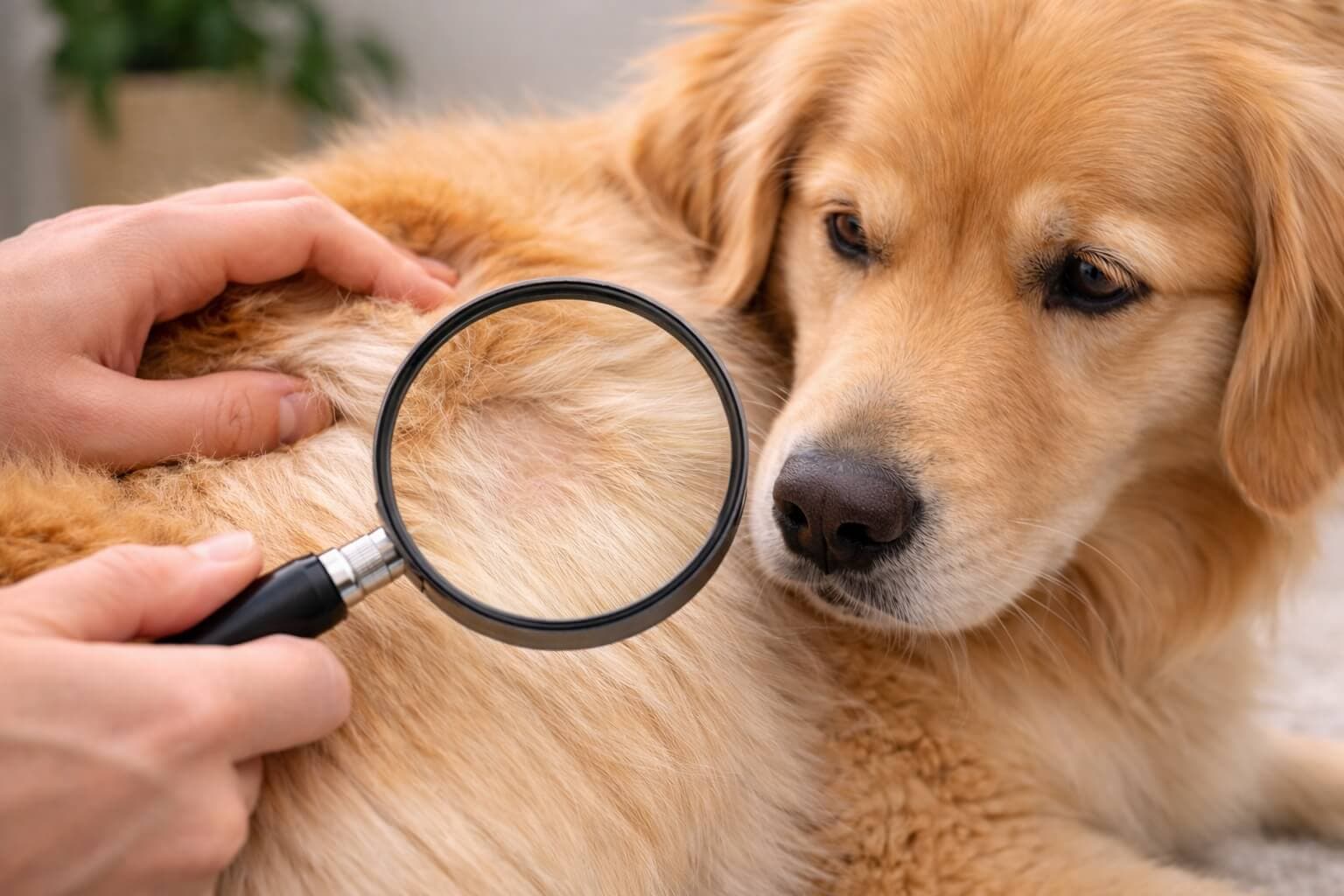
Golden Retriever Hot Spots Guide: Causes, Treatment & Prevention
GoldenRetriever.hair
By GoldenRetriever.hair
Hot spots on Golden Retrievers are painful, moist skin lesions that develop quickly when dogs lick, chew, or scratch irritated skin. The Golden's thick double coat traps moisture and makes the breed especially prone to them. This guide explains what hot spots are, why Golden Retrievers get them, how veterinarians treat them, what you can do at home, and how to prevent them through grooming and skin care.
Table of Contents
- 🐾Quick Answer: What Are Hot Spots on Golden Retrievers?
- 🐾What Are Hot Spots in Dogs?
- 🐾Why Golden Retrievers Are Prone to Hot Spots
- 🐾Common Causes of Hot Spots in Golden Retrievers
- 🐾Signs and Symptoms of Hot Spots
- 🐾How Veterinarians Treat Hot Spots
- 🐾Can You Treat Hot Spots at Home?
- 🐾Preventing Hot Spots in Golden Retrievers
- 🐾Common Mistakes Owners Make
- 🐾When to See a Veterinarian
- 🐾FAQ
Quick Answer: What Are Hot Spots on Golden Retrievers?
Hot spots (acute moist dermatitis) are red, moist, inflamed skin patches that develop when a dog licks, chews, or scratches an irritated spot. The trauma creates a wound; bacteria multiply in the warm, moist environment. Golden Retrievers are prone because their thick coat traps moisture and irritants. Common causes include allergies, fleas, trapped moisture after swimming or bathing, matting, and skin irritation. Golden Retriever hot spot treatment starts with stopping the itch-lick cycle — use an Elizabethan collar if needed. See your vet for proper diagnosis and treatment; hot spots often need topical medication, sometimes antibiotics. Don't let your dog continue licking or scratching; that worsens the lesion. For prevention, focus on regular grooming, drying after swimming, and managing allergies. See our skin allergies guide if your Golden has recurrent skin issues.
What Are Hot Spots in Dogs?
Acute Moist Dermatitis Explained
Hot spots are the common name for acute moist dermatitis — localized, inflamed skin lesions that appear suddenly and worsen quickly. The skin becomes red, moist, raw, and often oozes. Bacteria multiply in the damaged tissue. The area is intensely itchy and painful. Hot spots can develop in hours. They're not a specific disease but a pattern of skin damage that results from self-trauma (licking, chewing, scratching) combined with moisture and bacterial overgrowth.
How Hot Spots Develop
- 🐾Something irritates the skin — A flea bite, allergy itch, mat, trapped moisture, or minor cut.
- 🐾The dog licks, chews, or scratches — To relieve the itch or discomfort.
- 🐾The skin breaks down — Trauma damages the surface; moisture and bacteria create ideal conditions for infection.
- 🐾The cycle intensifies — More itch, more licking, more damage. The hot spot grows.
The key to dog hot spots treatment is breaking the cycle — stop the licking and scratching, clean and dry the area, and treat any underlying cause. Without intervention, hot spots can spread and become deeply infected.
Why Golden Retrievers Are Prone to Hot Spots
Thick Double Coat
Golden Retrievers have a dense double coat — a soft undercoat and longer guard hairs. That coat traps moisture, heat, and debris against the skin. When the skin is irritated and the dog licks or scratches, the thick fur holds moisture in place. Bacteria thrive. The same coat that protects Goldens from weather also creates conditions that favor hot spots. Regular brushing and coat maintenance reduce matting and improve airflow. See our Golden Retriever grooming guide and shedding guide.
Trapped Moisture
Moisture under the coat — from swimming, bathing, rain, or humidity — doesn't evaporate quickly. Wet skin is more vulnerable to irritation and infection. Drying your Golden thoroughly after swimming or bathing is one of the most effective ways to prevent hot spots. See our grooming schedule for a routine that includes post-swim care.
Skin Allergies
Many Golden Retrievers have skin allergies — environmental (pollen, dust mites) or food-related. Allergies cause itching; itching leads to licking and scratching; licking and scratching create hot spots. Goldens with recurrent hot spots often have underlying allergies that need management. See our Golden Retriever skin allergies guide for diagnosis and treatment.
Common Causes of Hot Spots in Golden Retrievers
Allergies
Environmental or food allergies cause itching. The dog scratches or licks to relieve it; the skin breaks down; a hot spot forms. Allergies are one of the most common drivers of hot spots in Golden Retrievers. If your Golden has recurrent hot spots, allergies may be the root cause. Managing allergies — with vet guidance — can reduce flare-ups.
Fleas and Parasites
A single flea bite can trigger intense itching in sensitive dogs. Flea allergy dermatitis is common. The dog bites and scratches at the site; a hot spot develops. Year-round flea prevention is important for preventing hot spots in dogs, especially for allergy-prone breeds like Goldens.
Trapped Moisture After Swimming or Bathing
Water under the coat doesn't dry quickly. Moist skin is more prone to irritation and bacterial overgrowth. If your Golden swims often or gets bathed frequently, dry the coat thoroughly — especially thick areas like the neck, chest, and base of the tail. See our best shampoo for Golden Retrievers for bathing tips and our grooming schedule for post-swim care.
Poor Grooming or Matting
Mats pull on the skin and trap moisture and debris. They create irritation and restrict airflow. A dog may lick or chew at a matted area; the skin breaks down. Regular brushing prevents mats and reduces hot spot risk. See our best brushes for Golden Retrievers for tool recommendations.
Skin Irritation
Minor cuts, scrapes, insect bites, or contact with irritants can start the cycle. The dog focuses on the spot; licking and scratching turn a small irritation into a hot spot. Keeping the coat clean and checking for small wounds during grooming helps catch issues early.
Signs and Symptoms of Hot Spots
Red, Irritated Skin
The affected area is red, inflamed, and often raw-looking. It may feel warm to the touch. The inflammation can spread if the dog continues licking.
Hair Loss
Hair falls out or is chewed away around the lesion. You may notice a bald, red patch — sometimes circular — that appeared suddenly.
Moist or Oozing Patches
Hot spots are typically moist — they may ooze clear fluid, pus, or blood. The surface can look wet, sticky, or crusted. The moisture is part of what makes them "hot" — bacteria thrive there.
Excessive Licking or Chewing
Your dog focuses on one area — licking, chewing, or scratching constantly. The behavior often precedes or accompanies the visible lesion. Stopping this behavior is critical to treatment.
Pain or Sensitivity
The area may be painful. Your dog might pull away, cry, or guard when you touch it. Some dogs become restless or lose appetite if the hot spot is severe.
How Veterinarians Treat Hot Spots
Cleaning the Wound
The vet will clean the affected area to remove debris, crust, and bacteria. This may involve clipping the surrounding hair to expose the lesion and allow it to dry. Cleaning is essential — it removes the environment where bacteria multiply.
Trimming Surrounding Hair
Clipping the hair around the hot spot improves airflow, allows the area to dry, and makes topical medication more effective. It also prevents matting over the wound. Don't try to clip a painful, infected hot spot yourself — let your vet do it; they may need sedation for a very painful dog.
Topical Medication
Vets typically prescribe a topical spray, ointment, or wipe with antimicrobial and sometimes anti-inflammatory ingredients. These help control infection and reduce inflammation. Apply as directed. Keep the area clean and dry between applications.
Antibiotics in Severe Cases
If the infection is deep or spreading, oral antibiotics may be needed. Your vet will determine this based on the severity of the lesion. Finish the full course even if the hot spot looks better.
Elizabethan Collar
An Elizabethan collar (cone) prevents the dog from licking or chewing the hot spot. This is often the most important step — without it, the dog can undo all treatment. Keep the cone on until the vet says the lesion has healed.
Addressing the Underlying Cause
If allergies, fleas, or another trigger caused the hot spot, that trigger needs to be addressed. Otherwise, hot spots may recur. Your vet may recommend allergy management, flea prevention, or grooming changes. See our skin allergies guide for allergy-specific care.
Can You Treat Hot Spots at Home?
Mild, early hot spots — small, not deeply infected, and your dog will leave them alone — may improve with home care:
- 🐾Stop the licking — Use an Elizabethan collar. This is non-negotiable.
- 🐾Clean the area — Gently wipe with a vet-approved antiseptic or saline. Pat dry.
A gentle antimicrobial wound-care spray like the one below can help clean and protect irritated skin while supporting healing.
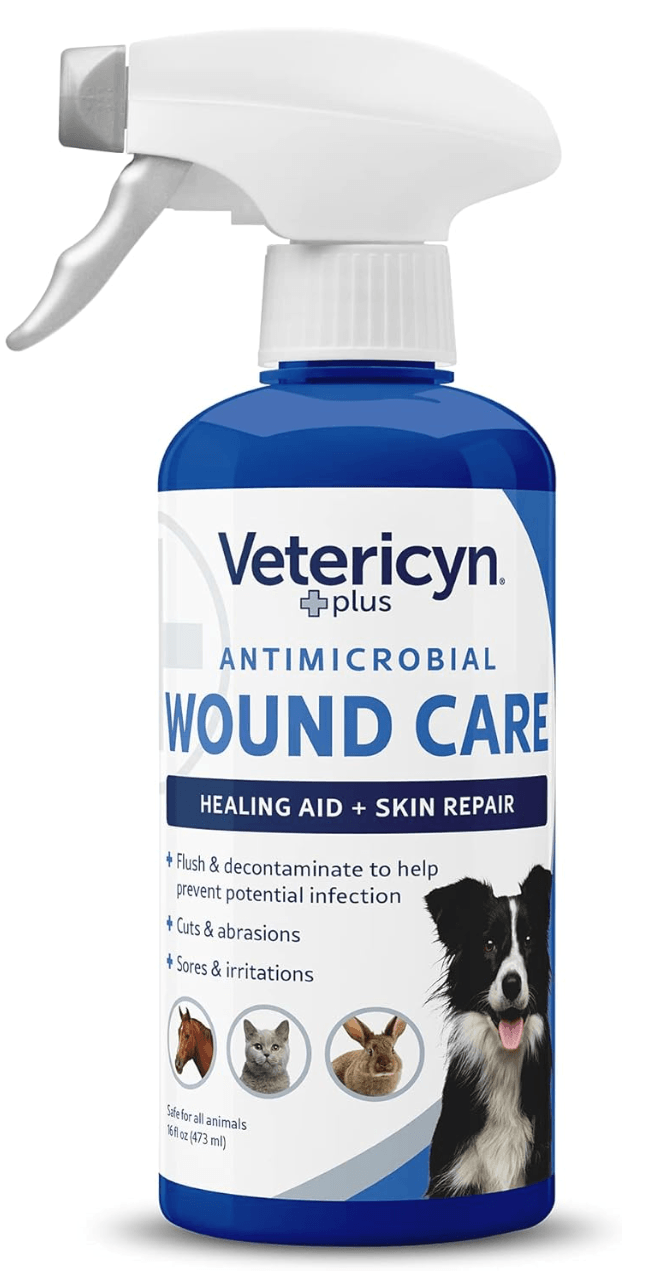
Vetericyn Plus Dog Wound Care Spray
Gentle antimicrobial spray that helps clean wounds, soothe irritated skin, and support healing for issues like hot spots, cuts, and skin irritation. Safe, non-toxic, and a great addition to your Golden Retriever first-aid kit.
- 🐾Keep it dry — Moisture worsens hot spots. Avoid covering with bandages unless your vet recommends it.
- 🐾Apply a vet-approved topical — Over-the-counter options exist, but your vet can recommend the best product for your dog's situation.
See your vet if the hot spot is large, worsening, oozing heavily, or if your dog is in pain. Don't use human medications (e.g., hydrocortisone cream) without vet approval — some can be toxic to dogs or delay proper treatment. When in doubt, a vet visit is the safest choice. Hot spots can worsen quickly without proper care.
Preventing Hot Spots in Golden Retrievers
Regular Grooming
A consistent Golden Retriever grooming routine reduces mats, improves airflow, and helps you spot small irritations early. Brush 2–4 times per week; increase during shedding season. See our grooming guide and best brushes guide.
Brushing the Coat
Brushing removes loose undercoat, prevents matting, and distributes natural oils. Mats trap moisture and irritate skin — both increase hot spot risk. Focus on thick areas: neck, chest, behind ears, base of tail. See our shedding guide for technique.
Drying After Swimming
Dry your Golden thoroughly after swimming or bathing. Use a towel; consider a blow dryer on low heat for thick areas. Don't leave the coat damp. This is one of the most effective steps for preventing hot spots in dogs who love water.
Managing Allergies
If your Golden has allergies, work with your vet to manage them. Allergies drive itching; itching drives hot spots. Diet trials, medication, or environmental controls can reduce flare-ups. See our skin allergies guide.
Maintaining Healthy Skin
A quality diet supports skin health. Omega-3 fatty acids can help some dogs with skin conditions. Avoid overbathing — it strips natural oils. Bathe every 4–8 weeks with a gentle shampoo. See our best shampoo for Golden Retrievers.
Common Mistakes Owners Make
- 🐾Letting the dog continue licking — Without an Elizabethan collar, treatment often fails. The dog will keep traumatizing the area.
- 🐾Delaying vet care — Hot spots can worsen quickly. Early treatment is easier and less costly than dealing with a severe infection.
- 🐾Using human products — Human hydrocortisone, Neosporin, or other medications can be inappropriate or harmful for dogs. Use only vet-approved products.
- 🐾Covering the hot spot — Bandages can trap moisture and worsen the problem. Let the area breathe unless your vet says otherwise.
- 🐾Ignoring the underlying cause — Recurrent hot spots often have a trigger. Address allergies, fleas, or grooming issues to prevent recurrence.
- 🐾Overbathing — Bathing too often strips oils and can dry or irritate skin. Stick to every 4–8 weeks unless your vet recommends otherwise.
- 🐾Skipping drying after swimming — Moisture under the coat is a major hot spot trigger. Always dry thoroughly.
When to See a Veterinarian
See your vet if:
- 🐾The hot spot is large, deep, or spreading — These need professional cleaning and possibly antibiotics.
- 🐾Your dog is in pain — Pain may require sedation for proper treatment.
- 🐾The hot spot is oozing heavily — Or has a foul odor; may indicate significant infection.
- 🐾Home care isn't working — The lesion isn't improving after 1–2 days of careful home treatment.
- 🐾Hot spots recur — Recurrent hot spots suggest an underlying cause (allergies, fleas) that needs diagnosis and management.
- 🐾Your dog is lethargic or feverish — May indicate infection has spread.
Don't wait — hot spots can worsen rapidly. Early veterinary care leads to faster healing and less discomfort for your dog.
FAQ
What are hot spots on Golden Retrievers?
Hot spots (acute moist dermatitis) are red, moist, inflamed skin lesions that develop when a dog licks, chews, or scratches irritated skin. Bacteria multiply in the damaged area. Golden Retrievers are prone because their thick coat traps moisture and limits airflow. They appear suddenly and can worsen quickly.
What causes hot spots on dogs?
Common causes include allergies (environmental or food), fleas, trapped moisture after swimming or bathing, matting, and skin irritation. Anything that causes itching or discomfort can start the lick-scratch cycle that leads to a hot spot. In Golden Retrievers, the dense coat and moisture retention increase risk.
How do you treat a Golden Retriever hot spot?
Stop the licking with an Elizabethan collar. Clean the area gently and keep it dry. Apply vet-approved topical medication. For larger or infected hot spots, see your vet — they may need to clip the hair, clean the wound, and prescribe topical or oral medication. Address any underlying cause (allergies, fleas) to prevent recurrence.
Can you treat dog hot spots at home?
Mild, early hot spots may improve with home care: Elizabethan collar, gentle cleaning, drying, and vet-approved topical. See your vet if the hot spot is large, worsening, oozing heavily, or painful. Don't use human medications without vet approval. When in doubt, a vet visit is safest.
How do you prevent hot spots in Golden Retrievers?
Regular grooming and brushing, drying thoroughly after swimming or bathing, managing allergies, and maintaining healthy skin through diet and appropriate bathing. See our grooming schedule, skin allergies guide, and best shampoo guide.
Why does my Golden Retriever keep getting hot spots?
Recurrent hot spots often indicate an underlying trigger — most commonly allergies or fleas. The thick coat and moisture retention also make Goldens prone. Work with your vet to identify and manage the cause. See our skin allergies guide for allergy management.
Conclusion
Hot spots on Golden Retrievers are painful but treatable. They develop when licking and scratching damage the skin; the thick coat traps moisture and worsens the problem. Treatment requires stopping the itch-lick cycle, cleaning and drying the area, and often veterinary care. Prevention focuses on regular grooming, drying after swimming, and managing allergies. For recurrent skin issues, see our Golden Retriever skin allergies guide. For grooming routines that support skin health, see our grooming guide, grooming schedule, shedding guide, best brushes guide, and best shampoo guide.
P.S. Get the free Golden Retriever Owner Cheat Sheet — daily feeding, sleep, and care in one printable guide.
Get the Cheat Sheet when you join the newsletter — instant access in your welcome email.