
Ultimate Guide to Grooming Your Golden Retriever: Expert Tips for a Healthy Coat
By JJ Allan (goldenretriever.hair)
Golden Retrievers are beloved for their luxurious double coats – thick, water-resistant, and stunningly golden. However, that beautiful coat comes with responsibility. This guide explains how to keep your Golden comfortable, healthy, and looking their best.
This comprehensive guide covers everything you need to know: coat structure, essential tools, step-by-step routines, common mistakes, diet for coat health, and when to seek professional help. Proper grooming isn't just about appearance – it prevents mats, reduces shedding in your home, and catches health issues early.
This guide is general information, not veterinary advice. Every dog is different, so check with your veterinarian before changing your Golden's diet, starting a supplement or medication, or trying a new treatment, and see a vet right away if symptoms are severe or sudden.
Understanding the Golden Retriever Coat
Golden Retrievers have a double coat:
- 🐾Outer coat: Long, straight or wavy guard hairs that repel water and dirt.
- 🐾Undercoat: Dense, soft fur that insulates against cold and heat.
This coat protects against weather and water (the breed's working heritage), but it sheds year-round with heavy "blowouts" in spring and fall when the undercoat renews.
Important: Never shave a Golden Retriever. Shaving or clipping the coat defeats its purpose: the AKC notes the top coat protects against water and burrs, and the coat should not be shaved or clipped. Leave the coat intact and trim only feathering with thinning scissors. In cold months, that intact double coat is part of winter safety—see our Golden Retriever cold-weather guide for outdoor limits and coat care in freezing conditions. For coat structure differences by line, see the Golden Retriever coat types guide.
Step-by-Step Home Grooming Routine
Groom regularly to prevent problems. Frequency depends on activity/lifestyle – active Goldens need more.
Brushing (at least once a week, daily during heavy shedding)
- 🐾Start with line brushing: Part coat in sections, brush from skin outward.
- 🐾Use undercoat rake on thick areas (neck, chest, rear).
- 🐾Follow with slicker brush for tangles.
- 🐾Finish with pin brush for shine.
- 🐾Groom outside to contain fur.
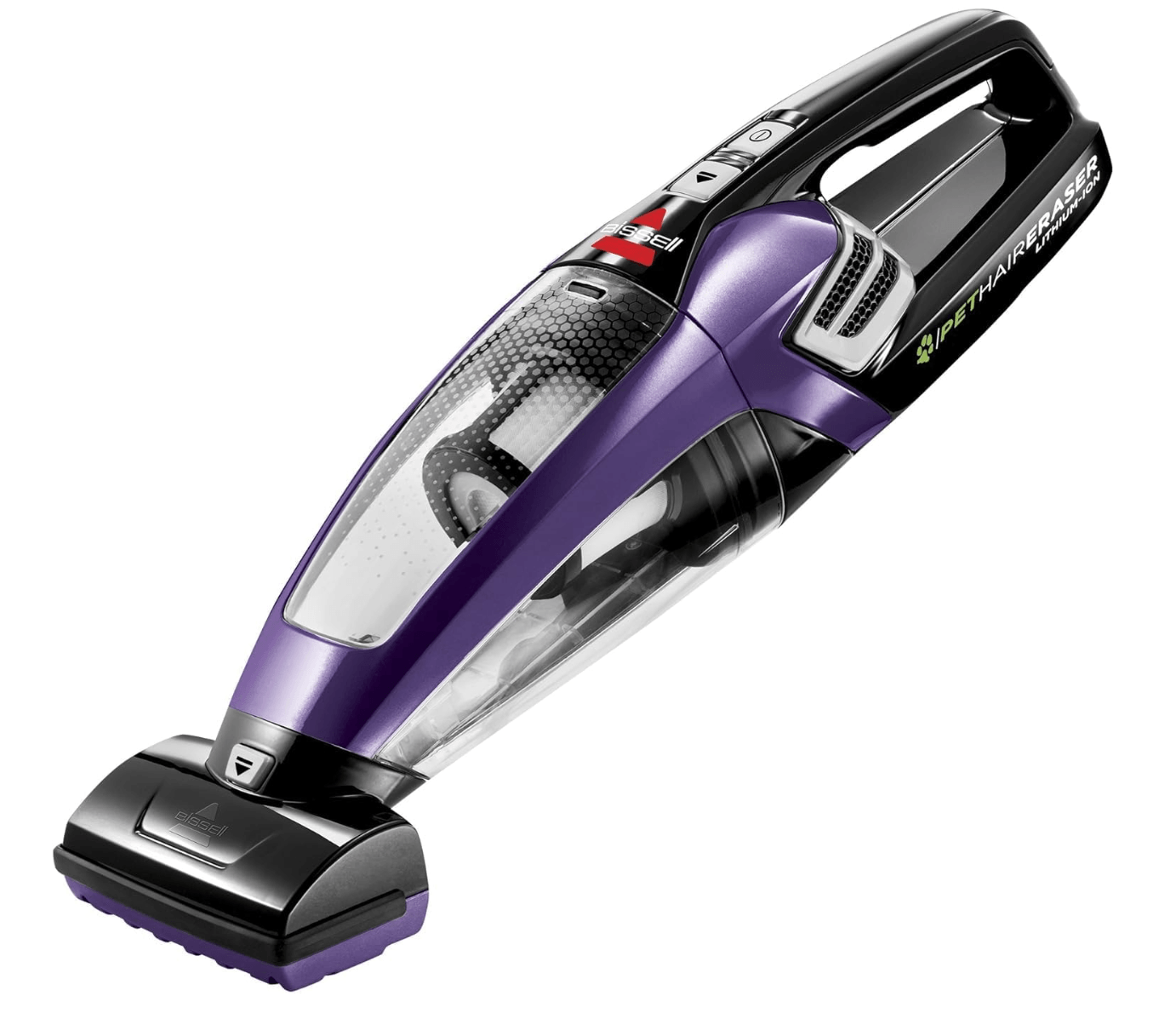
Bissell Pet Hair Eraser Handheld Vacuum
After brushing your Golden Retriever, loose hair tends to end up everywhere. This handheld vacuum makes cleanup fast and easy—especially on furniture, stairs, and tight spaces.
Bathing (Every 4-8 weeks or as needed)
For frequency, prep, and drying detail, use the Golden Retriever bathing guide. Pair coat care with dental care so mouth handling stays part of the same calm grooming routine.
- 🐾Brush thoroughly first (removes loose fur).
- 🐾Wet coat completely.
- 🐾Use gentle shampoo – lather, rinse thoroughly (no residue).
- 🐾Apply conditioner for coat health.
- 🐾Towel dry, then air dry or low-heat blow dry.
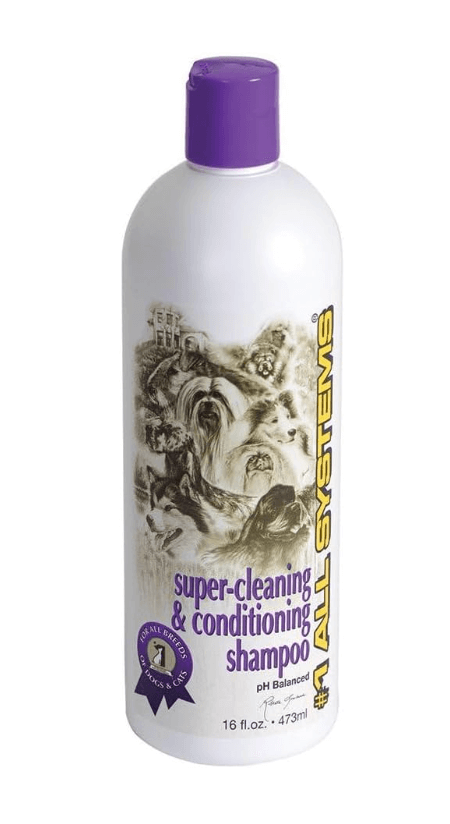
Dog Shampoo
A gentle, skin-safe shampoo supports coat health and works well for regular bathing routines.
Nail Trimming (about every 3–4 weeks)
- 🐾Use grinder for smooth finish (less stressful).
- 🐾Trim or grind small amounts – avoid quick.
Nail care is more than cosmetic. The AKC notes that long nails can splay the foot, reduce traction, and over time deform the feet and injure tendons, because each step pushes force back into the foot and leg. Regular trims also make the quick, the living pink core with blood vessels and nerves, recede, so short nails get easier to keep short.
The quick is easy to see on light nails and hard to see on dark ones, which many Goldens have. VCA's advice for dark nails is to take just the very tip, then work back in small clips of about 1–2 mm; the AKC says to watch for a chalky white ring as you get close. On frequency, the AKC says most dogs need trims every three to four weeks, depending on activity and how fast the nails grow, and some dogs wear their nails down and need them less often. Keep styptic powder nearby in case you nick the quick.

Casfuy 6-Speed Dog Nail Grinder
The nail grinder on our product list. A grinder lets you take off a little at a time, which the AKC recommends: grind only a small part of the nail at a time and keep long hair back from the tool.
Ear Checks (weekly; clean only as needed)
- 🐾Floppy ears trap moisture – prone to infections.
- 🐾When cleaning is needed, use a vet-approved ear cleaner, massage the base of the ear, and wipe the outer ear with cotton balls or gauze.
Check the ears as part of every brushing session. Look for redness, discharge, or odor, and work the comb through the feathering behind the ears, which the AKC's Golden grooming guide calls out as a spot to comb. VCA says not all dogs need their ears cleaned, and over-cleaning can irritate the canal and lead to infection. Clean when you see discharge or smell an odor, let your veterinarian set how often, and skip the cleaner and call the vet first if the ear is red, inflamed, or painful. Never use cotton swabs in the canal.
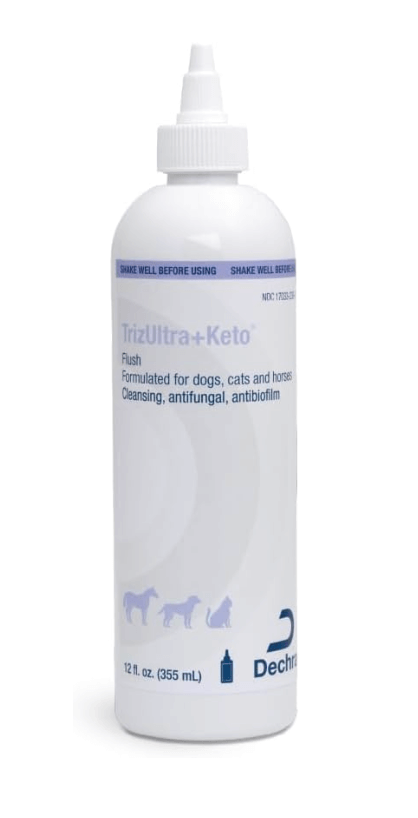
TrizULTRA + Keto Flush for Dogs, Cats and Horses
The ear cleaner on our product list (also featured in our ear infections guide). Use it as your veterinarian directs, not as a treatment for an ear that has not been examined.
Dental Care (daily is best, at least 3x/week)
- 🐾Brush with dog toothpaste/enzymatic gel.
Plaque forms on teeth every day, and VCA says that if it is not removed within about 48 hours it starts hardening into tartar that has to be scraped off professionally. Bad breath is a common sign of dental disease, along with pawing at the mouth, dropping food, or drooling. VCA and the Veterinary Oral Health Council (VOHC) both call daily brushing with a dog toothpaste the gold standard; never use human toothpaste. Products carrying the VOHC Seal (listed at vohc.org) can add plaque or tartar control, and VOHC recommends periodic veterinary exams of the mouth and teeth.
Quick Checks Between Grooming Sessions
A few minutes between full grooming sessions catches problems while they are small.
Every day, or after time outside
- 🐾Run your hands over the coat and check for burrs, mats, and debris.
- 🐾Check for ticks every day, and more than once a day in tick season.
- 🐾Look between the toes for foxtails and grass barbs, and remove them promptly.
- 🐾Wipe off mud and outdoor debris with a damp towel as needed.
Ears
Look at and smell your Golden's ears about once a week. Severe redness, swelling, debris, brown or yellow discharge, or a yeasty smell can be a sign of infection and needs a vet visit. Dry the ears well after a bath or a swim.
Not every dog needs routine ear cleaning, and over-cleaning can irritate the canal. When you do clean, use an ear cleaning solution with cotton balls or gauze, never cotton swabs, which can push debris deeper or damage the eardrum. If the ears are red, inflamed, or painful, call your vet before cleaning.
Paw fur
Hair between the pads needs regular trimming so your Golden keeps traction on slippery floors. Trim it even with the pads or slightly shorter, using small blunt-tipped scissors. Have a groomer or your vet's team show you how before you try it, or let them do it.
Shedding season
Goldens shed moderately all year and heavily once or twice a year. During those heavy weeks, brushing becomes a daily job.
Essential Grooming Tools
Invest in quality tools – cheap ones pull hair and cause discomfort.
Recommended categories (check our curated grooming products):
- 🐾Undercoat rake (deshedding).
- 🐾Slicker brush (mats/tangles).
- 🐾Pin brush (finishing).
- 🐾Wide-tooth comb (final check).
- 🐾Self-cleaning slicker (convenience).
- 🐾Nail grinder or clipper.
- 🐾Ear cleaner solution.
- 🐾Gentle dog shampoo/conditioner.
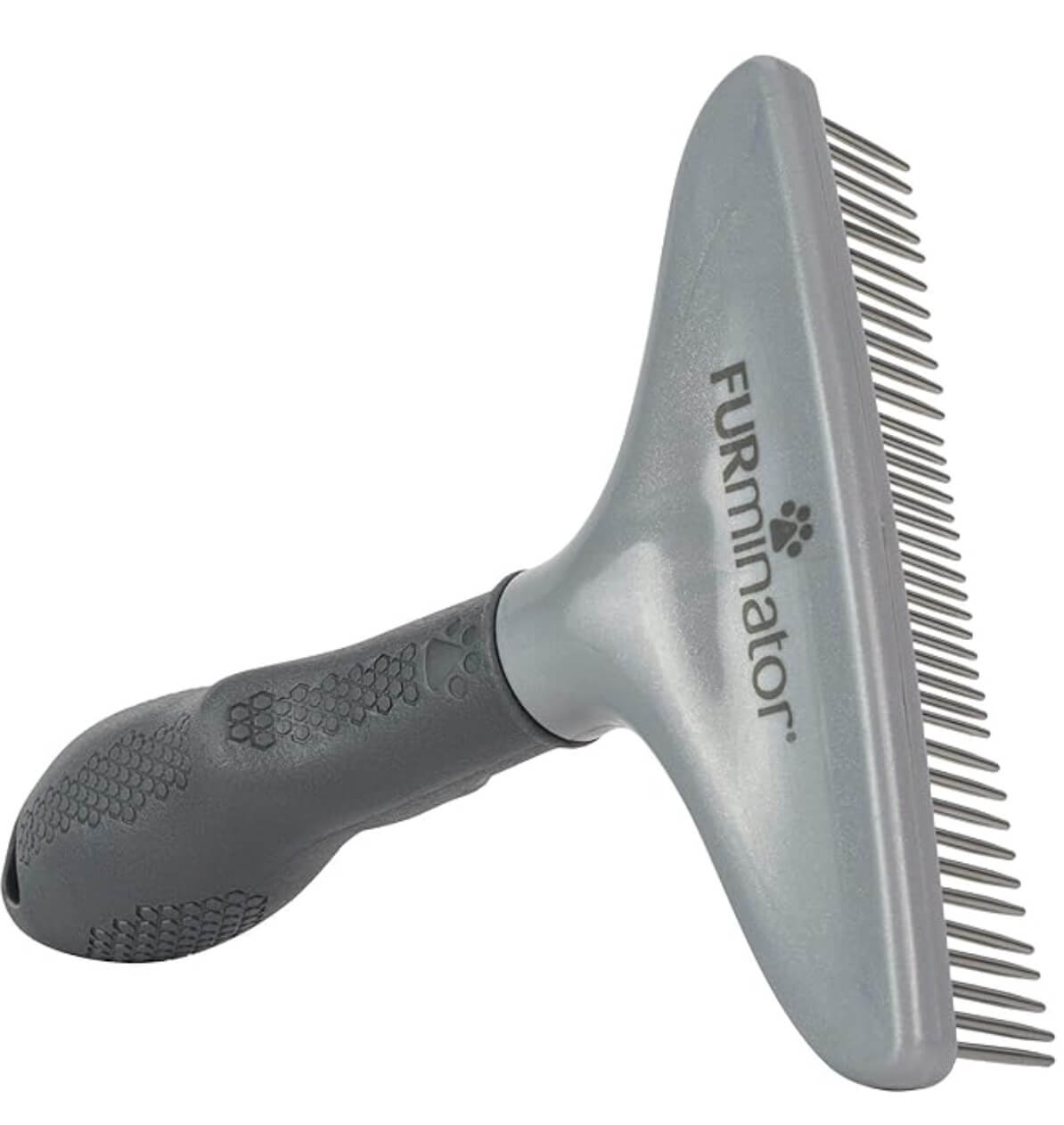
Undercoat Rake
Best used during shedding season for undercoat removal, not as a daily tool.
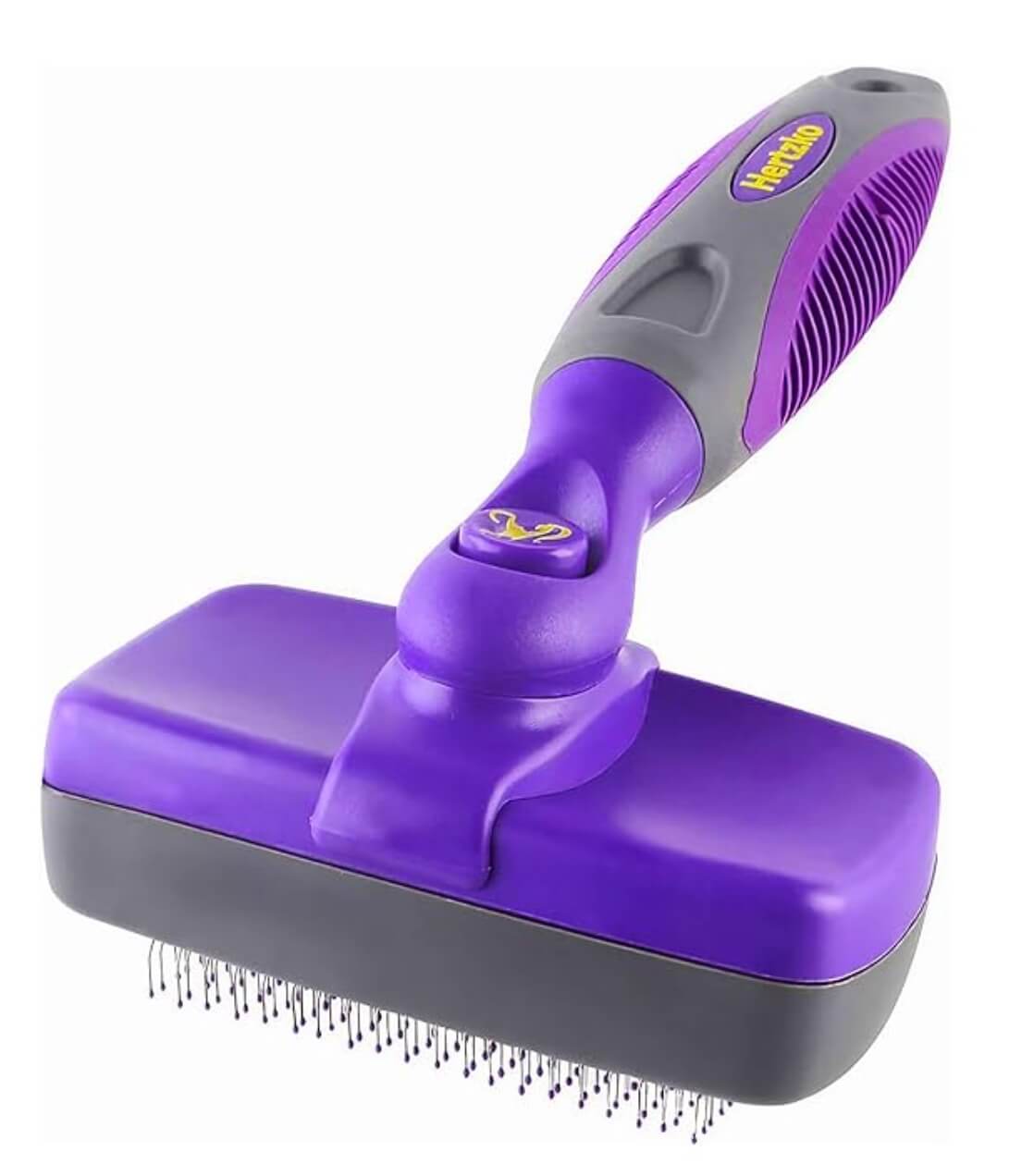
Hertzko Self-Cleaning Slicker Brush
For Golden Retrievers, a slicker brush is essential: it works through the longer outer coat and feathering where tangles form, while still reaching down to loose undercoat hair that drives shedding in the house.
Used consistently, it helps prevent small mats from becoming painful problems and removes shedding fur during routine sessions. A self-cleaning slicker keeps those sessions smoother—easier cleanup between strokes, less fuss, and more thorough passes when you groom on a schedule.
Common Grooming Mistakes to Avoid
- 🐾Over-bathing (can dry the skin; bathe about monthly or as needed)
- 🐾Wrong tools (pulling hair – discomfort).
- 🐾Ignoring mats (painful, skin issues).
- 🐾Shaving or clipping the coat (defeats its purpose; trim only feathering).
Diet & Supplements for Coat Health
A complete, balanced diet supports skin and coat health. Ask your veterinarian before adding fish oil, biotin, zinc, or other supplements.
Check our recommended food/treats.
Professional Grooming vs Home Care
Home grooming is ideal for bonding/control, but professional help for heavy mats or first-time owners.
Final Thoughts
Regular grooming keeps your Golden comfortable, healthy, and looking stunning. Start slow with puppies – positive experiences last a lifetime.
Sources
- 🐾American Kennel Club, how to groom a Golden Retriever
- 🐾American Kennel Club, dog grooming at home
- 🐾VCA Animal Hospitals, ear cleaning in dogs
- 🐾American Kennel Club, Golden Retriever breed grooming
- 🐾American Kennel Club, how to trim dog nails safely
- 🐾VCA Animal Hospitals, how to trim a dog's nails
- 🐾VCA Animal Hospitals, dental disease in dogs
- 🐾VCA Animal Hospitals, toothbrushing for dental care
- 🐾Veterinary Oral Health Council (VOHC)
P.S. Get the free Golden Retriever Owner Cheat Sheet — daily feeding, sleep, and care in one printable guide.
Get the Cheat Sheet when you join the newsletter — instant access in your welcome email.