Golden Retriever Coat Types (Colors, English vs American & Shedding)
GoldenRetriever.hair
By GoldenRetriever.hair
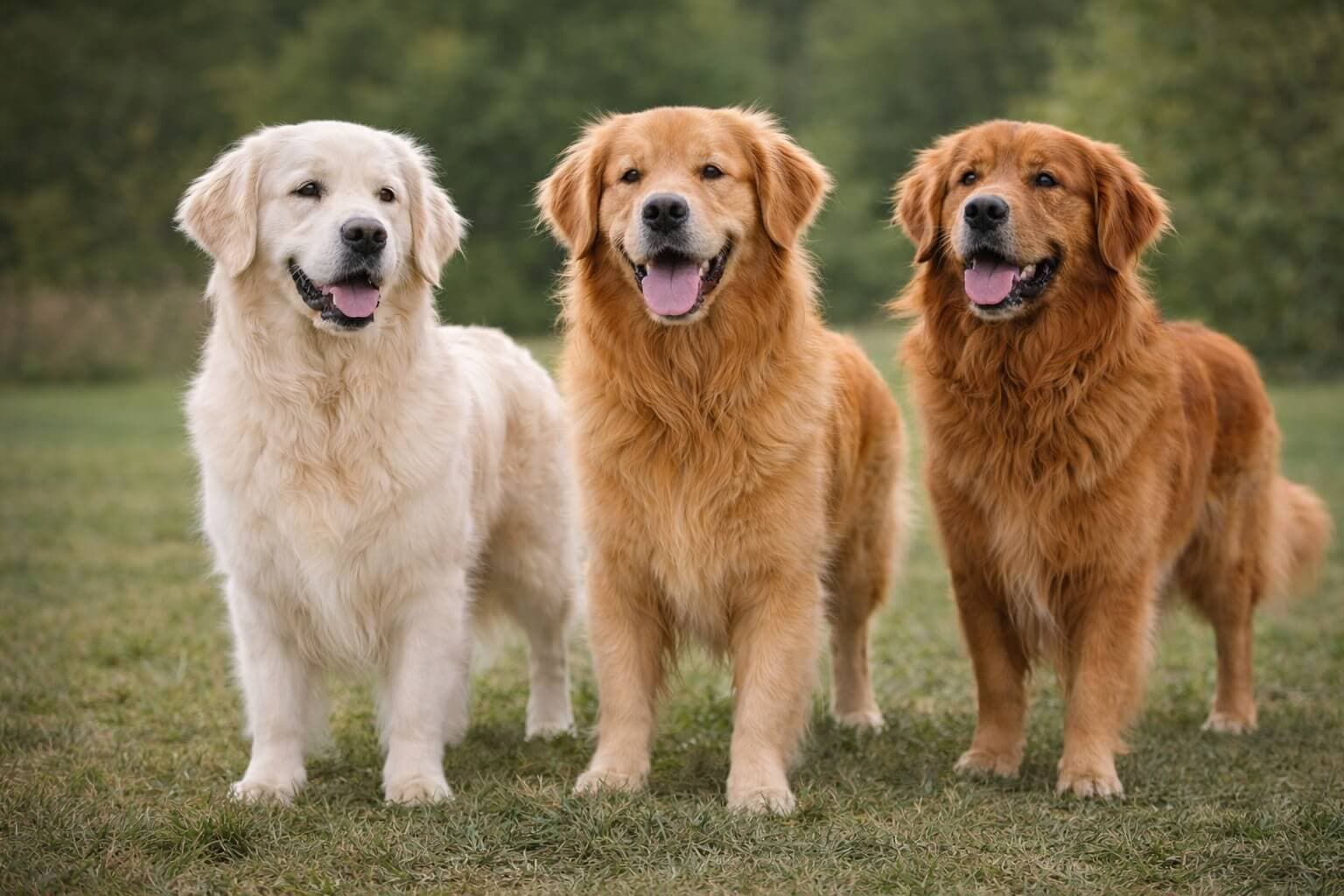
Golden Retrievers are famous for their beautiful coats—but not all Golden coats look the same. Some have long, flowing feathering and a big, full mane. Others are shorter and more athletic-looking, especially field-bred Goldens. Some are very pale cream, others deep coppery gold. If you’ve ever wondered whether your Golden Retriever’s coat type is “normal,” you’re not alone.
This guide breaks down Golden Retriever coat types, Golden Retriever coat colors, and how American, English, and field Golden Retriever coats differ in real life. We’ll also explain how your Golden Retriever puppy coat changes to an adult coat, what coat myths to ignore, and how coat type affects grooming and shedding.
Table of Contents
- 🐾Quick Answer: What Are the Main Golden Retriever Coat Types?
- 🐾Do Golden Retrievers Have Different Coat Types?
- 🐾The Main Golden Retriever Coat Types Owners Commonly See
- 🐾Golden Retriever Coat Colors
- 🐾English Cream vs American Golden Retriever Coat
- 🐾Field Golden Retriever Coat Characteristics
- 🐾Golden Retriever Puppy Coat vs Adult Coat
- 🐾How Coat Type Affects Grooming and Shedding
- 🐾Common Coat Myths Owners Should Ignore
- 🐾When Coat Changes May Signal a Health Problem
- 🐾FAQ
- 🐾Conclusion
Quick Answer: What Are the Main Golden Retriever Coat Types?
When people talk about Golden Retriever coat types, they’re usually talking about a mix of coat length, coat thickness, feathering, and overall appearance—not separate breeds.
At a high level, owners most often describe three common types of Golden Retriever coats:
- 🐾
American Golden Retriever coats:
Medium to long coat, moderate-to-heavy feathering, usually in the mid-golden to dark golden color range. Often a bit lighter-boned than English lines. - 🐾
English / British Golden Retriever coats:
Typically heavier, denser coats with thick feathering and a blockier body. Colors trend from pale cream to rich golden, with many “English Cream” Goldens on the lighter end. - 🐾
Field / working Golden Retriever coats:
Often shorter, flatter coats with less dramatic feathering, bred for performance and ease of maintenance in the field. Colors can range widely but are frequently medium to dark golden.
All Golden Retrievers have a double coat: a soft undercoat and a weather-resistant outer coat. What changes from dog to dog is how long, how dense, and how heavily feathered that double coat is—and what shade of golden it comes in.
Do Golden Retrievers Have Different Coat Types?
Yes and no.
All purebred Golden Retrievers share the same basic coat structure, but individual dogs and breeding lines differ in length, density, feathering, and color.
All Goldens Have a Double Coat
Every Golden Retriever—American, English, or field-bred—has a double coat:
- 🐾
Undercoat:
Soft, dense, and insulative. This is what blows during heavy shedding seasons. - 🐾
Outer coat (guard hairs):
Longer, slightly coarser hairs that repel water and protect the undercoat and skin.
This Golden Retriever double coat is what makes them such capable outdoor dogs in different weather, but it also explains year-round shedding and the heavy seasonal shed many owners experience. Shaving or drastically trimming this double coat can damage its structure and long-term function. For how coat insulation interacts with winter outings, see our Golden Retriever cold-weather guide.
Coat Type vs Texture vs Length vs Color
Owners often use these terms interchangeably, but they refer to different things:
- 🐾
Coat type:
Overall pattern of length, density, and feathering on the body. For example, “field coat,” “heavy show coat,” or “moderate pet coat.” - 🐾
Coat texture:
How the hair feels—silky vs woolly, flat vs slightly wavy, soft vs coarse. Some Golden coats are very straight and silky; others are more dense and plush. - 🐾
Coat length:
How long the hair is on the body and feathered areas. Some Goldens have long “skirts” and tail plumes; others are tighter-coated. - 🐾
Coat color:
The shade of the coat: light cream, pale golden, medium golden, dark golden. Color does not determine coat type or quality.
Understanding the difference helps when you compare English vs American Golden Retriever coats or talk about a field Golden Retriever coat. You’re really comparing patterns of length, feathering, and density, not completely different kinds of hair.
The Main Golden Retriever Coat Types Owners Commonly See
Within the breed, coat appearance tends to follow major breeding styles. Most owners will encounter three broad “types,” even though they’re all the same breed.
American Golden Retriever Coat
American Golden Retrievers (common in North America) are often bred from either show lines, field lines, or a mix.
Typical American Golden Retriever coat characteristics:
- 🐾
Length:
Medium to long. Many have noticeable feathering on the chest, legs, belly, and tail, but not always as heavy as some English show lines. - 🐾
Feathering:
Moderate to heavy. Tail and hind-leg feathering can be quite full, especially on show-bred dogs. - 🐾
Texture:
Usually straight or slightly wavy. Can feel silky along the body with a softer, plush undercoat. - 🐾
Density:
Varies by line. Some American Goldens have very thick coats; others, especially field-influenced lines, are a bit lighter in coat. - 🐾
Color:
Commonly medium to dark golden, though pale dogs exist. The AKC standard calls for a “rich, lustrous golden of various shades.”
From a grooming standpoint, many American Golden Retriever coats need regular brushing to manage feathering and seasonal shedding. See our Golden Retriever grooming guide and Golden Retriever grooming schedule for practical routines that fit this coat.
English / British Golden Retriever Coat
English or British-type Golden Retrievers (common in the UK and often imported or bred as “English lines” elsewhere) are usually bred to the FCI or UK Kennel Club standards.
Typical English / British Golden Retriever coat characteristics:
- 🐾
Length:
Medium to long, often with substantial feathering. - 🐾
Feathering:
Frequently very full, especially on the tail, chest, thighs, and back of the legs. Many English Goldens look more “plush” overall. - 🐾
Texture:
Dense and sometimes slightly more “substantial” than many American pets. Still should lie relatively flat, not curly or woolly. - 🐾
Density:
Often heavier. Many English-bred Goldens have a thicker, more insulating coat and more body mass underneath it. - 🐾
Color:
Ranges from light cream to rich golden. Very pale dogs are often marketed as “English Cream,” but they are still Golden Retrievers, not a separate breed.
Because these coats are often thicker with more feathering, mat prevention and thorough brushing are crucial. A slicker brush, undercoat rake, and steel comb are especially useful—see our best brushes for Golden Retrievers guide for tools that work well on heavy English coats.
Field / Working Golden Retriever Coat
Field or working Golden Retrievers are bred primarily for hunting, performance, and active work rather than conformation showing.
Typical field Golden Retriever coat characteristics:
- 🐾
Length:
Generally shorter on the body than many show-bred Goldens, with more modest feathering. - 🐾
Feathering:
Present, but often less dramatic. Tail and leg feathering is usually shorter and more streamlined. - 🐾
Texture:
Functional, weather-resistant coat. Often lies fairly flat and dries quickly compared to some heavy show coats. - 🐾
Density:
Still clearly a double coat, but often managed by breeders for practicality—less likely to collect burrs and debris. - 🐾
Color:
Can be any allowed shade of golden, but many field lines trend toward medium to darker golden or “redder” tones.
A field Golden Retriever coat is usually easier to maintain for outdoor, sporty families: fewer mats, faster drying, and less dramatic feathering. It still sheds heavily, especially seasonally, so a solid shedding routine is essential—see our Golden Retriever shedding guide for details.
Golden Retriever Coat Colors
Golden Retriever coat colors exist on a spectrum, not in hard categories. Breed standards focus on shades of golden and cream, not on “rare” or “designer” colors.
Common Golden Retriever Coat Colors
Within most registries, you will see:
- 🐾
Light cream:
Very pale, sometimes called “English Cream.” Coat may appear almost white in some lighting, but still has a warm undertone. - 🐾
Pale golden:
Light but clearly golden. Common in many English lines. - 🐾
Medium golden:
The “classic” Golden color many people imagine. - 🐾
Dark golden:
Rich, deeper gold—sometimes bordering on copper. Especially common in some American and field lines.
Colors outside this range (e.g., very red, mahogany, or noticeably patterned coats) may still occur, but they’re not what breed standards describe.
What Is Within the Breed Standard?
Most breed clubs accept:
- 🐾A range of golden shades, from light cream to dark golden.
- 🐾No large white patches, though small white markings (like a small chest spot) may appear.
- 🐾Solid color overall, not merle or brindle.
Check your local kennel club’s standard for exact wording, but remember: show standards and pet quality are not the same thing.
Why Color Does Not Determine Quality
Color alone does not indicate:
- 🐾Health
- 🐾Temperament
- 🐾Intelligence
- 🐾Working ability
- 🐾Coat quality or texture
A dark golden field dog can be just as healthy and well-bred as a pale English-type show dog. Marketing terms like “rare color” or heavily promoting “English Cream” as superior are more about branding than actual coat quality.
When choosing a puppy, prioritize health testing, temperament, and the breeder’s practices over specific shades of golden.
English Cream vs American Golden Retriever Coat
“English Cream” has become a popular term, often misunderstood.
What “English Cream” Really Means
“English Cream Golden Retriever” generally refers to:
- 🐾A pale-colored Golden Retriever (light cream coat)
- 🐾Often from English or European show lines
- 🐾Bred to the FCI/UK standard rather than the American standard
Important:
English Cream is not a separate breed. It is still a Golden Retriever, with the same basic double coat structure as any other Golden. For the broader American vs British type comparison beyond coat color, see our English vs American Golden Retriever guide.
Differences in Appearance
On average (with plenty of individual variation):
- 🐾
English / cream-type coats:
- 🐾Lighter cream to pale golden color
- 🐾Often thicker feathering and denser coat
- 🐾Paired with a blockier build and broader head
- 🐾
American-type coats:
- 🐾Mid-golden to dark golden more common
- 🐾Moderate to heavy feathering
- 🐾Often a slightly lighter frame, especially in some show lines
These are trends, not rules. Many American-bred Goldens carry English lines and vice versa.
Coat Thickness and Feathering
Many owners notice that English-type Goldens:
- 🐾Have heavy feathering on the tail, chest, and hind legs
- 🐾Carry a plush, dense undercoat
- 🐾Require more consistent line brushing to prevent mats
American pets—especially with some field influence—may have:
- 🐾Slightly less extreme feathering
- 🐾A coat that dries faster after swimming
- 🐾Fewer mats if maintained reasonably well
Common Myths About English Cream Coats
Some myths to ignore:
- 🐾
“English Cream Golden Retrievers shed less.”
There is no reliable evidence that cream Goldens shed less than Goldens of other colors. Shedding is influenced by genetics, health, environment, and grooming—not coat color alone. - 🐾
“English Creams have a completely different coat type.”
All Goldens have a double coat. English lines may have thicker or heavier coats on average, but the structure (undercoat + outer coat) is the same. - 🐾
“Cream color means better health.”
Health depends on breeding practices and testing, not coat shade.
If shedding is your concern, focus on a consistent routine. Our Golden Retriever shedding guide and best brushes guide are more useful than coat color marketing.
Field Golden Retriever Coat Characteristics
A field Golden Retriever coat is usually designed for function:
Typical Field Coat Traits
- 🐾
Shorter body coat:
Less hair to trap burrs and debris when working in brush or water. - 🐾
Moderate feathering:
Present but not as dramatic. Tail feathers are usually shorter and more streamlined. - 🐾
Quick-drying texture:
Many field coats dry faster after swimming or working in wet conditions. - 🐾
Athletic build:
Leaner body under the coat, which contributes to the “lighter coated” look even when the double coat is still intact.
Grooming Implications
Owners of field-bred Goldens often find:
- 🐾Fewer mats in day-to-day life
- 🐾Less time spent detangling feathering
- 🐾Still significant shedding, especially during seasonal blowouts
You’ll still want a solid grooming setup—typically:
- 🐾Slicker brush or pin brush for overall maintenance
- 🐾Undercoat rake during shedding
- 🐾Comb for checking behind ears and in feathering
For a field Golden, grooming is often more about consistency than complexity. See our Golden Retriever grooming schedule to dial in frequency for an active dog.
Golden Retriever Puppy Coat vs Adult Coat
One of the most common owner questions is how a Golden Retriever puppy coat turns into the adult coat.
When Feathering Develops
Typical timeline (approximations):
- 🐾
8–12 weeks:
Soft, fluffy puppy coat with little to no real feathering. - 🐾
3–6 months:
Early feathering appears on the back of the legs, tail, and ears. You may notice longer, wispier hair starting to emerge. - 🐾
6–12+ months:
Feathering becomes more obvious. The adult outer coat begins to replace the puppy fuzz along the body.
The exact timing varies by line. Some Goldens “feather out” earlier; others develop their full coat closer to 18–24 months.
Coat Texture Changes With Age
As your Golden matures:
- 🐾The outer coat becomes more structured—less cottony, more water-resistant.
- 🐾The undercoat thickens, particularly as your dog experiences seasonal changes.
- 🐾Some dogs go from almost straight puppy coats to slightly wavy adult coats.
Many owners describe this as their Golden “growing into their coat” over the first 2–3 years.
What Owners Should Expect
- 🐾Your puppy will not keep the exact same coat into adulthood.
- 🐾The adult color often becomes slightly darker than the puppy fluff, especially in darker lines.
- 🐾Some awkward in-between stages are normal: patchy-looking feathering, uneven length, or a “teenage” coat.
During this transition, focus on:
- 🐾Gentle brushing to build positive associations
- 🐾Introducing a simple grooming routine early (see our Golden Retriever grooming guide)
- 🐾Avoiding heavy deshedding tools until the adult coat is established
How Coat Type Affects Grooming and Shedding
Your Golden’s coat type and length will change how much time you spend grooming, but every Golden needs a plan.
Brushing Needs by Coat Type
Rough guidelines:
- 🐾
Heavy show-style or English-type coat:
- 🐾Brushing: 3–5x per week; daily during shedding
- 🐾Tools: slicker brush, undercoat rake, comb
- 🐾Focus: feathering (legs, tail, chest, belly), behind ears, pants
- 🐾
Moderate American pet coat:
- 🐾Brushing: 2–4x per week; more during sheds
- 🐾Tools: slicker brush, undercoat rake, comb or pin brush
- 🐾Focus: undercoat removal and basic mat prevention
- 🐾
Field / working coat:
- 🐾Brushing: 2–3x per week; more during sheds
- 🐾Tools: slicker or pin brush, undercoat rake
- 🐾Focus: removing undercoat, clearing debris from coat after adventures
For recommended tools, see our best brushes for Golden Retrievers guide.
Seasonal Shedding vs Daily Shedding
All Golden Retrievers shed:
- 🐾
Daily shedding:
Year-round loose hair from both undercoat and outer coat. - 🐾
Seasonal shedding (“blowing coat”):
Heavy undercoat drop, often in spring and fall. This is when the Golden Retriever double coat renews itself.
Heavier-coated English-type or show lines can appear to shed more simply because there’s more coat to lose. But a field Golden will still create impressive fur tumbleweeds if not brushed consistently.
Our Golden Retriever shedding guide walks through how to manage these blowouts step by step. For warm-weather undercoat loss and brushing habits, see our Golden Retriever summer shedding guide.
Bathing and Coat Care
Bathing frequency should be influenced by lifestyle more than exact coat subtype, but coat type matters:
- 🐾
Thick, heavy feathering:
- 🐾Needs thorough rinsing and drying to avoid damp spots and hot spots.
- 🐾Benefit from a coat-safe, skin-friendly shampoo—see our best shampoo for Golden Retrievers guide.
- 🐾
Shorter field coat:
- 🐾Dries faster but can still trap dirt close to the skin.
- 🐾Easier to maintain between baths with regular brushing.
In general:
- 🐾Bathe every 4–8 weeks for most pets, or as needed for odor and dirt.
- 🐾Always brush out loose undercoat before bathing.
- 🐾Avoid over-bathing with harsh shampoos—this can dry out the skin and worsen shedding.
For bath-day steps by coat and skin type, see how often to bathe a Golden Retriever. For a complete routine, see our Golden Retriever grooming guide.
Best Brushes for Different Golden Retriever Coat Types
Different Golden Retriever coat types benefit from slightly different grooming tools, especially when it comes to feathering, undercoat density, and seasonal shedding.
Slicker Brush
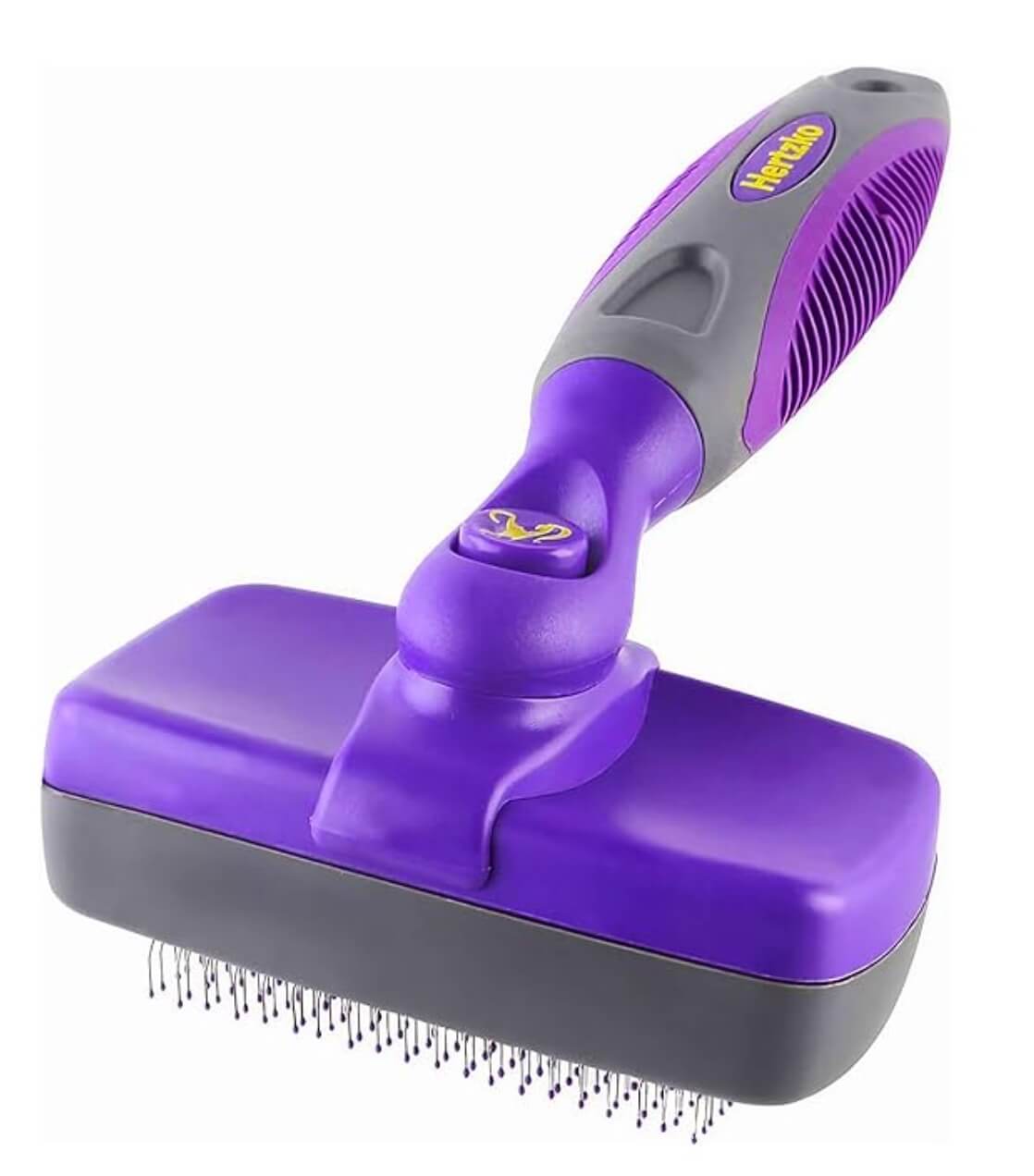
Best for heavier feathering and regular maintenance
Helpful for English/show-style coats and moderate American coats
Useful for keeping tangles and mats under control
Undercoat Rake
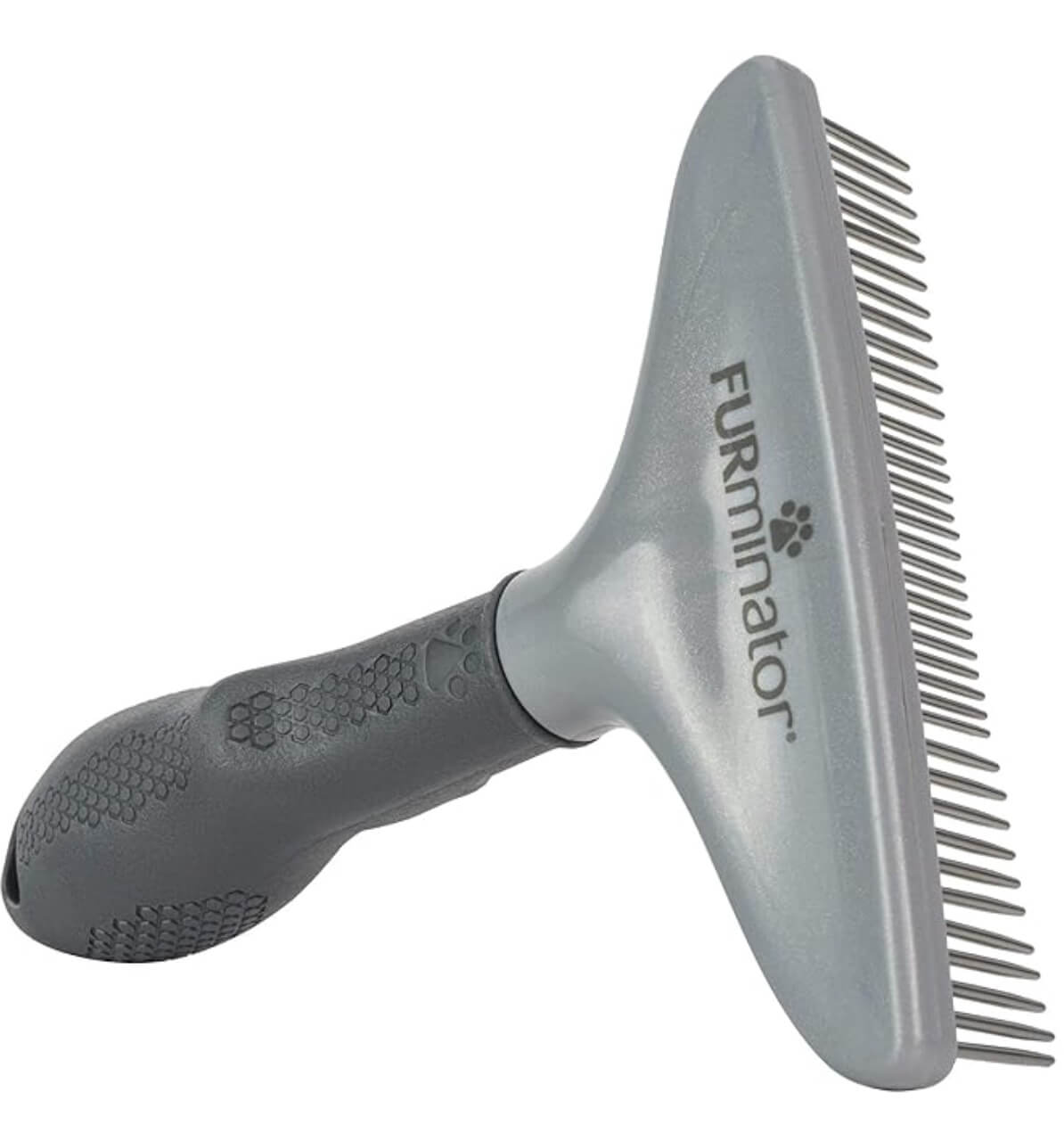
Best for dense double coats and seasonal shedding
Helps remove loose undercoat without shaving or over-trimming
Especially useful during spring and fall coat blow
If your Golden has heavier feathering or mats easily, start with a slicker brush. If shedding is your biggest problem, an undercoat rake is usually the better first tool.
Common Coat Myths Owners Should Ignore
There are a lot of coat myths around types of Golden Retrievers. A few to skip:
- 🐾
“English Cream Goldens don’t shed.”
False. Many cream Goldens have very dense coats and shed heavily. Shedding depends on genetics and grooming, not just color. - 🐾
“Shaving a Golden Retriever helps them stay cool and shed less.”
Shaving a Golden Retriever double coat can damage how it grows back and reduce natural temperature regulation. Strategic trimming and regular brushing are safer options. - 🐾
“Shorter field coats are low-shedding.”
Field Goldens may mat less, but they still shed. Hair length doesn’t magically change shed volume. - 🐾
“A dull coat always means bad food.”
Diet matters, but coat dullness can also come from health issues, parasites, allergies, or over-bathing. See our Golden Retriever skin allergies guide if you’re seeing chronic problems. - 🐾
“Color tells you everything about the line.”
You cannot accurately infer health, temperament, or working ability from color alone.
When Coat Changes May Signal a Health Problem
Normal shedding and puppy-to-adult coat changes are expected. But some coat changes deserve a closer look.
Sudden Thinning
Red flags:
- 🐾Rapid thinning of the coat in a previously full-coated Golden
- 🐾Noticeably less undercoat when brushing, without a normal seasonal pattern
Possible causes include hormonal issues (like hypothyroidism), stress, poor nutrition, or underlying illness. This is a veterinarian problem, not a grooming problem.
Patchy Hair Loss
Watch for:
- 🐾Circular or irregular bald spots
- 🐾Areas where hair pulls out very easily
- 🐾Visible irritation, scabs, or thickened skin
Patchy loss is different from general seasonal shedding. It may point to parasites, infections, or autoimmune conditions.
Skin Irritation
If you see:
- 🐾Red, inflamed skin
- 🐾Constant scratching, licking, or chewing
- 🐾Odor, greasiness, or flakiness
Your Golden may be experiencing allergies, infections, or a skin disease. Coat problems often start with skin problems. Our Golden Retriever skin allergies guide covers common patterns, but a veterinarian should confirm diagnosis and treatment.
Poor Coat Quality
Signs that your Golden’s coat is not as healthy as it should be:
- 🐾Brittle or very dry hair
- 🐾Excessive dandruff
- 🐾Coat that never looks clean or sleek, even with grooming
Consider:
- 🐾Diet quality
- 🐾Parasite prevention
- 🐾Over-bathing or harsh products
- 🐾Underlying health conditions
If regular grooming and a good diet don’t improve coat condition over time, consult your vet.
FAQ
What are the main Golden Retriever coat types?
Most owners describe three main Golden Retriever coat types:
American Golden Retriever coats (moderate to long with noticeable feathering), English / British Golden Retriever coats (often thicker, denser coats with heavy feathering), and field / working Golden Retriever coats (shorter body coat with more moderate feathering). All of them share the same double coat structure.
Do all Golden Retrievers have a double coat?
Yes. Every purebred Golden Retriever has a double coat made of a soft undercoat and protective outer coat. This is true for American, English, and field Goldens, and for all Golden Retriever coat colors from cream to dark golden. Shedding comes primarily from this undercoat, especially during seasonal coat blows.
Do English Cream Golden Retrievers shed less?
Generally, no. There is no reliable evidence that English Cream Golden Retrievers shed less than other Goldens. Many cream Goldens have very dense coats and can shed heavily. Shedding is influenced by genetics, health, environment, and grooming—not coat color alone.
What is different about a field Golden Retriever coat?
A field Golden Retriever coat is usually shorter on the body, with less extreme feathering and a more athletic overall look. It’s designed for practical work: fewer mats, quicker drying, and easier maintenance in the field. However, it is still a Golden Retriever double coat and will shed significantly, especially during seasonal coat blows.
How does a Golden Retriever puppy coat change to an adult coat?
A Golden Retriever puppy coat starts soft and fluffy. Around 3–6 months, feathering begins to appear on the legs, tail, and ears. Between 6–18 months and sometimes up to 2–3 years, the adult outer coat develops, the undercoat thickens, and the color may deepen slightly. It’s normal for your dog to look a bit uneven during this transition.
How should I groom my Golden based on coat type?
Heavier-coated English or show-type Goldens usually need more frequent brushing (3–5x/week) with a slicker brush, undercoat rake, and comb to manage feathering and undercoat. Moderate American pets and field Goldens can often do well with 2–4x/week brushing plus extra sessions during shedding seasons. For detailed routines, see our Golden Retriever grooming guide, grooming schedule, shedding guide, and best brushes guide.
Make Coat Care Easier
If you want a practical next-step routine, start with these focused guides:
- 🐾Best brushes for Golden Retrievers
- 🐾Golden Retriever shedding guide
- 🐾Golden Retriever grooming schedule
- 🐾Best shampoo for Golden Retrievers
Conclusion
Understanding Golden Retriever coat types is really about recognizing how length, density, feathering, and color vary within one breed that always has a double coat. American, English, and field Golden Retriever coats look different on the surface, but they all shed, all need regular grooming, and all protect your dog when cared for properly.
Instead of chasing myths about “non-shedding” lines or magical colors, focus on a realistic grooming routine, good tools, and attention to your dog’s skin and coat health. If you build a consistent brushing, bathing, and shedding plan—tailored to your Golden’s specific coat—you’ll keep them more comfortable, reduce matting, and have a much better idea of what’s normal for your dog over time.
For next steps, visit our Golden Retriever grooming guide, grooming schedule, shedding guide, best brushes guide, best shampoo guide, and Golden Retriever skin allergies guide to round out your coat-care toolkit.
P.S. Get the free Golden Retriever Owner Cheat Sheet — daily feeding, sleep, and care in one printable guide.
Get the Cheat Sheet when you join the newsletter — instant access in your welcome email.