
Golden Retriever Allergies Guide (Symptoms, Causes & Treatment)
GoldenRetriever.hair
By GoldenRetriever.hair
Golden Retrievers are prone to certain types of allergies, especially skin allergies. These allergies can cause persistent itching, redness, ear infections, and general discomfort that affects your dog’s quality of life—and often the household’s sleep and stress levels, too. Many owners first notice itchy Golden Retriever skin, paw licking, or recurrent ear problems and are unsure whether food, the environment, or something else is to blame.
The good news is that early identification and proper management can make a major difference. While allergies are usually a long-term condition rather than a quick “cure,” the right combination of veterinary care, home management, grooming, and nutrition can keep most Golden Retrievers comfortable and active.
This guide explains the common types of allergies in Golden Retrievers, symptoms to watch for, how allergies are diagnosed, and treatment and prevention strategies that owners can discuss with their veterinarian.
Common Types of Allergies in Golden Retrievers
Allergies in Golden Retrievers generally fall into three main categories:
- 🐾Environmental (atopic) allergies
- 🐾Food allergies
- 🐾Flea allergy dermatitis (FAD)
Some dogs may have a combination of these, which can:
- 🐾Make symptoms more severe.
- 🐾Require a multi-pronged management plan.
Environmental (Atopic) Allergies
These allergies occur when a dog’s immune system:
- 🐾Overreacts to airborne or contact substances, such as:
- 🐾Pollen.
- 🐾Grass.
- 🐾Dust mites.
- 🐾Mold spores.
Atopic allergies often:
- 🐾Develop in young adult dogs (frequently between 1–3 years of age).
- 🐾Cause seasonal or year-round itching, depending on the triggers.
Food Allergies
Golden Retriever food allergies are less common than environmental allergies but still occur. They usually involve:
- 🐾An immune response to specific proteins in the diet, such as:
- 🐾Chicken.
- 🐾Beef.
- 🐾Dairy.
- 🐾Eggs.
- 🐾Occasionally grains like wheat (though true grain allergies are less common than protein allergies).
Food allergies can cause:
- 🐾Itchy skin.
- 🐾Ear infections.
- 🐾Gastrointestinal upset in some dogs (vomiting, diarrhea), though not always.
Flea Allergy Dermatitis (FAD)
Some dogs are allergic to:
- 🐾Proteins in flea saliva.
Even a single flea bite can trigger intense itching for weeks in an allergic dog. FAD often:
- 🐾Causes intense scratching and chewing, especially:
- 🐾Around the tail base.
- 🐾On the hindquarters.
Strict flea control is essential for managing this type of allergy.
Symptoms of Allergies in Golden Retrievers
Allergies don’t always look like sneezing or runny noses in dogs. In Golden Retrievers, allergies most often show up as skin and ear problems.
Common dog allergy symptoms include:
- 🐾
Excessive scratching
- 🐾Persistent itching that may keep your dog (and you) awake.
- 🐾
Red or irritated skin
- 🐾Especially on:
- 🐾Belly.
- 🐾Groin.
- 🐾Armpits.
- 🐾Between toes.
- 🐾Especially on:
- 🐾
Licking or chewing paws
- 🐾Often leading to:
- 🐾Staining of fur.
- 🐾Moist, inflamed skin between toes.
- 🐾Often leading to:
- 🐾
Ear infections
- 🐾Allergic dogs frequently develop:
- 🐾Red, itchy ears.
- 🐾Wax buildup.
- 🐾Odor.
- 🐾The Golden Retriever Ear Cleaning Guide explains how routine ear care can help manage and prevent some allergy-related ear problems.
- 🐾If your dog is frequently scratching their ears, read our guide on Golden Retriever scratching ears constantly to better understand the cause.
- 🐾Allergic dogs frequently develop:
- 🐾
Hair loss or thinning coat
- 🐾Due to constant licking, chewing, or inflammation.
- 🐾
Hot spots
- 🐾Focal areas of moist, painful skin infection caused by intense licking or scratching.
Less commonly, some allergic dogs may also show:
- 🐾Gastrointestinal signs (especially with food allergies).
- 🐾Red or watery eyes.
If you notice any of these signs, it’s best to:
- 🐾Schedule a veterinary appointment rather than assuming it will go away on its own.
Environmental Allergies
Environmental allergies (also called atopy or atopic dermatitis) are very common in Golden Retrievers.
Common Environmental Triggers
Typical triggers include:
- 🐾
Pollens
- 🐾From trees, grasses, and weeds.
- 🐾
Household allergens
- 🐾Dust mites.
- 🐾Mold spores.
- 🐾
Outdoor substances
- 🐾Grasses and plants.
- 🐾Sometimes specific outdoor surfaces or chemicals.
Seasonal vs Year-Round Allergies
- 🐾
Some dogs itch more:
- 🐾In spring and summer (grass and weed pollen).
- 🐾In fall (certain weeds or molds).
- 🐾
Others itch year-round, especially if:
- 🐾Indoor triggers like dust mites are a major factor.
Managing Environmental Allergies
Management often includes:
- 🐾Regular bathing with dog allergy shampoos:
- 🐾Hypoallergenic or medicated shampoos can:
- 🐾Remove allergens from the coat.
- 🐾Soothe irritated skin.
- 🐾See gentle allergy or soothing shampoos under products, and ask your vet which type is appropriate.
- 🐾Hypoallergenic or medicated shampoos can:
A gentle, low-irritation shampoo like the one below can help remove allergens while protecting the skin barrier.
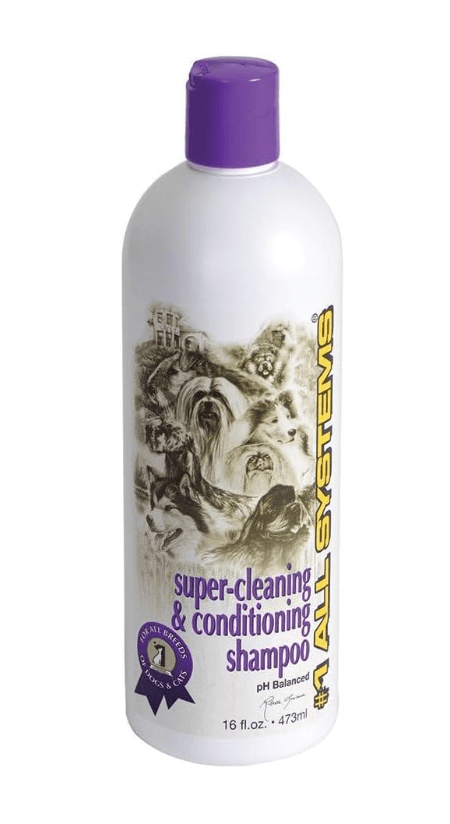
#1 All Systems Super Cleaning and Conditioning Pet Shampoo
Extra-gentle, low-sudsing shampoo that rinses clean with no residue — ideal for dogs with sensitive or allergy-prone skin.
- 🐾
Soothing skin sprays or wipes
- 🐾Topical products may help calm localized itching.
- 🐾
Medications (prescribed by your veterinarian)
- 🐾Antihistamines help some dogs.
- 🐾More advanced therapies (such as certain anti-itch medications or immunotherapy) may be recommended for chronic cases.
Regular grooming and coat maintenance—covered in the Golden Retriever Grooming Guide—are essential, especially for a breed with a thick double coat like the Golden Retriever.
Food Allergies in Golden Retrievers
Food allergies involve an immune reaction to specific ingredients in your dog’s diet.
How Food Allergies Develop
Food allergies typically:
- 🐾Develop over time, not suddenly after a brand change.
- 🐾Occur even if the dog has:
- 🐾Eaten the same ingredient for months or years.
The immune system begins to:
- 🐾Recognize certain proteins as “foreign invaders”.
- 🐾Trigger inflammatory responses in:
- 🐾Skin.
- 🐾Ears.
- 🐾Sometimes the digestive tract.
Common Food Allergy Triggers
Common culprits in Golden Retriever food allergies include:
- 🐾Chicken.
- 🐾Beef.
- 🐾Dairy.
- 🐾Eggs.
- 🐾In some cases, wheat or other grains.
It’s important to note that:
- 🐾True allergies are different from sensitivities or intolerances.
Our Golden Retriever Nutrition Guide covers broader food selection and nutrient needs. If food allergies are suspected, your vet may recommend:
- 🐾A novel protein or hydrolyzed protein diet as part of a diagnostic trial.
How Allergies Are Diagnosed
Diagnosing allergies in Golden Retrievers typically involves:
- 🐾Ruling out other causes of itching and skin disease.
- 🐾Identifying the most likely triggers.
Veterinary Examination
Your veterinarian will:
- 🐾Take a detailed history (onset, seasonality, diet, flea control, environment).
- 🐾Perform a thorough:
- 🐾Skin and coat exam.
- 🐾Ear exam.
They may also:
- 🐾Check for parasites (fleas, mites).
- 🐾Evaluate for skin infections (bacterial, yeast) that often occur secondary to allergies.
Elimination Diet Trials
To investigate food allergies, vets often recommend:
- 🐾An elimination diet trial, which involves:
- 🐾Feeding a diet with novel or hydrolyzed ingredients that your dog has not eaten before.
- 🐾Strictly avoiding all other foods, treats, and flavored medications for 8–12 weeks.
If symptoms improve on the trial and return when old foods are reintroduced:
- 🐾This supports a food allergy diagnosis.
Allergy Testing
For environmental allergies, your vet may discuss:
- 🐾Blood tests.
- 🐾Intradermal skin testing (often done by veterinary dermatologists).
These tests can help:
- 🐾Identify specific allergens for:
- 🐾Tailored allergy shots (immunotherapy) or oral drops.
Treatment Options for Golden Retriever Allergies
There is no single “magic cure” for Golden Retriever allergies, but a combination of strategies can greatly improve comfort.
Medications
Your veterinarian may prescribe:
- 🐾
Anti-itch medications
- 🐾To reduce scratching and improve quality of life.
- 🐾
Anti-inflammatories
- 🐾To reduce skin inflammation in moderate to severe cases.
- 🐾
Antibiotics or antifungal medications
- 🐾To treat secondary skin or ear infections.
Never start or stop prescription medications without veterinary guidance.
Topical Treatments
Topical approaches can help manage Golden Retriever skin allergies, including:
- 🐾
Dog allergy shampoos
- 🐾Medicated or hypoallergenic shampoos can:
- 🐾Wash off allergens.
- 🐾Soothe the skin.
- 🐾See allergy-friendly grooming products under products and confirm choices with your vet.
- 🐾Medicated or hypoallergenic shampoos can:
- 🐾
Soothing skin sprays or mousses
- 🐾May include ingredients like:
- 🐾Oatmeal.
- 🐾Aloe.
- 🐾Other skin-calming components.
- 🐾These can target localized irritation between baths.
- 🐾May include ingredients like:
For localized irritation, a gentle antimicrobial spray like the one below can help clean and soothe affected areas.
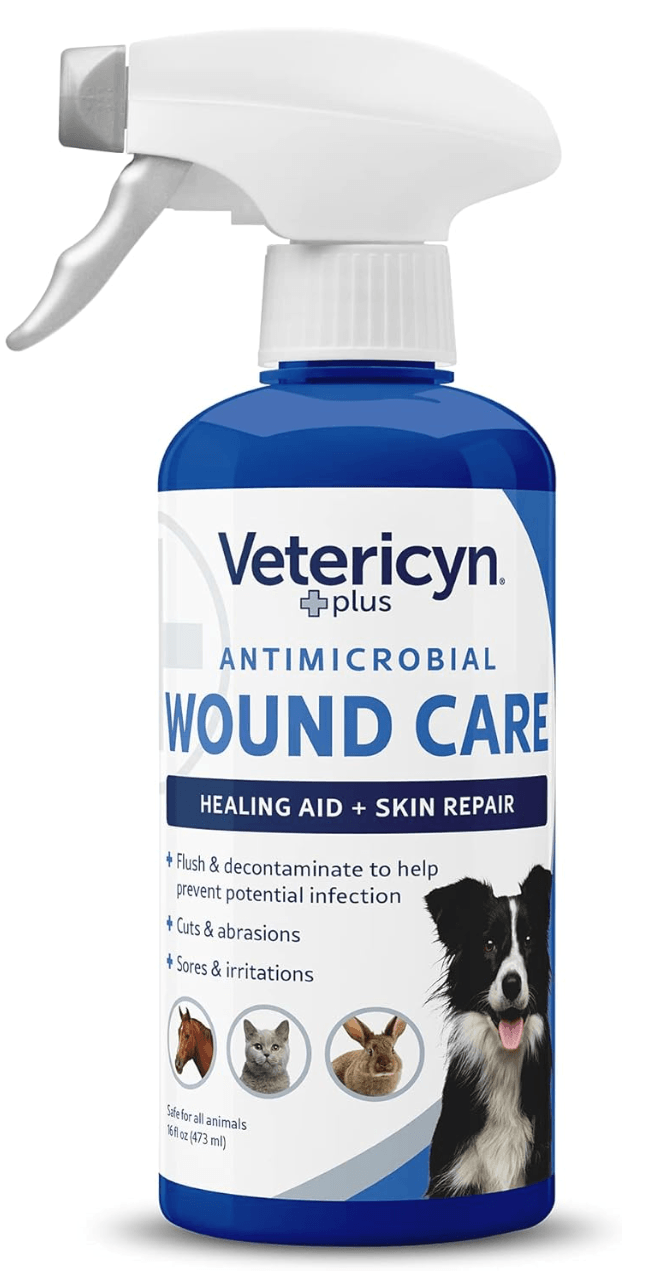
Vetericyn Plus Dog Wound Care Spray
Gentle antimicrobial spray that helps clean irritated skin, reduce bacteria, and support healing for allergy-related hotspots and skin inflammation.
Dietary Management and Supplements
For dogs with food allergies or sensitivities:
- 🐾A carefully chosen hypoallergenic or limited-ingredient diet can be central to treatment.
Additionally, some veterinarians recommend:
- 🐾Omega-3 fatty acid supplements
- 🐾From fish oil or other sources.
- 🐾To support skin barrier health and reduce inflammation.
- 🐾Look for omega supplements formulated for dogs under products, and use doses recommended by your vet.
Some dogs may also use:
- 🐾Allergy-support chews
- 🐾Formulated with ingredients aimed at skin and immune health.
- 🐾These are adjuncts, not replacements for veterinary-prescribed treatment.
Immunotherapy
For chronic environmental allergies:
- 🐾Allergen-specific immunotherapy (ASIT) (allergy shots or oral drops) may be recommended.
This treatment:
- 🐾Exposes the dog to small, controlled amounts of the allergens they react to.
- 🐾Over time, it can reduce sensitivity and symptom severity.
Immunotherapy is typically:
- 🐾Planned after allergy testing by a veterinarian or veterinary dermatologist.
Preventing Allergy Flare-Ups
While you may not be able to completely prevent allergies, you can reduce flare-ups with consistent care.
Regular Grooming and Bathing
Routine grooming:
- 🐾Helps remove:
- 🐾Pollen.
- 🐾Dust.
- 🐾Other allergens from the coat.
The Golden Retriever Grooming Guide explains how:
- 🐾Brushing.
- 🐾Proper bathing.
- 🐾Coat maintenance.
…are especially important for this double-coated breed.
Cleaning Paws and Underbelly After Walks
For environmental allergies:
- 🐾Wiping your dog’s paws and possibly belly with:
- 🐾A damp cloth or pet-safe wipes after outdoor walks can:
- 🐾Remove some irritants.
- 🐾Reduce itching.
- 🐾A damp cloth or pet-safe wipes after outdoor walks can:
Managing Diet Carefully
If food allergies are confirmed:
- 🐾Stick closely to:
- 🐾The recommended diet.
- 🐾Do not reintroduce old problem foods, even in small amounts.
The Golden Retriever Nutrition Guide offers additional help choosing balanced, high-quality diets.
Flea Prevention
For dogs with flea allergy dermatitis:
- 🐾Year-round, veterinarian-recommended flea prevention is critical.
Skipping doses can quickly lead to:
- 🐾Severe itching.
- 🐾Skin infections.
Frequently Asked Questions
Are Golden Retrievers prone to allergies?
Yes. Golden Retrievers are considered predisposed to allergies, especially:
- 🐾Environmental (atopic) skin allergies.
Their genetics, combined with their dense double coat and common living environments, make them one of the breeds more frequently seen with chronic skin and ear issues related to allergies.
What causes itchy skin in Golden Retrievers?
Itchy skin in Goldens is often caused by:
- 🐾Environmental allergens (pollen, dust mites, grass).
- 🐾Food allergies in some dogs.
- 🐾Flea allergy dermatitis.
Other conditions—such as:
- 🐾Parasites.
- 🐾Infections.
- 🐾Hormonal imbalances.
…can also cause itching, which is why a veterinary exam is essential for an accurate diagnosis.
Can Golden Retriever allergies be cured?
Allergies are usually a lifelong condition rather than something that can be truly “cured.” However:
- 🐾With proper diagnosis and a tailored management plan:
- 🐾Many dogs achieve excellent control of symptoms.
Treatments focus on:
- 🐾Reducing exposure to triggers.
- 🐾Supporting skin health.
- 🐾Controlling inflammation and infections.
When should I see a veterinarian?
You should schedule a veterinary visit if your Golden Retriever has:
- 🐾Persistent or intense itching.
- 🐾Red, inflamed, or smelly ears.
- 🐾Hair loss or recurrent hot spots.
- 🐾Bad odor from the skin despite grooming.
- 🐾Any signs of pain or behavioral changes linked to discomfort.
Early intervention:
- 🐾Helps prevent minor allergy symptoms from turning into:
- 🐾Chronic infections.
- 🐾Widespread skin problems.
Conclusion
Golden Retriever allergies—especially skin allergies—are common, but they don’t have to dominate your dog’s life. By understanding the types of allergies (environmental, food, and flea-related), recognizing early symptoms like itching, paw licking, and ear infections, and working closely with your veterinarian on diagnosis and treatment, you can keep your Golden much more comfortable. Regular grooming, thoughtful nutrition, appropriate allergy-support products, and consistent preventive care help reduce flare-ups and protect your dog’s skin and overall health. With a proactive approach, most allergy symptoms in Golden Retrievers can be effectively managed, allowing your dog to enjoy a happy, active life alongside you.
P.S. Get the free Golden Retriever Owner Cheat Sheet — daily feeding, sleep, and care in one printable guide.
Get the Cheat Sheet when you join the newsletter — instant access in your welcome email.