Golden Retriever Ear Cleaning Guide: How to Clean Safely & Prevent Infections
GoldenRetriever.hair
By GoldenRetriever.hair
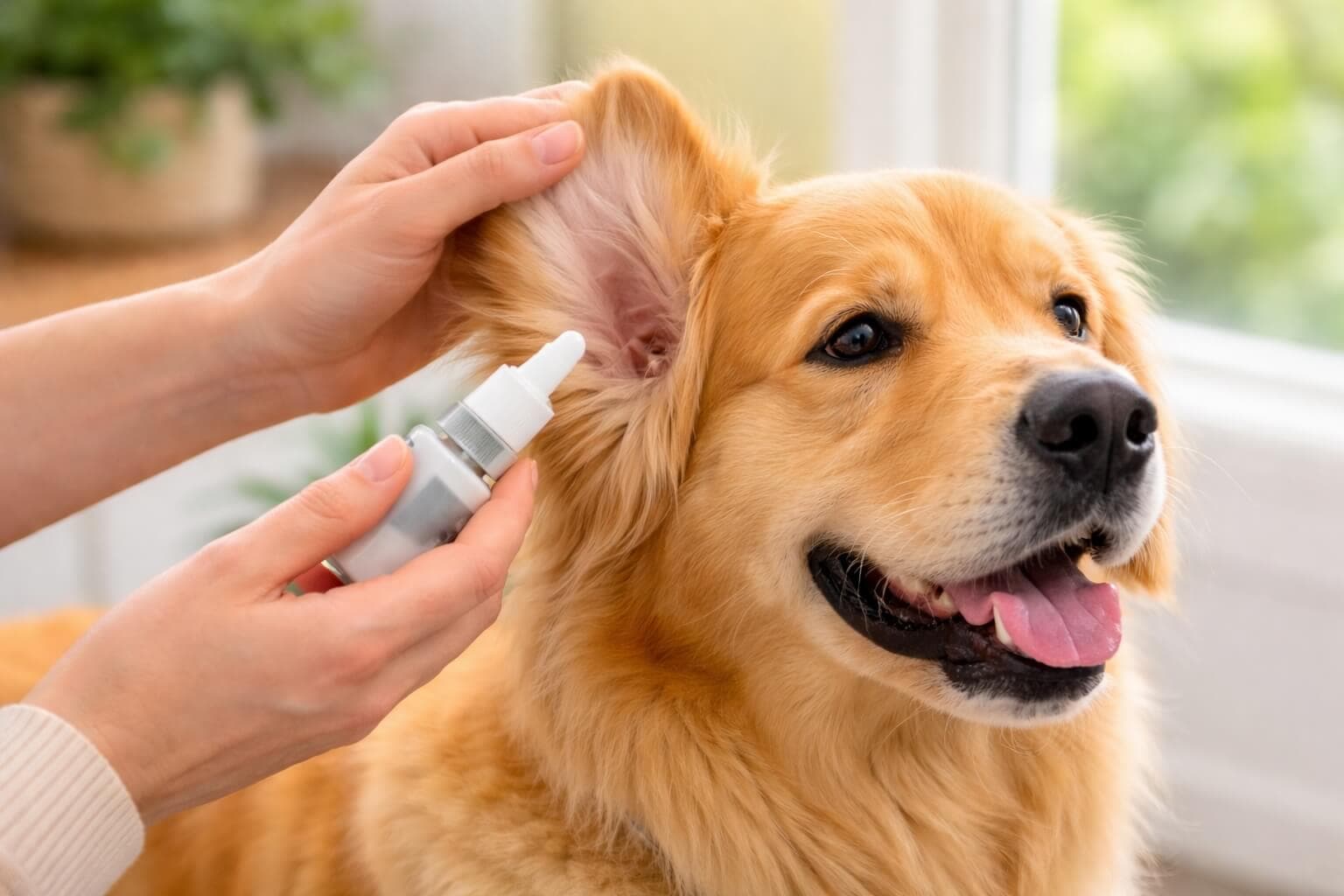
Golden Retriever ear cleaning is an essential part of grooming. Floppy ears trap moisture and limit airflow, making Goldens prone to ear infections. Regular, gentle ear care helps prevent problems — but cleaning the wrong way can cause harm. This guide explains why ear care matters for Golden Retrievers, how often to clean, how to clean safely at home, and when ear issues require a vet. You'll learn the right technique, what to avoid, and how to spot warning signs early.
Table of Contents
- 🐾Quick Answer: How Often Should You Clean a Golden Retriever's Ears?
- 🐾Why Ear Care Is Important for Golden Retrievers
- 🐾Signs Your Golden Retriever's Ears Need Cleaning
- 🐾How Often Should You Clean Golden Retriever Ears
- 🐾Step-by-Step Guide: How to Clean Golden Retriever Ears Safely
- 🐾Common Ear Cleaning Mistakes Owners Make
- 🐾Preventing Ear Infections in Golden Retrievers
- 🐾When to See a Veterinarian
- 🐾FAQ
Quick Answer: How Often Should You Clean a Golden Retriever's Ears?
Clean Golden Retriever ears weekly as a baseline — a light wipe with a vet-approved ear cleaner and cotton or a soft cloth. Do a deeper clean monthly or when you notice wax buildup. After swimming, dry the ears and consider a cleaning to remove moisture. Dogs with allergies or a history of ear infections may need more frequent care. Use only dog-safe ear cleaners — never hydrogen peroxide, alcohol, or vinegar at full strength. Don't use cotton swabs inside the canal; they can push debris deeper and damage the eardrum. If you see redness, odor, discharge, or your dog is scratching or shaking their head constantly, see your vet — that may indicate an infection. For a full routine, see our Golden Retriever grooming schedule and grooming guide.
Why Ear Care Is Important for Golden Retrievers
Floppy Ears and Moisture
Golden Retrievers have floppy ears that hang down and cover the ear canal. That design traps warmth and moisture and limits air circulation. Yeast and bacteria thrive in warm, humid environments. The ear canal becomes a perfect breeding ground for infection if moisture and debris accumulate. Regular ear care removes buildup and helps keep the canal drier — reducing the risk of ear infections.
Common Ear Problems in the Breed
Golden Retrievers are prone to yeast infections (often Malassezia), bacterial infections, and otitis externa (inflammation of the outer ear canal). Many Goldens with recurrent ear infections have underlying allergies — environmental or food — that inflame the ear canal and disrupt the normal barrier. See our skin allergies guide for more. Ear mites are less common in adult Goldens but can occur in puppies. For a full breakdown of ear infection types, symptoms, and treatment, see our Golden Retriever ear infections guide.
Signs Your Golden Retriever's Ears Need Cleaning
Odor
A mild, waxy smell can be normal. A strong, foul, or yeasty odor often indicates buildup or infection. If cleaning doesn't resolve it, see your vet.
Wax Buildup
Some wax is normal — it protects the ear. Excessive brown, dark, or sticky wax suggests it's time for a clean. Don't confuse normal wax with infection; infection often includes redness, odor, and discomfort.
Scratching or Head Shaking
Occasional scratching or head shake can be normal. Frequent scratching, pawing at ears, or rubbing the head on furniture or the floor suggests irritation or infection. Cleaning may help if it's just buildup; if it persists, a vet visit is needed.
Redness or Irritation
Healthy ear canals are pale pink. Redness, swelling, or raw-looking skin inside the ear or on the ear flap suggests inflammation or infection. Don't clean an inflamed ear without vet guidance — you can worsen the problem.
How Often Should You Clean Golden Retriever Ears
Typical Cleaning Schedule
- 🐾Weekly — Light wipe with vet-approved ear cleaner and cotton or a soft cloth. Cleans the visible part of the canal and removes surface debris.
- 🐾Monthly — Deeper clean: fill the canal with cleaner, massage the base, let your dog shake, then wipe. Good for maintenance when ears are healthy.
- 🐾After swimming — Dry ears with a towel and consider a cleaning to remove water and prevent moisture buildup.
Factors That Increase Ear Problems
- 🐾Swimming — Water in the canal promotes yeast and bacteria. Dry ears after every swim; clean if your Golden swims often.
- 🐾Allergies — Allergies inflame the ear canal and increase infection risk. Goldens with allergies may need more frequent ear care and vet-managed allergy treatment. See our skin allergies guide.
- 🐾History of ear infections — Dogs who've had infections before are more likely to have them again. Preventive cleaning and drying are especially important.
- 🐾Dense coat — Hair around the ear opening can trap moisture. Some owners trim or pluck excess hair with vet guidance — don't do this without instruction, as improper technique can cause problems.
Step-by-Step Guide: How to Clean Golden Retriever Ears Safely
Choosing a Dog-Safe Ear Cleaner
Use a vet-approved ear cleaner formulated for dogs. Look for a pH-balanced product that dissolves wax and dries the canal. Avoid hydrogen peroxide (can irritate), full-strength alcohol (drying and irritating), and vinegar unless your vet recommends a specific dilution. Human ear drops are not appropriate. Your vet or a pet supply store can recommend a suitable product.
A gentle, vet-approved ear cleaner like the one below can help safely remove wax and reduce the risk of infections in Golden Retrievers.
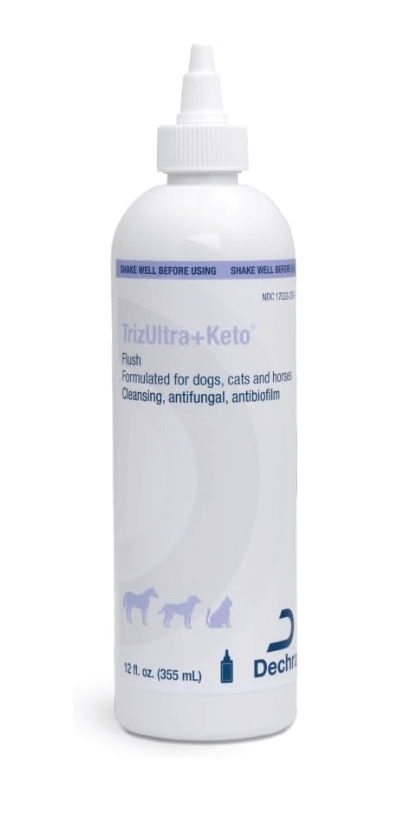
TrizULTRA + Keto Flush for Dogs, Cats & Horses
Gentle ear flush that helps clean debris, control yeast and bacteria, and support healthy ears in Golden Retrievers prone to infections.
Preparing Your Dog
- 🐾Choose a calm time — Not when your dog is excited or stressed.
- 🐾Have treats ready — Reward cooperation. Build positive associations.
- 🐾Position your dog — Sitting or standing, with good access to the ear. Some dogs do better with their back against you.
- 🐾Stay calm — Your dog picks up on anxiety. Speak softly and move gently.
Cleaning Technique
- 🐾Lift the ear flap — Gently hold it up to straighten the canal and improve access.
- 🐾Apply ear cleaner — Squeeze a small amount into the canal (follow product directions). Don't insert the tip deep into the canal — aim for the opening.
- 🐾Massage the base — With the ear flap held up, massage the base of the ear for 20–30 seconds. You'll hear a squishing sound. This helps the cleaner break up wax and debris.
- 🐾Let your dog shake — Step back and let your Golden shake their head. This brings debris toward the opening.
- 🐾Wipe the canal — Use a cotton ball, gauze, or soft cloth to wipe the visible part of the canal. Wipe only as far as your finger can reach — never use cotton swabs or probe deep into the canal.
- 🐾Repeat for the other ear — Use a fresh cotton ball or cloth for each ear to avoid spreading infection.
- 🐾Reward — Give a treat and praise.
Drying the Ear Properly
After cleaning (or swimming), gently dry the visible part of the canal with a soft, dry cloth or cotton ball. Don't force anything deep. Moisture left in the canal promotes yeast and bacteria — drying is an important step in preventing ear infections in Golden Retrievers.
Common Ear Cleaning Mistakes Owners Make
- 🐾Using cotton swabs — Q-tips and similar tools push debris deeper, can damage the eardrum, and risk injury if the dog moves. Wipe only the visible canal with cotton balls or a soft cloth.
- 🐾Over-cleaning — Cleaning too often can strip protective wax and irritate the canal. Weekly light cleaning and monthly deeper cleaning is usually enough. More may be needed only if your vet recommends it.
- 🐾Using harsh products — Hydrogen peroxide, alcohol, or vinegar at full strength can irritate or damage the ear. Use only dog-formulated, vet-approved cleaners.
- 🐾Cleaning an infected ear without vet guidance — If the ear is red, painful, or has discharge, see your vet first. Cleaning an infected ear with the wrong product can worsen it. Some infections require medicated drops, not routine cleaner.
- 🐾Ignoring the other ear — Always clean both ears, even if only one seems dirty.
- 🐾Skipping the massage — The massage step helps the cleaner reach wax and debris. Don't skip it.
Preventing Ear Infections in Golden Retrievers
Regular Ear Checks
Include ear checks in your Golden Retriever grooming routine. A quick daily look — redness, odor, discharge, head shaking — helps you catch problems early. Catching a mild issue before it becomes a full infection is easier to manage.
Drying Ears After Swimming
Goldens love water. After swimming, dry the ears with a towel. Gently wipe the ear flap and the opening of the canal. For frequent swimmers, a vet-approved ear dryer or a post-swim ear cleaner can help. Moisture is a major driver of ear infections — drying is one of the most effective preventive steps.
Maintaining Good Grooming Habits
Ear care fits into a broader grooming schedule. Brush regularly to reduce coat debris around the ears. Bathe with care — keep water and shampoo out of the ear canal. Use a gentle shampoo; see our best shampoo for Golden Retrievers for recommendations. For the full routine, see our grooming schedule and grooming guide.
When to See a Veterinarian
Signs of Infection
See your vet if your Golden has:
- 🐾Persistent head shaking or scratching — Especially if it doesn't improve with cleaning
- 🐾Redness, swelling, or raw skin in or around the ear
- 🐾Discharge — Yellow, green, brown, or black; may be thick, watery, or bloody
- 🐾Strong odor — Foul or yeasty smell that doesn't resolve with cleaning
- 🐾Pain — Pulling away, crying, or guarding when ears are touched
- 🐾Holding ear flat or tilting head — Can indicate infection or other ear issues
- 🐾Hearing changes — If your dog seems less responsive to sounds
Ear infections need proper diagnosis. Yeast, bacteria, and mites require different treatment. Your vet will use an otoscope and often cytology to identify the cause and prescribe the right medication. Guessing or using the wrong product can worsen the problem. For a full guide to ear infections, see our Golden Retriever ear infections guide.
Severe Irritation or Discharge
If cleaning causes pain, or if the ear looks worse after cleaning, stop and see your vet. Don't continue cleaning an infected or severely irritated ear without veterinary guidance.
FAQ
How often should you clean a Golden Retriever's ears?
Clean weekly with a light wipe using a vet-approved ear cleaner and cotton or a soft cloth. Do a deeper clean monthly or when you notice wax buildup. After swimming, dry the ears and consider a cleaning. Dogs with allergies or a history of ear infections may need more frequent care.
How do you clean Golden Retriever ears safely?
Use a vet-approved dog ear cleaner. Lift the ear flap, apply cleaner to the canal opening, massage the base for 20–30 seconds, let your dog shake, then wipe the visible canal with cotton or a soft cloth. Never use cotton swabs inside the canal. Dry the ear after cleaning. See our step-by-step guide above.
Why are Golden Retrievers prone to ear infections?
Floppy ears trap moisture and limit airflow, creating a warm, humid environment where yeast and bacteria thrive. The dense coat around the ears can trap moisture. Goldens also love swimming, which introduces water into the canal. Many Goldens with recurrent infections have underlying allergies. See our ear infections guide and skin allergies guide.
Can you use hydrogen peroxide to clean dog ears?
No. Hydrogen peroxide can irritate the ear canal and disrupt the normal environment. Use only vet-approved ear cleaners formulated for dogs. If your vet recommends a specific product or dilution, follow their instructions.
What are the signs of an ear infection in a Golden Retriever?
Head shaking, scratching at ears, redness, odor, discharge (brown, yellow, or green), pain when touched, holding the ear flat, or tilting the head. If you notice these signs, see your vet — infections need proper diagnosis and treatment. See our ear infections guide.
Should you clean your dog's ears after swimming?
Yes. Dry the ears with a towel after swimming and consider a cleaning with a vet-approved ear cleaner. Moisture in the canal promotes yeast and bacteria. Drying and cleaning after swimming are important for Golden Retriever ear infection prevention.
Conclusion
Golden Retriever ear cleaning is a key part of grooming. Clean weekly with a light wipe, do a deeper clean monthly, and dry ears after swimming. Use only vet-approved products and never cotton swabs inside the canal. Regular ear care helps prevent infections, but it can't eliminate risk — floppy ears and moisture will always be factors. If you see signs of infection (redness, odor, discharge, scratching, head shaking), see your vet. For more on ear infections, see our Golden Retriever ear infections guide. For the full grooming routine, see our grooming schedule, grooming guide, and best shampoo guide.
P.S. Get the free Golden Retriever Owner Cheat Sheet — daily feeding, sleep, and care in one printable guide.
Get the Cheat Sheet when you join the newsletter — instant access in your welcome email.