
Golden Retriever Senior Care Guide (Helping Your Dog Age Comfortably)
GoldenRetriever.hair
By GoldenRetriever.hair
Golden Retrievers are beloved family companions, and for many owners, the senior years are some of the most meaningful. Your dog may move a little slower, sleep a little more, and show some gray around the muzzle—but the bond you share is often deeper than ever. As your Golden ages, their needs change in important ways, and understanding those changes is key to keeping them comfortable, safe, and happy.
This Golden Retriever senior care guide explains:
- 🐾When Golden Retrievers are typically considered seniors.
- 🐾Common Golden Retriever aging signs to watch for.
- 🐾How to adjust exercise, diet, grooming, and the home environment.
- 🐾Important health concerns in older Golden Retrievers.
With thoughtful adjustments and proactive veterinary care, many Goldens enjoy long, comfortable senior lives.
When Is a Golden Retriever Considered a Senior?
There is no exact day a Golden Retriever becomes “senior,” but there are general age ranges and individual factors to consider.
Typical Senior Age for Golden Retrievers
As we discuss in the Golden Retriever Lifespan Guide, the average Golden Retriever lifespan is around 10–12 years, with some living longer with good genetics, care, and luck.
Common guidelines:
- 🐾Many Golden Retrievers are considered to be entering their senior years around 7–8 years old.
- 🐾Larger or less healthy dogs may show senior changes a bit earlier.
- 🐾Smaller, exceptionally fit, or long-lived individuals may stay more “middle-aged” until 8–9 years or beyond.
Think of “senior” as a life stage, not an on/off switch. Some 7-year-old Goldens are already slowing down; others still act like young adults. What matters most is:
- 🐾Watching your individual dog.
- 🐾Adjusting care based on their specific mobility, comfort, and health.
Common Signs of Aging in Golden Retrievers
Just like people, Golden Retrievers experience gradual changes as they age. Some are purely normal aging; others may indicate underlying health issues.
Physical Signs
Common physical Golden Retriever aging signs include:
- 🐾
Slower movement
- 🐾Taking longer to get up from lying down.
- 🐾Moving more carefully on stairs or slick floors.
- 🐾
Stiffness after resting
- 🐾Especially after sleep or long naps.
- 🐾May “warm up” and move more freely after a few minutes.
- 🐾
Changes in muscle tone and body condition
- 🐾Loss of muscle mass over the back and hindquarters.
- 🐾Tendency to gain weight more easily if calories aren’t adjusted.
- 🐾
Changes in coat
- 🐾More gray around the face and muzzle.
- 🐾Coat may become drier or thinner in some areas.
- 🐾
Changes in hearing or vision
- 🐾Slower to respond to verbal cues.
- 🐾Startling more easily.
- 🐾Hesitation in low light or on unfamiliar surfaces.
Behavioral Signs
Older Goldens may also show:
- 🐾
Decreased activity levels
- 🐾Shorter bursts of play.
- 🐾More interest in resting near you than constant movement.
- 🐾
Changes in sleep patterns
- 🐾Sleeping more hours per day.
- 🐾Restlessness at night or more daytime naps.
- 🐾Waking at different times during the night.
For what’s typical across life stages—and when sleep changes deserve a closer look—see our Golden Retriever sleeping guide.
- 🐾Mild confusion or slowing
- 🐾Taking longer to process cues.
- 🐾Occasional disorientation in new environments.
Gradual, subtle changes can be normal aging. However:
- 🐾Sudden or dramatic changes in mobility, appetite, behavior, or weight warrant a prompt veterinary exam.
Health Concerns in Senior Golden Retrievers
Senior Golden Retrievers are more prone to certain health conditions. Early recognition and proactive management can significantly influence comfort and quality of life.
Joint Problems and Arthritis
Many older Goldens develop:
- 🐾Osteoarthritis.
- 🐾Joint discomfort in:
- 🐾Hips.
- 🐾Elbows.
- 🐾Spine.
Hip dysplasia, a developmental issue described in the Golden Retriever Hip Dysplasia Guide (/guides/golden-retriever-hip-dysplasia), can:
- 🐾Predispose dogs to more significant arthritis in later years.
Management may include:
- 🐾Weight management.
- 🐾Joint-supportive diets or supplements (see senior dog supplements and mobility support products under
/products, and discuss specific options with your vet). - 🐾Pain management and anti-inflammatory medications prescribed by your veterinarian.
- 🐾Lifestyle changes (softer bedding, ramps, non-slip rugs).
Cancer Risk
Golden Retrievers unfortunately have a higher-than-average cancer risk, which is a major factor in senior Golden Retriever health.
Common cancers include:
- 🐾Hemangiosarcoma.
- 🐾Lymphoma.
- 🐾Mast cell tumors.
Our Golden Retriever Cancer Guide discusses these in detail.
Owners should watch for:
- 🐾New lumps or bumps.
- 🐾Unexplained weight loss.
- 🐾Lethargy or decreased stamina.
- 🐾Pale gums, bruising, or internal bleeding signs.
Regular veterinary checkups and early investigation of changes are crucial.
Other Age-Related Health Issues
Senior Golden Retrievers are also more prone to:
- 🐾Heart disease.
- 🐾Kidney or liver changes.
- 🐾Dental disease.
- 🐾Endocrine disorders (like hypothyroidism or Cushing’s disease).
Routine bloodwork, dental care, and physical exams help catch these conditions early so they can be managed effectively. For at-home brushing, plaque, and professional cleanings, see our Golden Retriever dental-care guide.
Adjusting Exercise for Older Golden Retrievers
Senior Golden Retrievers still need regular exercise—but the type, duration, and intensity often need adjustment.
As the Golden Retriever Exercise Needs Guide explains, physical activity is vital for:
- 🐾Joint health.
- 🐾Weight control.
- 🐾Mental well-being.
For quick daily totals by age (including seniors), see the companion Golden Retriever exercise chart.
Principles of Senior Golden Retriever Exercise
- 🐾
Lower impact, not no impact
- 🐾Gentle walks.
- 🐾Controlled off-leash movement on safe, soft surfaces.
- 🐾
Shorter, more frequent sessions
- 🐾Several shorter walks can be easier than one long one.
- 🐾
Warm-up and cool-down
- 🐾Start slowly so joints warm up.
- 🐾End with a calm, easy pace.
Exercise Ideas for Senior Goldens
- 🐾
Leashed walks on even surfaces
- 🐾Sidewalks, well-groomed trails, or grass.
- 🐾
Swimming (if your vet approves)
- 🐾Low-impact, joint-friendly exercise.
- 🐾Supervise closely and avoid slippery pool decks or steep riverbanks.
- 🐾
Gentle play
- 🐾Short games of fetch (on soft ground).
- 🐾Light tug with rules.
Avoid:
- 🐾High-impact activities like repeated jumping, intense frisbee sessions, or long runs on hard surfaces.
Watch for:
- 🐾Excessive panting.
- 🐾Lameness during or after activity.
- 🐾Prolonged stiffness the next day.
If you see these signs, adjust the routine and consult your veterinarian about the best senior Golden Retriever exercise plan.
Creating a Comfortable Environment for Senior Dogs
Your home environment can make a major difference in comfort for an aging Golden Retriever.
Supportive Dog Beds and Resting Areas
Older dogs often:
- 🐾Spend more time lying down.
- 🐾Develop pressure points if they sleep on hard surfaces.
Consider:
- 🐾A high-quality orthopedic dog bed designed for large breeds, which can:
- 🐾Cushion joints.
- 🐾Reduce stiffness after resting.
- 🐾Improve overall sleep quality.
- 🐾Options for orthopedic or memory-foam beds are often listed under
/products.
A durable, elevated bed like the one below can help reduce pressure on joints while keeping your Golden comfortable and supported.
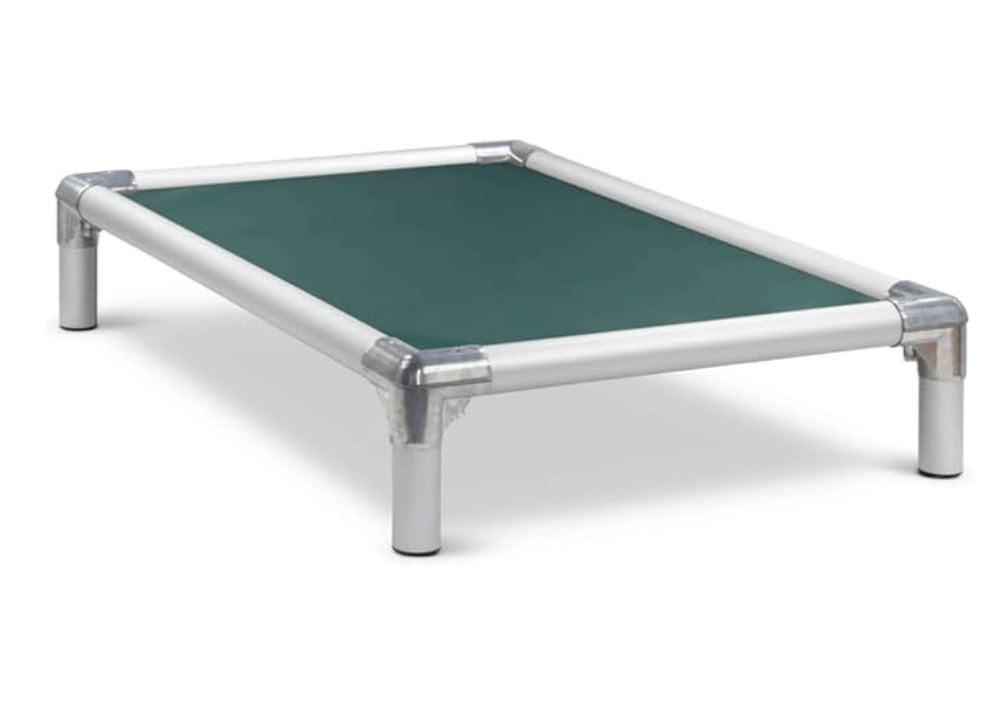
Kuranda Chewproof Elevated Dog Bed
Durable aluminum frame with chewproof fabric — elevated design helps reduce joint pressure, improve airflow, and make it easier for senior dogs to get up and down comfortably.
If your Golden is showing signs of stiffness or struggling to get comfortable, upgrading to a proper orthopedic bed can make a big difference:

Best for: joint support and all-day comfort for senior Golden Retrievers.
Supportive orthopedic bed designed to reduce pressure on joints, improve sleep quality, and help with stiffness after resting. Especially helpful for older dogs dealing with arthritis or mobility issues.
Place beds:
- 🐾In quiet, draft-free areas.
- 🐾Away from slippery entryways or high traffic.
Easier Access and Mobility Support
To help your senior Golden move around safely:
- 🐾Use non-slip rugs or runner mats on slick floors.
- 🐾Add ramps or stairs for:
- 🐾Getting on and off beds or couches (if allowed).
- 🐾Entering and exiting vehicles.
Mobility support products like:
- 🐾Support harnesses.
- 🐾Ramps for cars or stairs.
…can be especially helpful and are often found under mobility-related items in /products.
Simple changes like adding a ramp can reduce strain and make daily movement much easier:

Portable non-slip dog ramp designed to help large Golden Retrievers get into SUVs, trucks, beds, and couches more safely and comfortably.
Especially helpful for senior Goldens, dogs with arthritis or hip issues, and any dog that struggles with jumping. The traction grip surface and sturdy build make it a strong long-term support option.
Consistent Routine
Senior dogs usually benefit from:
- 🐾A predictable daily schedule:
- 🐾Consistent feeding times.
- 🐾Regular walk and potty times.
- 🐾Familiar sleeping spots.
Routine reduces:
- 🐾Stress.
- 🐾Confusion.
- 🐾Anxiety in older dogs experiencing sensory or cognitive changes.
Grooming and Skin Care for Aging Golden Retrievers
Grooming remains important throughout a Golden’s life—and in some ways becomes even more important in the senior years.
Our Golden Retriever Grooming Guide covers brushing, bathing, and coat care in detail. For seniors, focus on:
Coat and Skin Health
- 🐾
Regular brushing
- 🐾Prevents mats that can pull on the skin and cause discomfort.
- 🐾Helps distribute natural oils and keeps the coat healthy.
- 🐾
Checking for skin issues
- 🐾Look for:
- 🐾Lumps.
- 🐾Redness.
- 🐾Hot spots.
- 🐾Flaky patches.
- 🐾Senior dogs may be more prone to skin infections or growths that need veterinary attention.
- 🐾Look for:
Using appropriate grooming tools—like slicker brushes, undercoat tools, and gentle combs (see grooming products under /products)—makes the process more comfortable.
Ear and Nail Care
- 🐾
Ears
- 🐾Check regularly for:
- 🐾Redness.
- 🐾Odor.
- 🐾Discharge.
- 🐾Clean as advised by your veterinarian or groomer.
- 🐾Check regularly for:
- 🐾
Nails
- 🐾Older dogs may wear nails down less naturally.
- 🐾Overgrown nails can affect gait and contribute to joint discomfort.
Keep nails trimmed to a comfortable length to support healthy posture and movement.
Diet and Nutrition for Senior Golden Retrievers
As Golden Retrievers age, their metabolism and nutritional needs change.
Weight Management
Many senior dogs:
- 🐾Burn fewer calories.
- 🐾Gain weight more easily.
Excess weight adds stress to:
- 🐾Joints.
- 🐾Heart.
- 🐾Other organs.
Work with your veterinarian to:
- 🐾Choose an appropriate senior or adult maintenance diet.
- 🐾Adjust portion sizes to maintain a healthy body condition.
Supporting Muscle and Joint Health
Nutrition for aging Golden Retriever care often emphasizes:
- 🐾Adequate high-quality protein to maintain muscle mass.
- 🐾Joint-supportive nutrients (omega-3 fatty acids, glucosamine, chondroitin), either:
- 🐾Built into the diet.
- 🐾Provided as senior dog supplements recommended by your vet (see appropriate supplement categories under
/products).
Avoid:
- 🐾Sudden, drastic diet changes without veterinary guidance.
- 🐾Over-supplementing without understanding correct dosages.
Special Diets for Health Conditions
For seniors with:
- 🐾Kidney disease.
- 🐾Heart disease.
- 🐾Digestive sensitivities.
…your veterinarian may recommend:
- 🐾Prescription or therapeutic diets tailored to that condition.
Diet is a powerful tool in senior Golden Retriever dog care—always consult your vet before making major changes.
Monitoring Your Senior Golden Retriever’s Health
Proactive health monitoring is one of the most important parts of caring for an older Golden Retriever.
Veterinary Visits
For healthy senior Goldens, many veterinarians recommend:
- 🐾Checkups every 6–12 months, rather than once a year, to catch issues earlier.
Visits may include:
- 🐾Physical exams (listening to heart and lungs, checking joints, eyes, ears, skin).
- 🐾Weight and body condition checks.
- 🐾Bloodwork and urinalysis to monitor organ function.
Watching for Changes at Home
At home, keep an eye out for:
- 🐾Changes in:
- 🐾Appetite or thirst.
- 🐾Weight (loss or gain).
- 🐾Mobility and willingness to move.
- 🐾Breathing patterns or coughing.
- 🐾Bathroom habits (frequency, accidents, stool changes).
- 🐾Behavior (restlessness, anxiety, confusion, withdrawal).
Small changes, especially if they persist, can be early warning signs. Don’t wait for a problem to become severe—early intervention often leads to:
- 🐾Better outcomes.
- 🐾More treatment options.
Frequently Asked Questions
How long do Golden Retrievers usually live?
Most Golden Retrievers live around 10–12 years on average, though some live shorter or longer lives depending on genetics, health, and care. For a detailed discussion of lifespan statistics, risk factors, and how owners can support longer, healthier lives, see the Golden Retriever Lifespan Guide.
Do Golden Retrievers slow down as they age?
Yes, it’s normal for Golden Retrievers to gradually slow down as they age. You may notice:
- 🐾Shorter play sessions.
- 🐾More time spent resting.
- 🐾Stiffness after sleep.
Gradual changes are typical; sudden or severe slowing should be evaluated by a veterinarian, as it may indicate pain, arthritis, heart disease, or other health issues.
How much exercise does a senior Golden Retriever need?
Senior Goldens still benefit from daily exercise, but the plan should be tailored to their:
- 🐾Mobility.
- 🐾Joint health.
- 🐾Overall condition.
Many older Goldens do well with:
- 🐾Shorter, more frequent walks.
- 🐾Gentle, low-impact activity.
The Golden Retriever Exercise Needs Guide provides a framework; your veterinarian can help you customize it for your dog’s age and health.
What is the most common health problem in older Golden Retrievers?
Two of the most common issues in senior Golden Retriever health are:
- 🐾Joint problems and arthritis, especially in dogs with hip or elbow dysplasia.
- 🐾Cancer, which unfortunately affects Golden Retrievers at higher rates than many breeds.
Our Golden Retriever Hip Dysplasia Guide and Golden Retriever Cancer Guide cover these conditions in more detail. Regular veterinary care, healthy weight management, and early attention to new symptoms are critical.
Conclusion
Watching a Golden Retriever grow older can be bittersweet, but their senior years can also be incredibly rewarding. By recognizing when your dog is entering their senior stage—often around 7–8 years old—and making thoughtful adjustments to exercise, diet, grooming, and the home environment, you can greatly enhance their comfort and quality of life. Regular veterinary monitoring helps catch problems early, while supportive products like orthopedic beds, mobility aids, and appropriate supplements can ease age-related challenges. With proactive, compassionate care, many Golden Retrievers enjoy happy, comfortable, and deeply connected senior years alongside the families who love them.
P.S. Get the free Golden Retriever Owner Cheat Sheet — daily feeding, sleep, and care in one printable guide.
Get the Cheat Sheet when you join the newsletter — instant access in your welcome email.