Golden Retriever Licking Paws Constantly? Causes + What Actually Works
GoldenRetriever.hair
By GoldenRetriever.hair
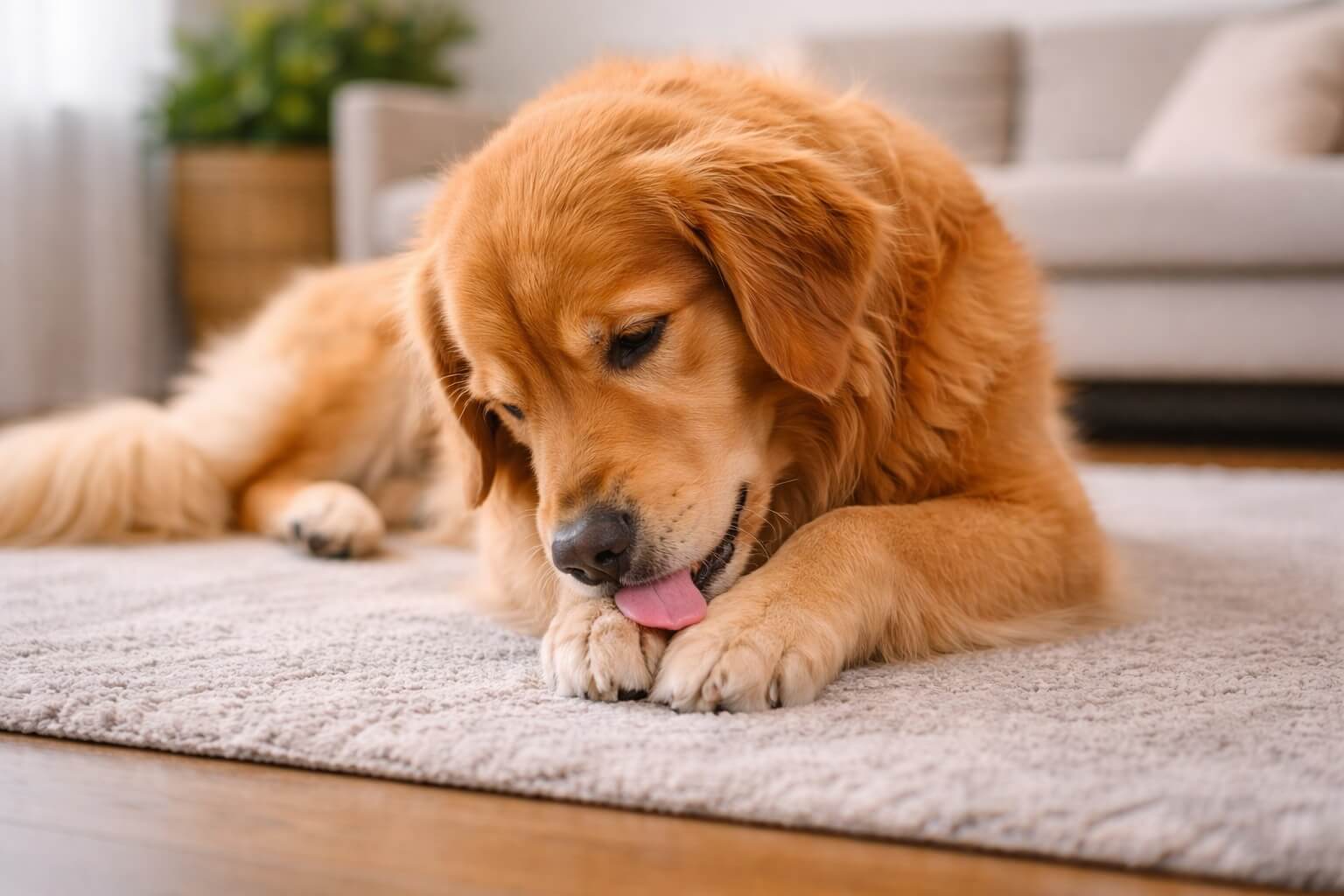
If your Golden Retriever is licking their paws constantly, you are right to pay attention. Occasional grooming licking is normal, but constant paw licking usually signals irritation, itch, discomfort, or pain—not a harmless quirk. Common drivers include allergies, yeast or bacterial overgrowth between the toes, trapped irritants from walks, dry or cracked paw pads, or injury and foreign material (splinters, burrs, cuts). Some dogs also lick more when bored or anxious, but that explanation fits best when the paws look healthy and other causes have been ruled out.
This guide is educational, not a diagnosis. It outlines likely reasons for Golden Retriever licking paws, practical steps that often help, and when to see a veterinarian so problems do not escalate into infections or raw skin.
Left unchecked, constant paw licking can turn mild irritation into raw skin, secondary infection, and much harder-to-break licking cycles.
Quick Answer
Golden Retriever licking paws most often traces back to:
- 🐾Allergies (environmental or food-related) inflaming the skin of the paws and between the toes.
- 🐾Yeast or bacterial overgrowth fueled by moisture, inflammation, or broken skin—sometimes with odor or greasy redness.
- 🐾Outdoor irritants—grass, pollen, lawn products, road salt, mud, or debris—clinging to paws and triggering Golden Retriever paw irritation.
- 🐾Dry, cracked, or worn pads from weather, heat, or rough surfaces, which can make Golden Retriever itchy paws worse.
- 🐾Injury or a foreign body (especially when one paw is targeted), with possible limping or sudden intense licking.
If you see marked redness or swelling, strong odor, bleeding, open sores, limping, or licking that does not improve within a few days, schedule a veterinary exam. Persistent golden retriever licking paws constantly deserves a professional look, not only home guesses.
Table of Contents
- 🐾Why Golden Retrievers Lick Their Paws So Much
- 🐾Most Common Causes of Paw Licking in Golden Retrievers
- 🐾Signs It May Be Allergies vs Infection vs Injury
- 🐾How to Stop Your Golden Retriever from Licking Their Paws
- 🐾What Actually Helps
- 🐾When to See a Veterinarian
- 🐾FAQ
- 🐾Conclusion
Why Golden Retrievers Lick Their Paws So Much
Golden Retriever paws spend all day on grass, pavement, floors, and bedding. They pick up pollen, dust, cleaners, salt, and microbes. When skin is even mildly inflamed, licking feels soothing for a moment—but saliva keeps the area damp, which can worsen yeast and bacteria, and the mechanical friction can damage skin. That cycle turns golden retriever licking paws into a self-reinforcing habit.
Many owners first notice intense licking at night, when the house is quiet and the dog finally settles. Nighttime focus does not prove a separate disease; it often means the itch was present all day and is simply more obvious when nothing else distracts them. For a fuller look at that pattern, see Golden Retriever itching at night.
Most Common Causes of Paw Licking in Golden Retrievers
Allergies
Environmental allergies (atopy) are one of the largest drivers of Golden Retriever paw allergies and golden retriever itchy paws. Pollen, grass, mold, dust mites, and other triggers deposit on the coat and feet. Food allergy is less common than environmental allergy as a sole cause but still belongs on the list when itch is year-round or not clearly seasonal.
Paws are often where owners first see symptoms: redness between toes, pink saliva staining on fur, and repetitive licking after being outside. For types of allergies, testing concepts, and long-term management, use our Golden Retriever allergies guide alongside your veterinarian’s plan.
If your Golden also keeps scratching their ears or shaking their head, read our Golden Retriever ear infections guide.
Yeast or bacterial overgrowth
Moisture between the toes plus inflammation can allow yeast (Malassezia) or bacteria to overgrow. That is not “dirty paws” alone—it is a skin barrier problem that often needs targeted treatment.
Signs that suggest infection or overgrowth:
- 🐾Odor (sometimes sweet or “corn chip” with yeast)
- 🐾Redness and heat between toes or around nail beds
- 🐾Brown or rust-colored staining from saliva
- 🐾Greasy, thickened, or raw skin in the webbing
Active infection typically requires vet-directed antifungals, antibiotics, or medicated wipes—not only home rinses. Do not apply harsh human products without guidance.
Irritants picked up outside
Grass, pollen, lawn chemicals, road salt, mud, and fine dirt can all irritate sensitive skin. Goldens with underlying allergies may react more strongly, but even non-allergic dogs can lick after contact with an irritant.
Wiping and rinsing paws after walks removes residue before your dog can lick it in for hours. That simple step often reduces flare-ups during allergy season or after messy outings.
Dry, cracked, or damaged paw pads
Cold, dry air, hot pavement, and rough trails can dry or abrade pads. Cracks and small fissures sting and trigger licking, which delays healing.
Routine pad care, conditioning, and seasonal precautions are covered in our Golden Retriever paw care guide. In winter, also see Golden Retriever cold weather guide for salt, ice, and paw protection strategies.
Injury, splinter, thorn, or foreign body
When only one paw gets obsessive attention, think localized injury: a cut, torn nail, splinter, foxtail, burr, or pebble between pads. Sudden onset, limping, or yelping when the foot is touched increases suspicion.
If you cannot see or safely remove debris, or pain continues, see a vet—deep foreign material or pad lacerations are not reliably DIY fixes.
Boredom or anxiety (secondary cause)
Some dogs lick when under-stimulated or stressed. Treat this as a secondary or amplifying factor when paws look normal on exam and medical causes have been addressed. If the skin is red, swollen, or odorous, assume itch or pain first and get veterinary input.
Signs It May Be Allergies vs Infection vs Injury
These patterns are clues for conversation with your vet, not a substitute for diagnosis.
More likely allergies
- 🐾Several paws involved (often front feet prominently)
- 🐾Seasonal worsening or clear flare after certain environments
- 🐾Other itch signs: belly, ears, face, or generalized scratching (see allergies guide)
More likely infection
- 🐾Odor, greasy skin between toes, progressive redness
- 🐾Staining and skin that looks raw or thickened
- 🐾Symptoms that worsen despite basic wiping or brief rest
More likely injury or foreign body
- 🐾One paw favored
- 🐾Sudden behavior change with licking or limping
- 🐾Localized tenderness, swelling, or visible wound
How to Stop Your Golden Retriever from Licking Their Paws
Owners searching for how to stop your golden retriever from licking their paws need both immediate relief and cause-focused steps. The list below is supportive care; it does not replace treatment when infection or significant pain is present.
- 🐾Wipe paws after walks to remove allergens and irritants (see What Actually Helps).
- 🐾Dry thoroughly between toes—trapped moisture feeds yeast and bacteria.
- 🐾Inspect pads, nails, and webbing for cuts, swelling, stickers, or cracked skin.
- 🐾Interrupt excessive licking temporarily if skin is breaking down (e.g., supervised time with a safe distraction, or vet-recommended recovery aids when appropriate)—constant licking worsens wounds.
- 🐾Contact your veterinarian if signs persist, worsen, or include limping, odor, or bleeding.
What Actually Helps
Wipe paws after walks
Paw wiping removes pollen, dirt, and chemical residue before your dog ingests or re-exposes the skin through licking. It is especially useful during allergy season, after muddy walks, or when salt and sidewalk treatments are on the ground.
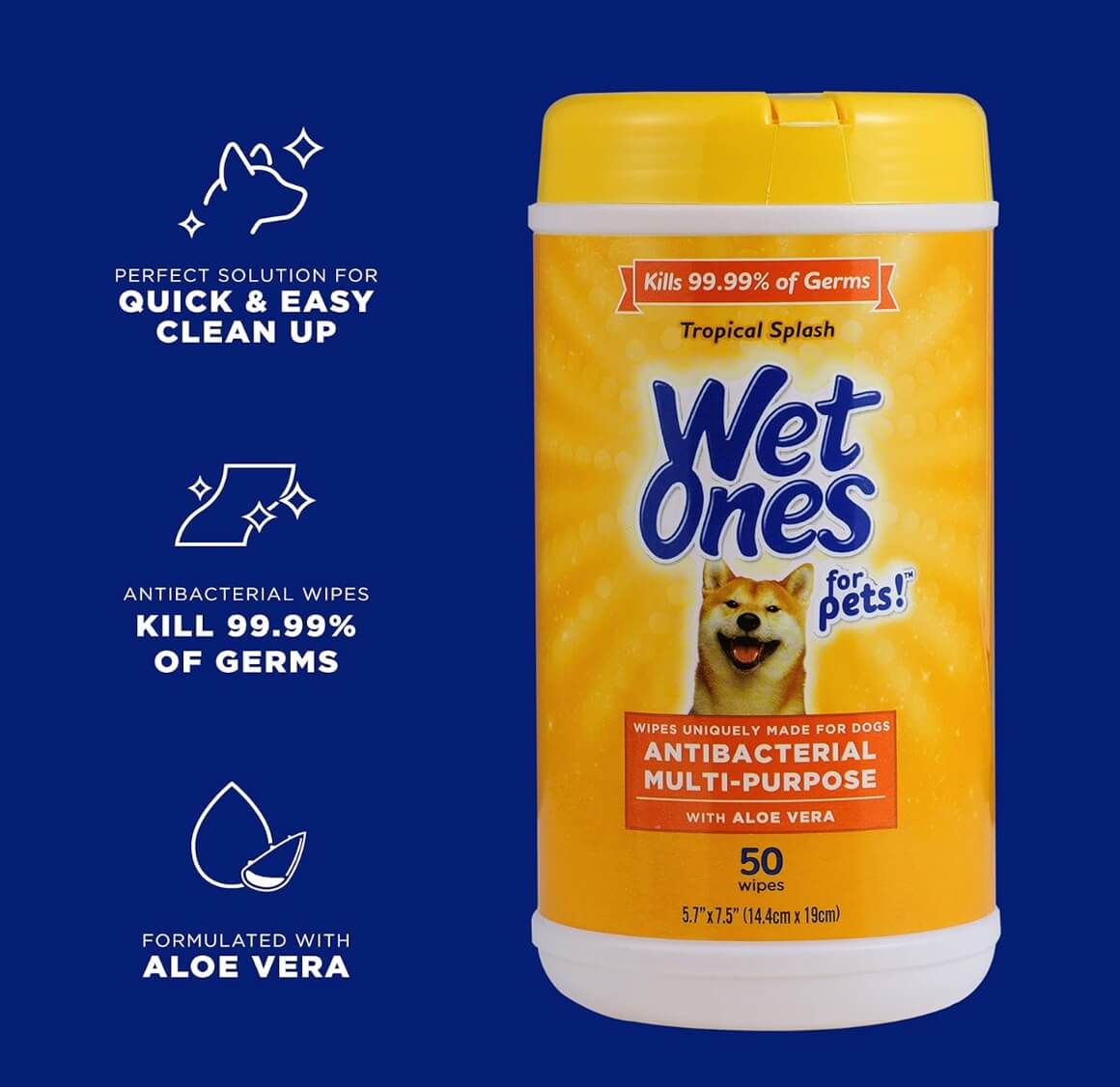
Wet Ones for Pets Antibacterial Dog Wipes
Multi-purpose dog wipes with aloe vera that help clean paws, reduce bacteria, and remove irritants after walks. Great for daily paw wipe-downs, itchy paws, and allergy-prone Golden Retrievers.
Bathing and gentle cleaning
Allergens and irritants also sit on the legs and belly. When your vet agrees bathing is appropriate, a gentle, dog-safe routine can lower the overall allergen load on skin and paws. Focus especially on the paws, lower legs, and belly after high-pollen, muddy, or irritant-heavy outings. Follow our Golden Retriever bathing guide for frequency and technique, and see best shampoo for Golden Retrievers for product selection principles—always match shampoo to your dog’s skin condition and your vet’s advice.
Paw balm for dry or cracked pads
Dry or cracked pads itch and sting, which drives golden retriever licking paws even when allergy is mild. A pet-safe paw balm can support barrier comfort and protect pads from rough or cold conditions. It complements—but does not replace—vet care if pads are infected or deeply split.
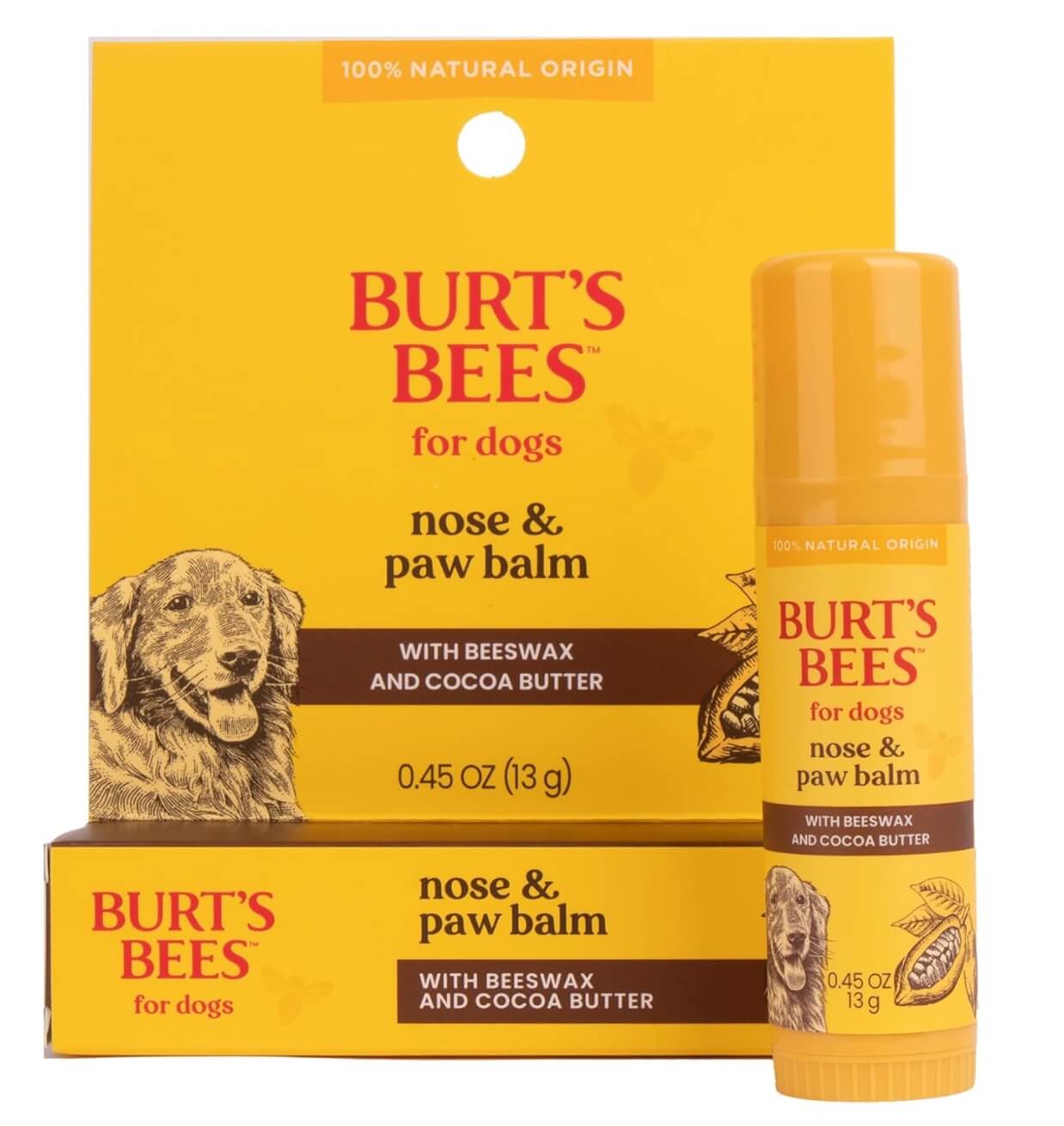
Burt's Bees for Pets Nose & Paw Balm
Natural paw balm with beeswax and cocoa butter that helps soothe and protect dry, cracked paw pads. Great for rough weather, dry conditions, and daily paw care in Golden Retrievers.
Address underlying allergies
Recurring Golden Retriever licking paws constantly often means allergies are still uncontrolled or undertreated. Long-term plans may include flea control, environmental management, diet trials when indicated, and prescription medications from your vet. Read Golden Retriever allergies guide and Golden Retriever skin problems guide for broader context on skin and coat disease.
Vet treatment when needed
Topical prescriptions, oral antibiotics or antifungals, anti-itch therapy, or allergy medications may be required when home care is not enough. Chronic licking can cause secondary infections and lick granulomas; early veterinary treatment usually shortens recovery and reduces complications.
When to See a Veterinarian
Book a visit if golden retriever licking paws continues more than a few days without improvement, or sooner if you notice:
- 🐾Redness, swelling, or heat in the feet or toes
- 🐾Foul odor or discharge
- 🐾Limping or reluctance to walk
- 🐾Bleeding, open sores, or raw patches
- 🐾Sudden intense licking of one foot
- 🐾Repeated episodes despite wiping and basic care
Your vet can examine the paws, assess for infection or foreign material, and recommend targeted treatment rather than trial-and-error alone.
FAQ
Why is my Golden Retriever licking their paws constantly?
Most often, constant licking means something itches, burns, or hurts: allergies, irritants, yeast or bacterial overgrowth, dry or cracked pads, or injury. Less commonly, boredom or anxiety contributes when paws are healthy and medical causes are unlikely.
Is paw licking always allergies?
No. Allergies are common, but infection, foreign bodies, pain, and irritant contact can look similar. Odor, one-limb focus, or sudden onset should push you toward a vet visit, not only an allergy assumption.
Why does my Golden lick paws more at night?
Nighttime often makes itch and discomfort more noticeable when your dog is still and you are more likely to hear licking. It does not automatically mean a separate “nighttime disease.” See itching at night for related patterns and tips—still involve your vet if paws look inflamed.
What can I do to stop my Golden Retriever from licking their paws?
Start with paw wiping, drying, inspection, and vet-recommended skin or allergy care. Interrupt destructive licking when skin is breaking down, and seek treatment for infection or pain. Long-term improvement usually requires treating the cause, not only blocking the behavior.
When should I worry about paw licking?
Worry sooner with odor, swelling, limping, bleeding, one-paw obsession, or licking that lasts beyond a short trial of gentle home care. Early care helps prevent deep infection and chronic lick lesions.
Conclusion
Golden Retriever licking paws constantly is usually a signal of discomfort, not a trait to ignore. Allergies, irritants, infection, dry pads, and injury account for the majority of cases; addressing them early helps prevent painful skin breakdown and costly complications.
Use our Golden Retriever paw care guide for ongoing maintenance, allergies guide if inflammation keeps returning, itching at night when timing is part of the story, and skin problems guide when itch extends beyond the feet. When in doubt, your veterinarian is the best partner for a safe, specific plan.
P.S. Get the free Golden Retriever Owner Cheat Sheet — daily feeding, sleep, and care in one printable guide.
Get the Cheat Sheet when you join the newsletter — instant access in your welcome email.