
Golden Retriever Sleeping Guide (How Much Sleep They Need & What’s Normal)
GoldenRetriever.hair
By GoldenRetriever.hair
Golden Retrievers are known for their playful energy—zoomies in the yard, endless fetch games, and enthusiastic greetings at the door. But if you live with one, you’ve probably also noticed the other side of the equation: they sleep a lot. Many owners find themselves wondering, “How much do Golden Retrievers sleep, and is this normal?”
Understanding Golden Retriever sleeping habits helps you:
- 🐾Recognize what’s healthy for your dog’s age and lifestyle.
- 🐾Support recovery and development with appropriate rest.
- 🐾Notice when changes in Golden Retriever sleep behavior might signal an underlying health issue.
This guide explains how much sleep Golden Retrievers need at different life stages, why they sometimes seem to sleep so much, what common sleeping positions can mean, and when to talk to your veterinarian about sleep changes.
How Much Do Golden Retrievers Sleep?
Sleep needs vary with age, activity level, and health, but there are reasonable ranges to expect.
Typical Daily Sleep Amounts
In general:
- 🐾
Adult Golden Retrievers:
- 🐾Usually sleep about 12–14 hours per day in total.
- 🐾This includes overnight sleep and daytime naps.
- 🐾
Golden Retriever puppies:
- 🐾Commonly sleep 16–20 hours per day.
- 🐾Short, intense play periods are followed by long naps.
- 🐾
Senior Golden Retrievers:
- 🐾Often sleep more than adults, especially with reduced activity levels.
- 🐾14–18 hours per day is not unusual, depending on health.
This might sound like a lot, but dogs don’t compress sleep into a single block like most humans do. They:
- 🐾Take multiple naps throughout the day.
- 🐾Enter and exit deeper stages of sleep more frequently.
Why Sleep Matters
Sleep supports:
- 🐾
Physical recovery
- 🐾Repairing muscles after exercise.
- 🐾Supporting immune function and organ health.
- 🐾
Brain development and memory
- 🐾Especially important in puppies—sleep helps consolidate learning.
- 🐾Adult dogs also process experiences and training during rest.
If you think of sleep as part of your dog’s health plan, not just “downtime,” the amount they rest begins to make more sense.
Golden Retriever Puppy Sleep Schedule
Golden Retriever puppies are master nappers. Owners are often surprised by:
- 🐾How quickly a puppy goes from full-speed play to deep sleep.
- 🐾How much of the day is spent resting rather than playing.
Why Puppies Sleep So Much
Puppies are going through:
- 🐾
Rapid physical growth
- 🐾Bones, joints, muscles, and organs are developing.
- 🐾
Intense brain development
- 🐾Learning about the world.
- 🐾Forming associations about people, places, and routines.
This kind of growth is metabolically expensive—sleep is the body’s way of:
- 🐾Conserving energy.
- 🐾Carrying out growth and repair processes.
What a Puppy Sleep Pattern Looks Like
Typical Golden Retriever puppy sleep schedule:
- 🐾Total daily sleep: 16–20 hours.
- 🐾Pattern:
- 🐾Short awake windows (play, eat, potty).
- 🐾Followed by naps that may last from 30 minutes to a couple of hours.
For a by-age puppy hour chart (complementary to this all-ages guide), see our Golden Retriever puppy sleep chart.
In the first weeks home:
- 🐾Nighttime may be broken up:
- 🐾One or more potty breaks.
- 🐾Some whining or restlessness as the puppy adjusts.
Our Golden Retriever First Week Home guide covers those first nights and how to establish early routines.
Structured Rest Is Important
It can be tempting to:
- 🐾Keep playing with a cute, awake puppy.
- 🐾Let them follow you constantly instead of napping.
But overtired puppies often show:
- 🐾Increased biting/mouthing.
- 🐾“Zoomies” and inability to settle.
- 🐾More barking or crying.
Building intentional nap times into your daily schedule—often in a crate or puppy pen—helps puppies:
- 🐾Learn to self-soothe.
- 🐾Get the rest they need to grow into healthy, well-adjusted adults.
Adult Golden Retriever Sleep Patterns
Once your Golden reaches adulthood (around 2–3 years for many dogs), sleep patterns become more predictable.
Overnight Sleep
Most adult Goldens:
- 🐾Sleep through the night, often 7–9 hours, if:
- 🐾They had adequate exercise and bathroom breaks during the day.
- 🐾They’re not dealing with medical issues or anxiety.
Bedtime routines help:
- 🐾Last potty break.
- 🐾Quiet wind-down (no rough play right before bed).
- 🐾Going to their usual sleeping spot (crate, dog bed, or owner’s bedroom).
Daytime Naps and Rest
Even active adults typically:
- 🐾Nap several times a day, especially:
- 🐾After walks or play.
- 🐾During quiet household periods.
It’s normal to see your Golden:
- 🐾Play or walk energetically for a while.
- 🐾Then flop down for a long, contented nap.
How Exercise Influences Sleep
As we outline in the Golden Retriever exercise needs guide:
- 🐾Healthy adults should get 1–2 hours of combined daily activity, including:
- 🐾Walks.
- 🐾Free play.
- 🐾Training sessions.
Well-exercised Goldens are more likely to:
- 🐾Sleep deeply and calmly, rather than pacing or pestering for attention.
Under-exercised dogs may:
- 🐾Sleep a lot but also:
- 🐾Wake frequently.
- 🐾Show restless or anxious behavior when awake.
Quality of exercise matters as much as quantity. A mix of:
- 🐾Physical work.
- 🐾Mental enrichment.
…generally leads to better sleep quality.
Senior Golden Retriever Sleep Changes
As Goldens age (roughly 8+ years), you can expect some changes in Golden Retriever sleep behavior.
Increased Sleep and Napping
Senior Goldens often:
- 🐾Spend more total hours asleep.
- 🐾Take longer or more frequent naps.
Reasons include:
- 🐾
Reduced activity
- 🐾Shorter walks or play sessions.
- 🐾More time spent resting to recover.
- 🐾
Age-related changes
- 🐾Joint discomfort (arthritis).
- 🐾Slower metabolism.
- 🐾Less stamina.
Our Golden Retriever lifespan guide explains how aging affects the body overall.
Nighttime Restlessness
Some seniors develop:
- 🐾Restlessness at night.
- 🐾Shifting sleep-wake cycles.
Potential causes:
- 🐾Pain or discomfort.
- 🐾Cognitive changes (canine cognitive dysfunction).
- 🐾Needing to potty more frequently.
If your senior Golden:
- 🐾Suddenly starts pacing at night.
- 🐾Seems confused or stuck in corners.
- 🐾Whines or barks during previously normal sleep periods.
…it’s important to talk to your veterinarian. These could be early signs of:
- 🐾Pain.
- 🐾Cognitive decline.
- 🐾Other medical issues.
Why Do Golden Retrievers Sleep So Much?
Owners often ask, “Why does my Golden Retriever sleep so much?” If your dog is otherwise healthy and behaving normally when awake, extra sleep is usually a feature, not a bug.
Physical Activity and Recovery
Goldens are:
- 🐾Active dogs that love to run, fetch, swim, and explore.
After physical exertion, the body needs:
- 🐾Time to:
- 🐾Repair muscle micro-tears.
- 🐾Restore glycogen stores.
- 🐾Normalize heart rate and respiration.
Sleep is when much of this recovery work happens.
Mental Stimulation and Processing
Mentally engaged dogs—especially intelligent breeds like Goldens—also need rest to:
- 🐾Process new information.
- 🐾Consolidate training.
- 🐾Reduce overall arousal.
If you provide:
- 🐾Training sessions.
- 🐾Puzzle toys.
- 🐾New experiences.
…you may notice your dog sleeps soundly afterward, just like a human after a mentally demanding day.
Breed Tendencies
Golden Retrievers naturally balance:
- 🐾High activity (when engaged) with
- 🐾Deep rest (when needs are met).
In a typical household:
- 🐾
They are often active in bursts:
- 🐾Morning exercise.
- 🐾Play when family members return home.
- 🐾
And spend much of the rest of the day:
- 🐾Napping near their people.
- 🐾Relaxing on beds, couches, or cool floors.
This pattern—burst of energy, long nap—is typical of many sporting breeds.
Common Golden Retriever Sleeping Positions
While there’s no scientific decoding of every posture, Golden Retriever sleeping positions can offer clues about comfort and security.
Curled Up
Description:
- 🐾Dog is in a tight ball, nose near tail, often with tail wrapped around body.
What it may indicate:
- 🐾Conserving warmth.
- 🐾Slightly more guarded or ready to move.
This is a very normal, neutral position, especially:
- 🐾In cooler rooms.
- 🐾In new environments.
Stretched Out (Side Sleeping)
Description:
- 🐾Dog lying on one side, legs extended.
Meaning:
- 🐾Dog feels comfortable and safe.
- 🐾Often seen during deeper, relaxed sleep.
Sleeping on Their Back (Belly Up)
Description:
- 🐾Dog on back, belly exposed, legs sometimes in the air.
Interpretation:
- 🐾High level of trust and relaxation.
- 🐾Position helps:
- 🐾Cool the body (exposed tummy).
- 🐾Release muscle tension.
Many Goldens default to this at home when they feel completely secure.
Leaning Against Owners or Furniture
Description:
- 🐾Dog napping with body or head pressed against a person or object.
Meaning:
- 🐾Strong desire for closeness and security.
- 🐾Comfort in physical contact.
Because Goldens are naturally people-oriented, it’s not surprising that many choose to:
- 🐾Sleep close to (or on) their humans whenever allowed.
When Sleeping Too Much Could Be a Problem
While most Golden Retriever sleeping habits are normal, there are times when increased sleep or lethargy should raise concern.
Warning Signs to Watch For
Contact your veterinarian if you notice:
- 🐾
Sudden, marked increase in sleep combined with:
- 🐾Loss of appetite.
- 🐾Weight loss or gain.
- 🐾Vomiting or diarrhea.
- 🐾Coughing or breathing changes.
- 🐾Lameness or obvious pain.
- 🐾
Lack of interest in normal activities
- 🐾No longer excited for walks or play.
- 🐾Ignoring favorite toys or people.
- 🐾
Difficulty waking or extreme listlessness
- 🐾Taking a long time to respond.
- 🐾Appearing weak when getting up.
Possible Medical Causes
Excessive sleep or lethargy can be associated with:
- 🐾Infections.
- 🐾Painful conditions (e.g., arthritis, injuries).
- 🐾Heart or lung disease.
- 🐾Endocrine disorders (e.g., hypothyroidism).
- 🐾Side effects of medications.
Because Golden Retrievers are also prone to certain health issues, including cancer and joint disease (see our lifespan guide), noticing and reporting changes in sleep patterns is part of good preventive care.
Differentiating Normal “Lazy Day” From a Problem
It’s normal for your dog to:
- 🐾Sleep more after a big outing or several active days in a row.
- 🐾Have a quieter day in bad weather or after a lot of stimulation.
However:
- 🐾If extra sleep persists for more than a few days.
- 🐾Or if any other concerning signs accompany it.
…it’s time for a vet check.
Helping Your Golden Retriever Sleep Well
You can support healthy Golden Retriever sleep by managing:
- 🐾Routine.
- 🐾Environment.
- 🐾Activity balance.
Consistent Daily Routine
Golden Retrievers are calmer when they know what to expect. A basic routine includes:
- 🐾Regular times for:
- 🐾Meals.
- 🐾Walks and play.
- 🐾Training sessions.
- 🐾Nighttime sleep.
Predictable patterns reduce:
- 🐾Anxiety.
- 🐾Overstimulation late at night.
Our first week home guide and behavior problems guide both emphasize how routine improves behavior and rest.
Comfortable Sleeping Area
Provide:
- 🐾A supportive bed or mat:
- 🐾In a quiet part of the home.
- 🐾Sized for a Golden’s body.
A supportive, elevated bed like the one below can improve airflow, comfort, and cleanliness—especially for larger breeds like Golden Retrievers.
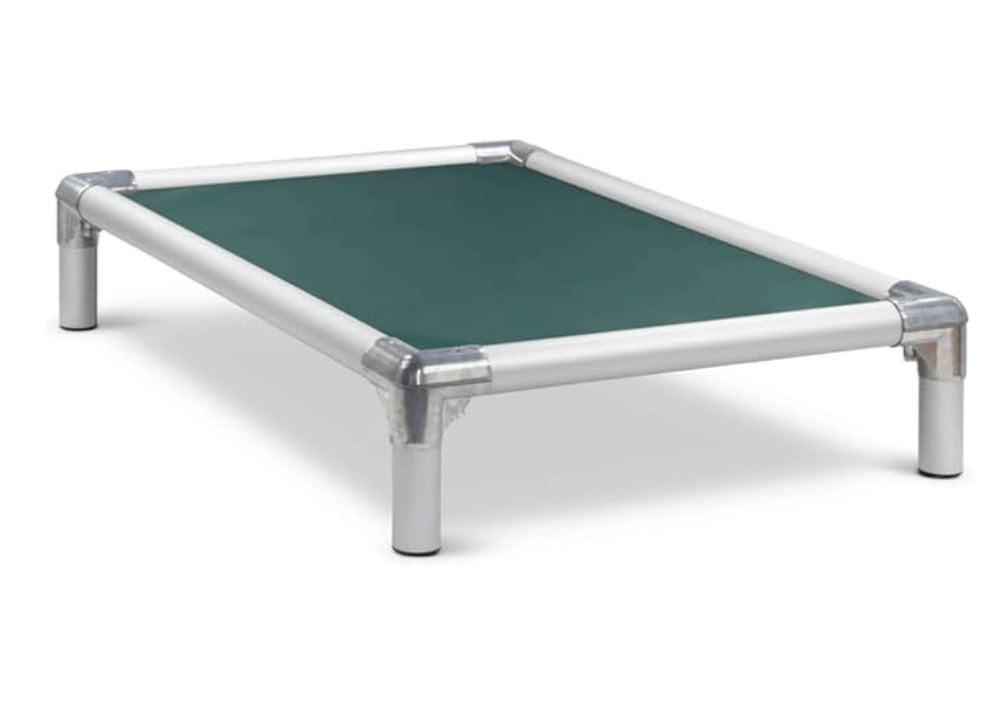
Kuranda Chewproof Elevated Dog Bed
Durable aluminum frame and chewproof fabric — elevated design improves airflow, keeps your dog cool, and makes cleaning easier. Especially useful for larger dogs or heavy shedders.
If your Golden Retriever has trouble settling or constantly shifts while resting, it may be a sign they need better support.
👉 We've found that upgrading to a proper orthopedic bed like this makes a noticeable difference in how well they sleep:
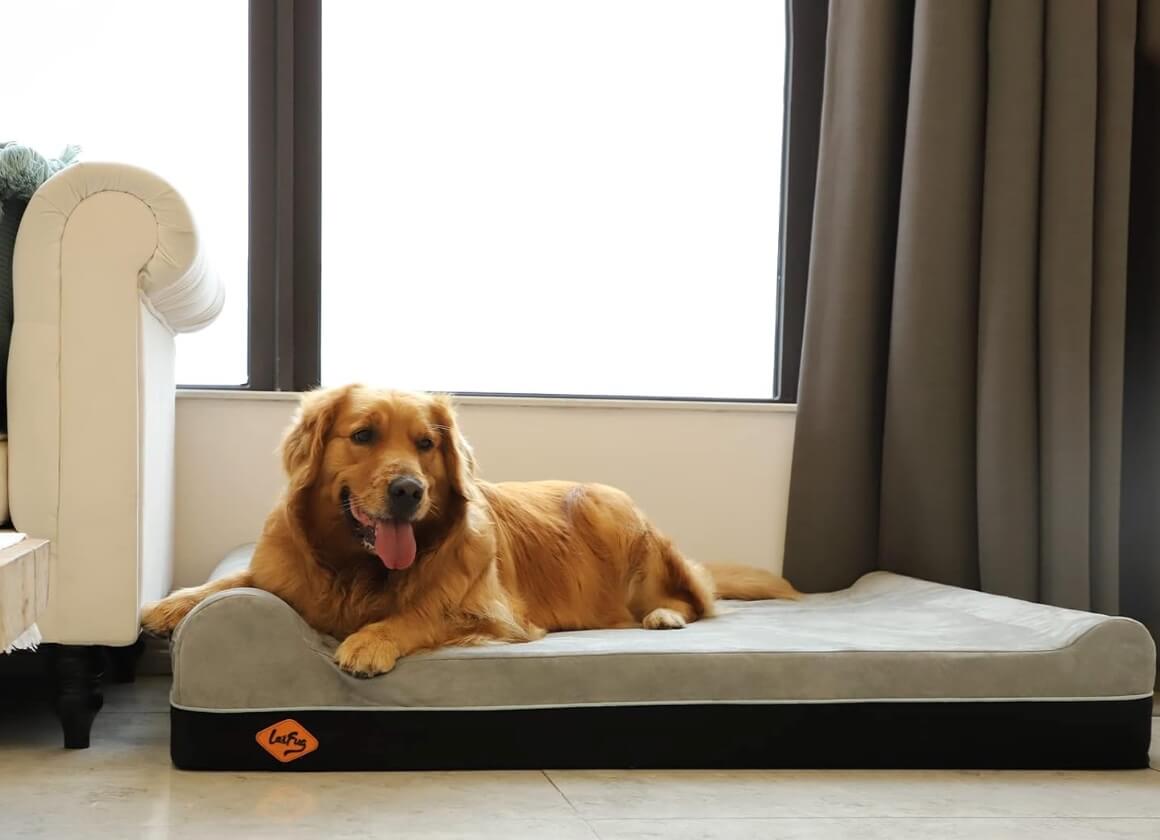
Best for: joint support and all-day comfort for large Golden Retrievers. Supportive orthopedic bed designed for larger dogs. Helps reduce pressure on joints and improves sleep quality — especially as your dog grows. A great long-term upgrade many owners switch to after basic beds wear out.
- 🐾Temperature-appropriate options:
- 🐾Cooler surfaces in hot weather.
- 🐾Warmer, padded beds in colder seasons.
For some dogs, a crate or covered bed can:
- 🐾Offer a den-like sense of security.
A properly sized crate can also create a quiet, consistent sleeping space—especially for puppies or dogs that benefit from structure.
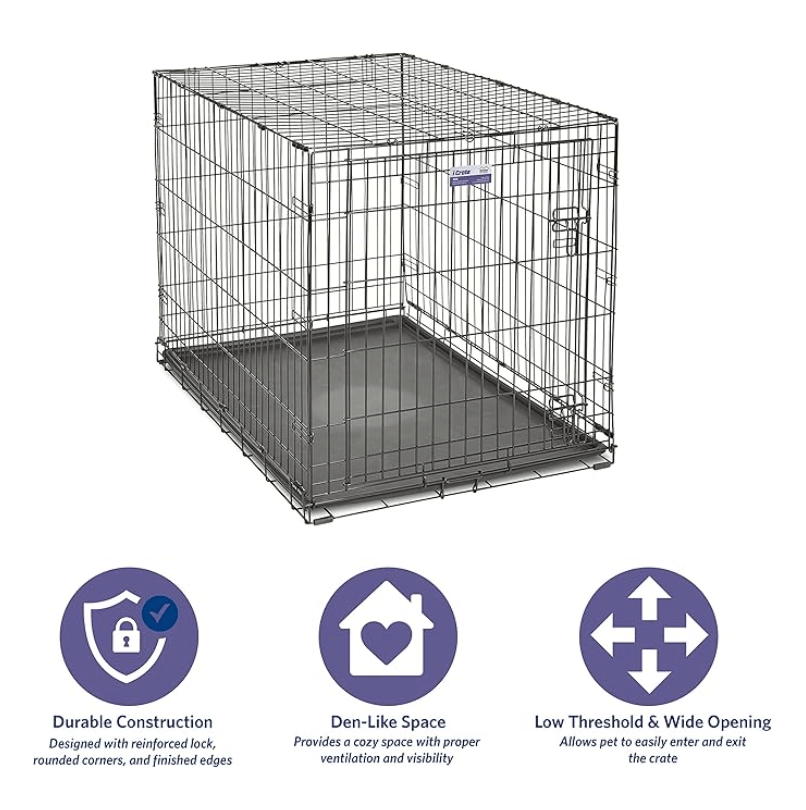
MidWest Homes for Pets iCrate Folding Dog Crate
Reliable folding crate for home or travel — provides a secure, den-like environment that helps many dogs settle and sleep more consistently.
If you want to give your puppy more room during the day while still keeping them safely contained, many owners pair their crate with a playpen like this:
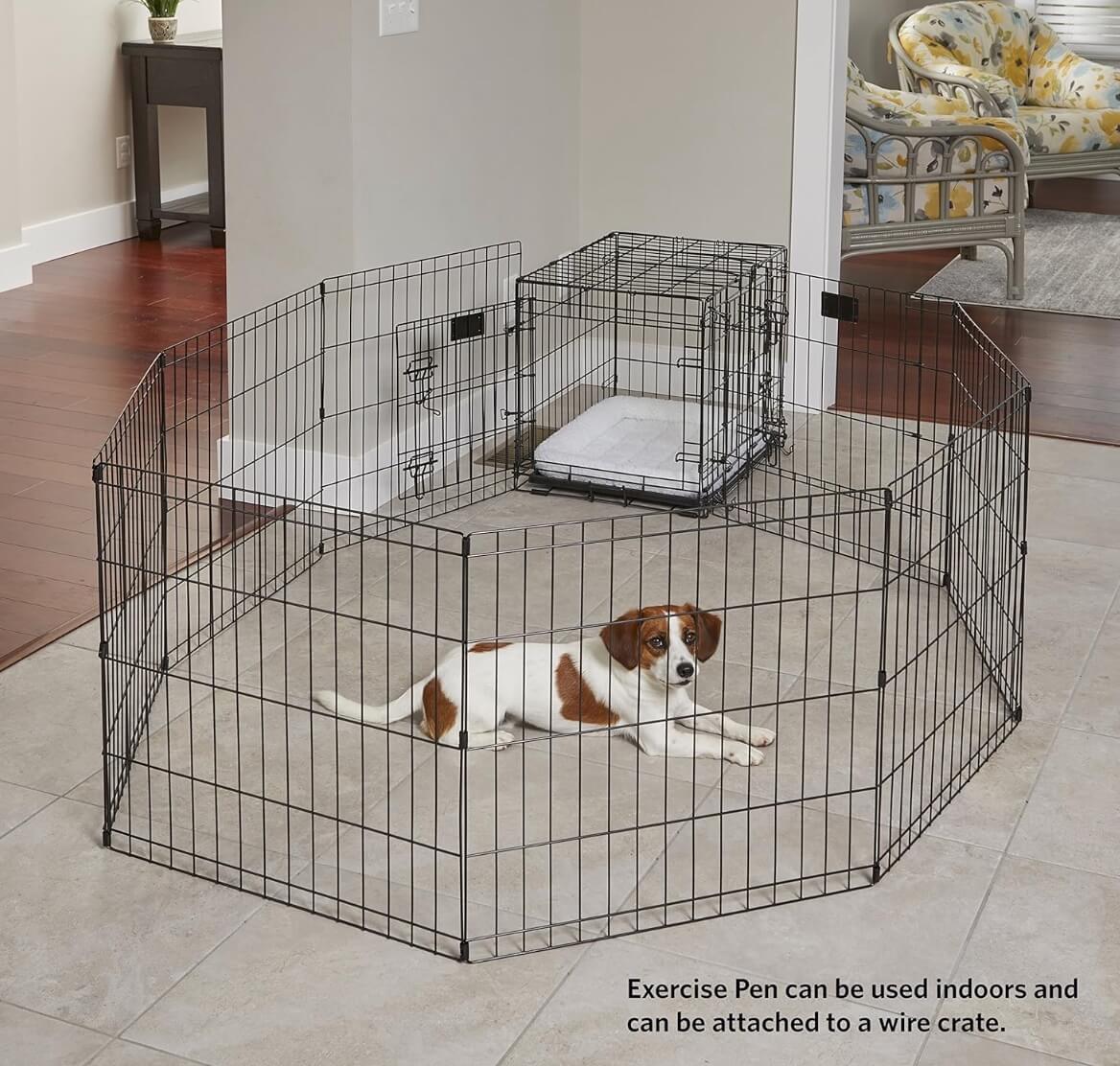
Proper Exercise Levels
Balance is important:
- 🐾Too little exercise → restlessness, poor-quality sleep, and behavior problems.
- 🐾Too much, too suddenly → soreness and over-fatigue, especially in puppies and seniors.
Use the exercise needs guide to:
- 🐾Match activity to age and health.
Mental Stimulation and Emotional Health
Mentally satisfied dogs sleep more peacefully:
- 🐾Incorporate:
- 🐾Training (obedience and fun tricks).
- 🐾Puzzle toys.
- 🐾Scent games.
Address:
- 🐾Separation anxiety or other stresses that interfere with relaxation:
- 🐾If your Golden can’t rest when you leave or seems hyper-vigilant, see our separation anxiety guide.
Managing behavior challenges with structure and enrichment—covered in the behavior problems guide—also contributes to better sleep.
Frequently Asked Questions
Why does my Golden Retriever sleep so much?
Golden Retrievers typically sleep 12–14 hours a day as adults, more as puppies and seniors. They balance bursts of activity with significant rest to:
- 🐾Recover physically from exercise.
- 🐾Process mental stimulation.
If your dog:
- 🐾Plays, eats, and interacts normally when awake, and
- 🐾Has no other signs of illness,
…sleeping a lot is usually normal for the breed.
Do Golden Retriever puppies sleep more than adult dogs?
Yes. Golden Retriever puppies often sleep 16–20 hours per day:
- 🐾They have short energy bursts followed by long naps.
- 🐾Sleep is crucial for:
- 🐾Growth.
- 🐾Brain development.
- 🐾Emotional regulation.
Over time, as they mature and routines solidify, sleep consolidates more into:
- 🐾Longer nighttime stretches.
- 🐾Fewer but still regular daytime naps.
Is it normal for Golden Retrievers to nap during the day?
Absolutely. Daytime naps are a normal part of canine sleep patterns:
- 🐾Adults often rest after:
- 🐾Walks.
- 🐾Play sessions.
- 🐾Meals.
As long as:
- 🐾Your dog perks up appropriately for normal activities.
- 🐾There are no other concerning symptoms.
…daytime napping is healthy and expected.
Should I wake my Golden Retriever if they are sleeping a lot?
In general:
- 🐾Let your dog sleep undisturbed, especially puppies and seniors.
Exceptions:
- 🐾If your dog is sleeping so deeply and long that:
- 🐾They repeatedly miss meals.
- 🐾They don’t respond normally when approached.
…or you see other symptoms of illness, you should:
- 🐾Wake them gently to check responsiveness.
- 🐾Contact your veterinarian for guidance.
For puppies:
- 🐾It’s appropriate to wake them for:
- 🐾Scheduled potty breaks.
- 🐾Gentle transitions into routine, as advised in our first week home guide.
Conclusion
Golden Retrievers may be famous for their joyful energy, but sleep is just as important a part of their lives. Across life stages:
- 🐾Puppies sleep the most to fuel rapid growth and learning.
- 🐾Adults balance active periods with solid overnight rest and daytime naps.
- 🐾Seniors often sleep more as activity levels and metabolism change.
Most Golden Retriever sleeping habits are normal, especially when paired with:
- 🐾Healthy appetite.
- 🐾Interest in play and walks.
- 🐾Stable behavior patterns.
Sudden or dramatic changes in sleep—especially combined with other symptoms—are a reason to consult your veterinarian.
By providing:
- 🐾A consistent routine.
- 🐾Appropriate exercise and mental stimulation.
- 🐾A comfortable, secure sleeping space.
…you support both rest and activity, helping your Golden Retriever stay healthy, happy, and well-rested throughout their life.
For more on supporting long-term well-being, see our guides on exercise needs, energy levels by age, senior care, puppy sleep chart, first week home, behavior problems, separation anxiety, and lifespan.
P.S. Get the free Golden Retriever Owner Cheat Sheet — daily feeding, sleep, and care in one printable guide.
Get the Cheat Sheet when you join the newsletter — instant access in your welcome email.