How to Tell If You’re Feeding Your Golden Retriever the Wrong Amount
GoldenRetriever.hair
By GoldenRetriever.hair
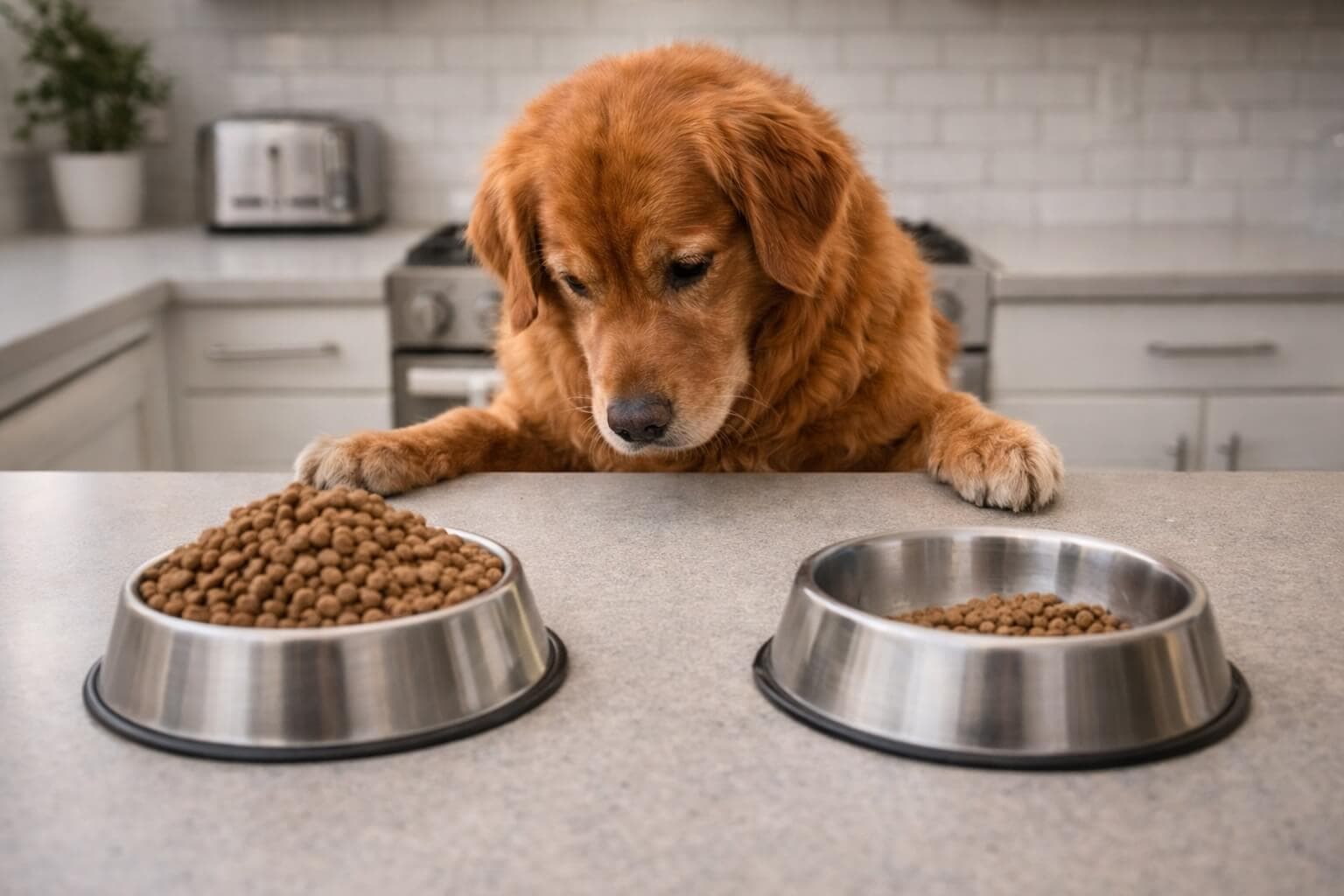
Most Golden Retriever owners are feeding the wrong amount—and don’t realize it until weight gain, low energy, digestive upset, or other health issues start to surface. The problem isn’t that you’re careless: Goldens almost always act hungry, even when they’re getting enough. That makes it incredibly easy to overfeed—or, less often, to underfeed while trusting the bag chart and a pair of pleading eyes.
Veterinarians routinely see gradual overfeeding turn into unnecessary weight gain over time, especially in food-motivated breeds—usually from slightly too-large scoops and “invisible” treat calories, not from one bad bag of kibble.
If you’re trying to figure out whether you’re feeding the wrong amount, this guide will help you spot the signs, avoid the most common feeding mistakes, and make smarter adjustments based on your Golden’s age, body condition, and activity level.
Quick Answer: Am I Feeding My Golden the Wrong Amount?
Skim this first—body condition and a level measuring cup beat appetite every time, especially in Goldens.
You may be feeding too much if…
- 🐾Weight is creeping up (scale or vet visits).
- 🐾The waist disappears when you look from above.
- 🐾Ribs are hard to feel—or you can’t feel them at all.
- 🐾Energy is lower than usual without another clear cause.
- 🐾Treats, chews, and extras pile on top of full meals most days.
You may be feeding too little if…
- 🐾Ribs, spine, or hips look or feel overly sharp with little cover.
- 🐾Your dog seems ravenous even after a measured, age-appropriate meal—paired with thin condition.
- 🐾Stamina drops on normal walks or play.
- 🐾Coat quality slips alongside weight loss, or weight won’t hold despite feeding “by the bag.”
Appetite alone is a poor guide—measure portions, look at the waist and ribs, and re-check how much should a golden retriever eat for your dog’s age and activity. If you’re unsure, it’s worth double-checking: many owners are off by more than they think.
For starting cup ranges by age and weight, use our Golden Retriever feeding chart—then walk through the sections below.
Why Golden Retrievers Are Easy to Overfeed
Golden Retrievers are famously food-motivated. Many will beg, counter-surf, and act like they’re starving after dinner. That behavior is not a reliable signal that they need more food.
Other reasons owners accidentally overfeed:
- 🐾Treats and chews are easy to forget when you mentally tally “how much they ate.”
- 🐾“Just a little extra” in the bowl adds up over weeks.
- 🐾Bag feeding charts are broad—they assume average activity and don’t include your training treats or table scraps.
How much should a Golden Retriever eat? There is a real answer, but it’s individual. Charts and guides (including our feeding schedule guide) give ranges; your dog’s waistline, ribs, energy, and vet’s input tell you whether you’re inside the right range.
Signs You May Be Feeding Too Much
These are practical, owner-friendly clues—not a diagnosis. Several together suggest overfeeding or too many extras (a common form of overfeeding a golden retriever).
- 🐾Weight creeping up on the scale or at vet visits.
- 🐾Loss of waistline when you look down from above (the body looks more tubular).
- 🐾Ribs hard to feel without firm pressure—or not felt at all.
- 🐾Low energy or sluggishness that isn’t explained by heat, age, or illness.
- 🐾Constant treat stacking (training treats, dental chews, peanut butter Kongs, and “just because” snacks) on top of full meals.
- 🐾Soft or frequent stools in some dogs when portions are large or changes are abrupt—always rule out parasites or diet intolerance with your vet if this persists.
If this sounds familiar, read our Golden Retriever weight and obesity guide for body-condition checks and long-term weight strategies.
If you’re noticing even a few of these signs, it’s worth re-checking portions and treat calories now.
👉 Get the Free Golden Retriever Cheat Sheet for a simple age-based feeding reference and daily care guide.
Signs You May Be Feeding Too Little
Signs you are feeding your golden retriever too little can be subtle, especially in a breed that always acts hungry.
- 🐾Ribs, spine, or hip bones visible or very easy to feel with no fat cover.
- 🐾Persistent food obsession after you’ve fed a measured, age-appropriate meal (different from normal Golden enthusiasm—pair with body condition).
- 🐾Low stamina on walks or play that isn’t explained by heat, pain, or illness.
- 🐾Coat looking dull or thin alongside weight loss—many causes exist, so involve your vet.
- 🐾Difficulty maintaining weight despite eating what the bag recommends.
Puppies, adolescents, and nursing dogs have higher needs; seniors may need fewer calories but still enough quality protein. If you’re unsure, your vet should rule out parasites, malabsorption, or other conditions before you simply increase food.
The Biggest Feeding Mistakes Golden Owners Make
Most golden retriever feeding mistakes don’t come from choosing the “worst” dog food—they come from small daily errors that quietly add up: a rounded scoop here, forgotten treats there, and trusting a performance-starving stare at the bowl.
These are the usual culprits behind how to tell if you’re feeding your Golden Retriever the wrong amount in real life:
- 🐾Using the same portion regardless of activity level—a low-activity Golden and a high-activity Golden should not eat identical amounts on the same food.
- 🐾Ignoring treat calories — one of the most common reasons dogs become overweight—dental chews, training bites, peanut butter fills, and table tidbits count. Budget them as part of the day’s calories, not as a free side.
- 🐾Failing to adjust by age—growth phases and senior years change needs; sticking to “what we always did” is how portions drift wrong.
- 🐾Treating constant begging as proof of hunger—often it’s routine, boredom, or reinforcement—not a mandate for a bigger meal.
- 🐾Free-feeding or eyeballing—grazing hides totals; inconsistent scoops make overfeeding a golden retriever almost inevitable over months.
For meal timing and structure, see how often to feed a Golden Retriever.
How Age Changes How Much a Golden Retriever Should Eat
You don’t need another full golden retriever feeding guide duplicated here—think of this as how age shifts the dial so you know when to re-check portions.
Puppy
Puppies need enough calories for growth but not unlimited food; rapid excess weight can stress developing joints. Meals are more frequent, portions change quickly month to month. Use our puppy feeding schedule chart alongside your vet’s growth checks.
Adult
Most adults thrive on two measured meals per day. Activity, spay/neuter status, and food calorie density change how many cups land in the right range. Our feeding chart is the best place for starting cup ranges—then adjust using body condition.
Senior
Older Goldens may need fewer total calories but still need high-quality protein and sometimes joint-friendly formulas. Appetite changes can also signal pain or disease—don’t ignore a senior who suddenly won’t eat or who drops weight. Our senior care guide covers broader aging needs.
How to Check If Your Golden Is at a Healthy Weight
Use a simple visual and hands-on check between vet visits:
- 🐾Look from above — you should see a slight waist behind the ribs.
- 🐾Look from the side — the belly should tuck up modestly behind the ribcage, not hang in a straight line with the chest.
- 🐾Feel the ribs — with light pressure, ribs should feel like the backs of your knuckles, not sharp spikes and not buried under a thick pad.
That’s the same waist / rib language vets use in clinic to talk about healthy condition—your hands and eyes are low-tech, but they work.
Disclaimer: This is education, not a substitute for your veterinarian. Pregnancy, heavy coat, medical conditions, and muscle vs. fat can all change what you see and feel. If you’re unsure, book a body condition review with your vet.
What to Do If You Think You’re Feeding the Wrong Amount
Work methodically—small, trackable changes beat yo-yo dieting.
- 🐾Track current intake for 5–7 days: meals, treats, chews, and “tastes” from the table.
- 🐾Measure food accurately—same cup, level (not heaping), or weigh kibble in grams if your food lists calories per kilogram.
- 🐾Reduce treats first if overfeeding is likely; swap volume for low-calorie training treats when you still need rewards (see tools below).
- 🐾Transition gradually if you change foods—follow bag or vet guidance to avoid GI upset.
- 🐾Monitor body condition every 1–2 weeks—photos from the same angle help.
- 🐾Call your vet if weight changes are rapid, appetite is off, or you see vomiting, diarrhea, or lethargy.
Choosing a calorie-appropriate food matters too—our best dog food for Golden Retrievers guide walks through quality options by life stage.
Tools that make portioning easier
A slow feeder can help dogs who gulp meals—useful when you’re trying to feed measured amounts without post-meal regret. Airtight storage keeps kibble consistent (stale food can throw off appetite). Small training treats let you reward behavior without silently doubling daily calories.
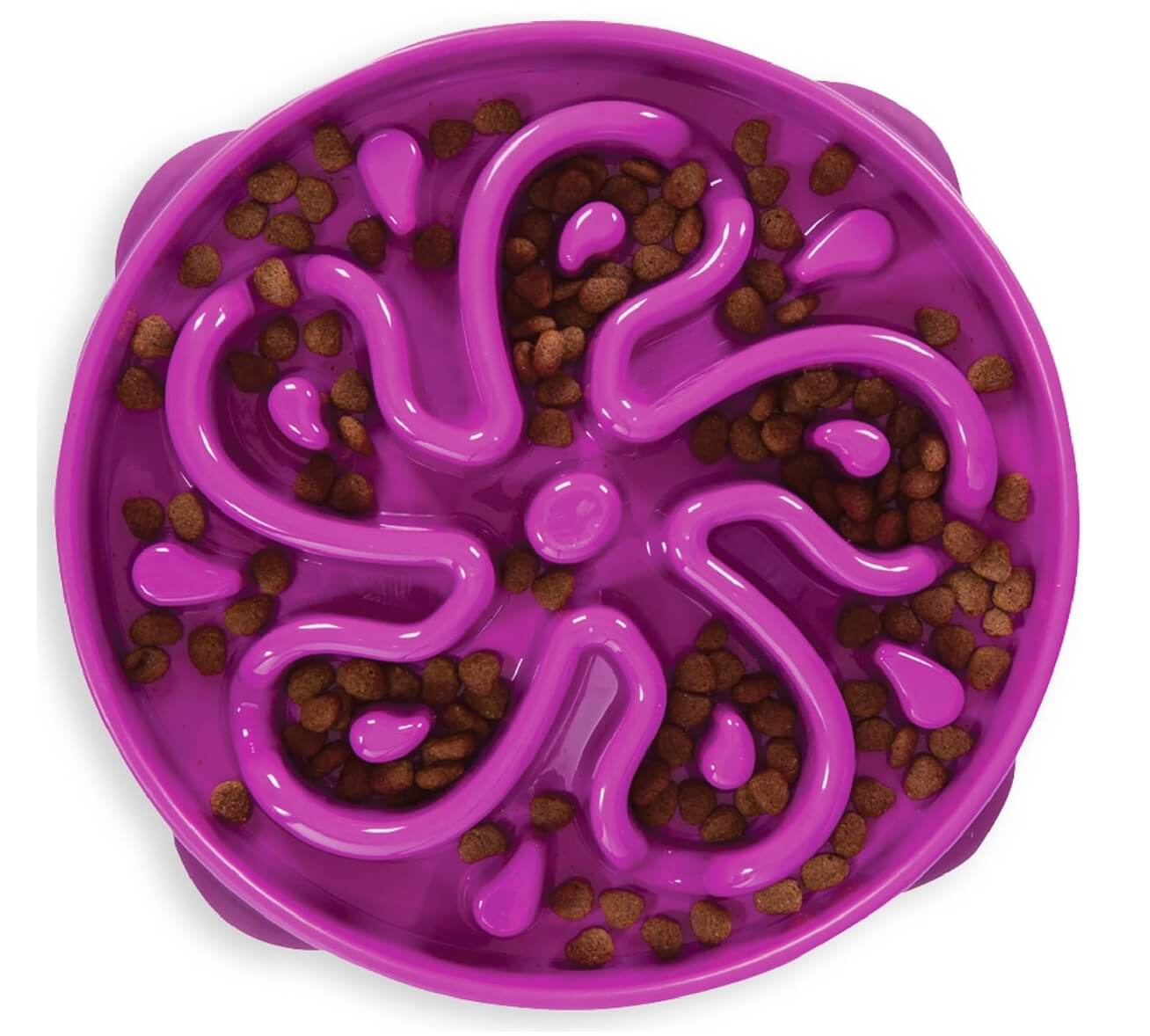
Outward Hound Fun Feeder Slo Bowl (Large, 4-Cup)
Slow feeder dog bowl that helps prevent fast eating, supports better digestion, and reduces risk of bloating.
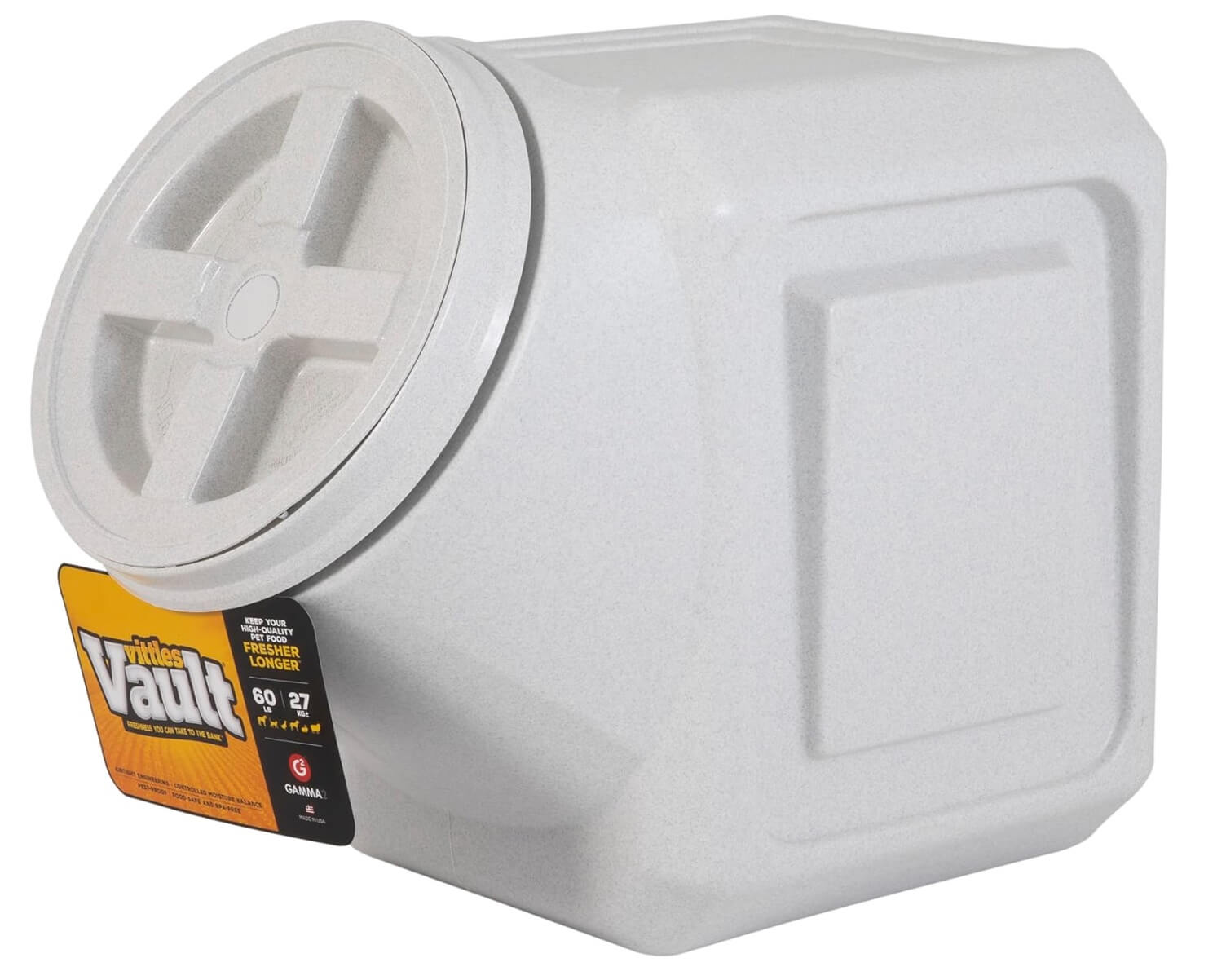
Gamma2 Vittles Vault Stackable Dog Food Storage Container
Airtight container that keeps dog food fresh, prevents moisture, and protects against pests.
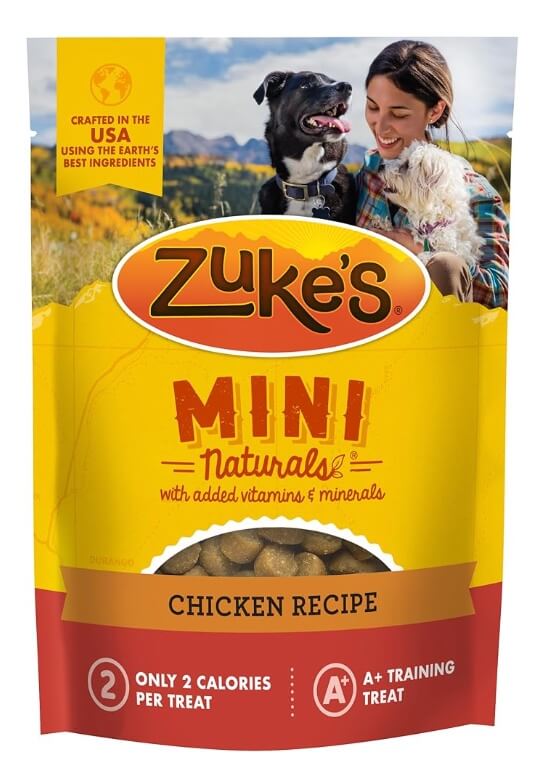
Zuke’s Mini Naturals Training Dog Treats
Small, soft training treats—useful when you want rewards without stacking as many calories as larger biscuits.
More feeding, bowl, and storage ideas are on our products page.
Get the Free Golden Retriever Cheat Sheet
If you’re even slightly unsure about portions, stop guessing. Signs you are feeding your golden retriever too much or too little often show up late—meanwhile many families are off by more scoops (or more treats) than they realize.
The Golden Retriever Owner Cheat Sheet is built for that moment: feeding by age, daily care, and quick-reference guidance you can save or print—so you’re not piecing together scattered notes or re-opening five tabs. It’s free, sent in your welcome email when you subscribe from the homepage, and pairs well with our feeding chart for deeper cup-by-age detail.
👉 Get the cheat sheet here — join on the homepage. If your Golden’s feeding has been more “close enough” than consistent, this gives you a much better starting point.
Related Reading
- 🐾Golden Retriever feeding chart (by age & weight)
- 🐾Golden Retriever feeding schedule guide
- 🐾Best dog food for Golden Retrievers
- 🐾Golden Retriever weight gain & obesity
- 🐾Golden Retriever bloat (GDV) — know the emergency signs
GoldenRetriever.hair provides educational content for dog owners. We are not veterinarians. For medical decisions, always consult your veterinarian.
P.S. Get the free Golden Retriever Owner Cheat Sheet — daily feeding, sleep, and care in one printable guide.
Get the Cheat Sheet when you join the newsletter — instant access in your welcome email.